

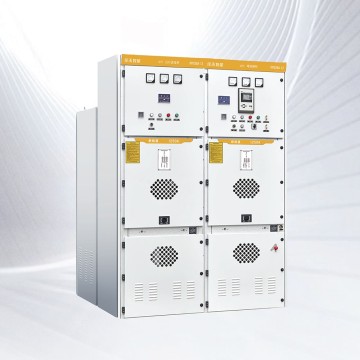
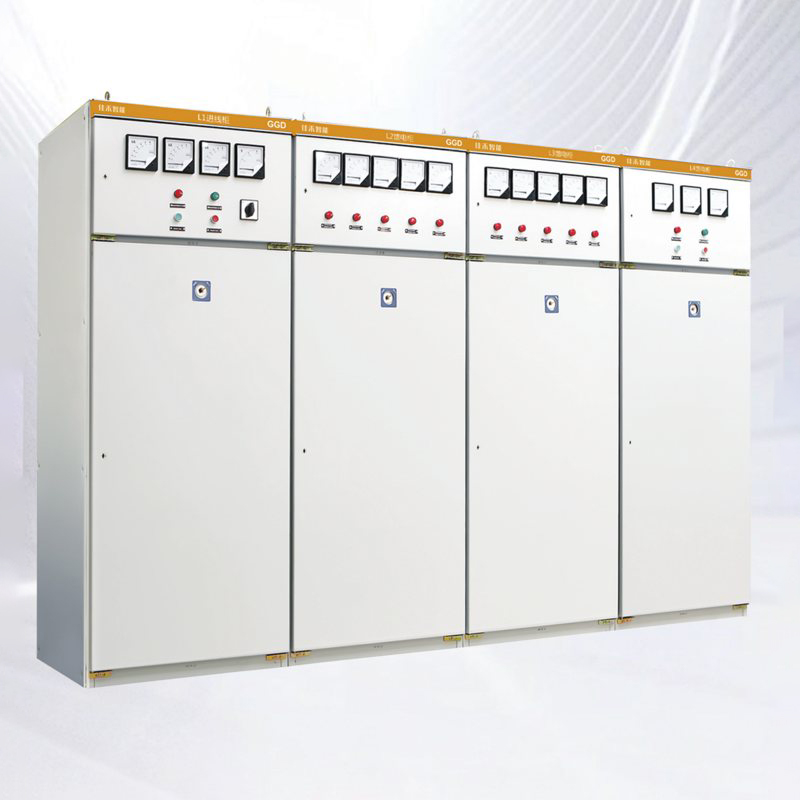
China Jiahe GGD Low Voltage Fixed Switchgear Cabinet - Trusted Suppliers & Reliable Factory Solutions

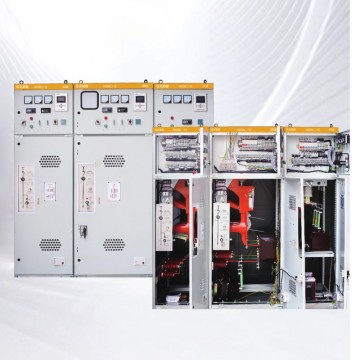
Rigid Stationary Architecture & High-Capacity Busbars
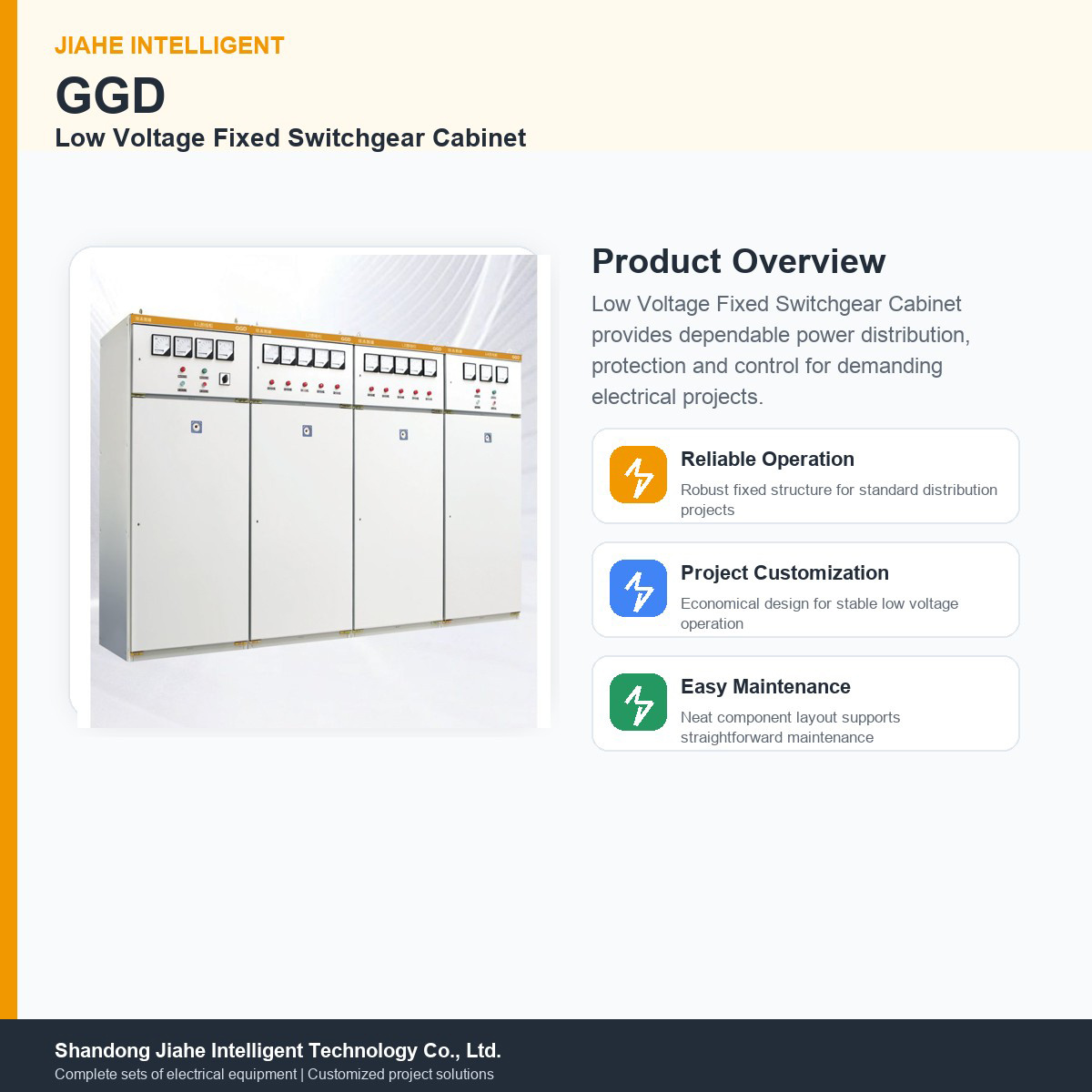

Tailored Breaking Capacities & Visual Isolation Interlocks
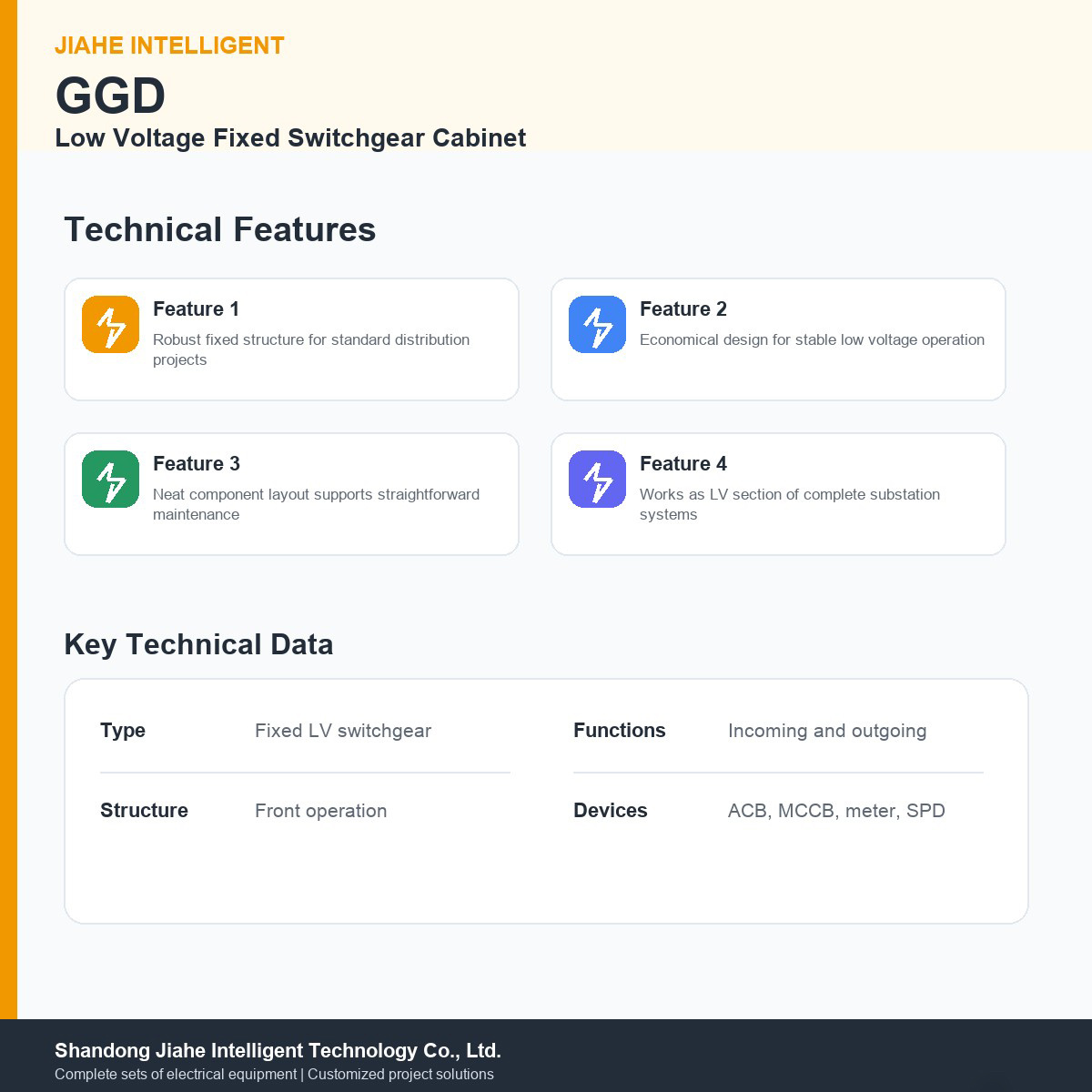

Cost-Effective Deployment for Heavy Infrastructure
Frequently Asked Questions
What makes the GGD series switchgear more reliable than modular systems?
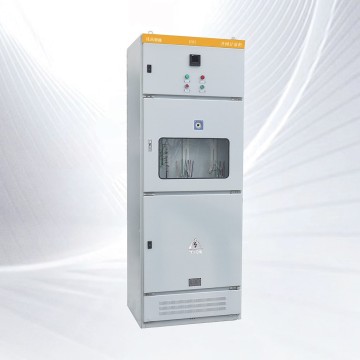
The GGD series uses a permanently fixed, heavy-gauge cold-rolled steel framework instead of sliding contacts. This stationary design completely eliminates moving mechanical parts, reducing vibration fatigue and mechanical wear to zero, which ensures extreme long-term reliability.
How does the GGD cabinet manage heat dissipation under heavy loads?
The cabinet features an exceptionally spacious interior cavity designed for oversized, high-purity exposed copper busbars. This layout maximizes natural thermal convection, preventing dangerous heat accumulation even during continuous, high-amperage operations.
What options are available for short-circuit breaking capacity?
The GGD cabinet offers three distinct, rigorously tested tiers of short-circuit breaking capabilities. The heavy-duty GGD3 variant is capable of scaling up to an impressive 50kA, allowing EPC contractors to optimize for specific project budgets and safety requirements.
What physical safety features are included for maintenance personnel?
It integrates high-visibility, manually operated knife-edge disconnectors. These switches provide a clear, physical visual confirmation that the main electrical circuit is completely severed and isolated before any servicing protocols begin.
What ingress protection (IP) ratings does the GGD enclosure provide?
The GGD cabinet maintains a strict IP30 or IP40 protection rating via its heavily louvered and ventilated enclosure, which effectively blocks solid objects from entering while ensuring sufficient ventilation for internal components.
Where is this fixed switchgear cabinet typically deployed?
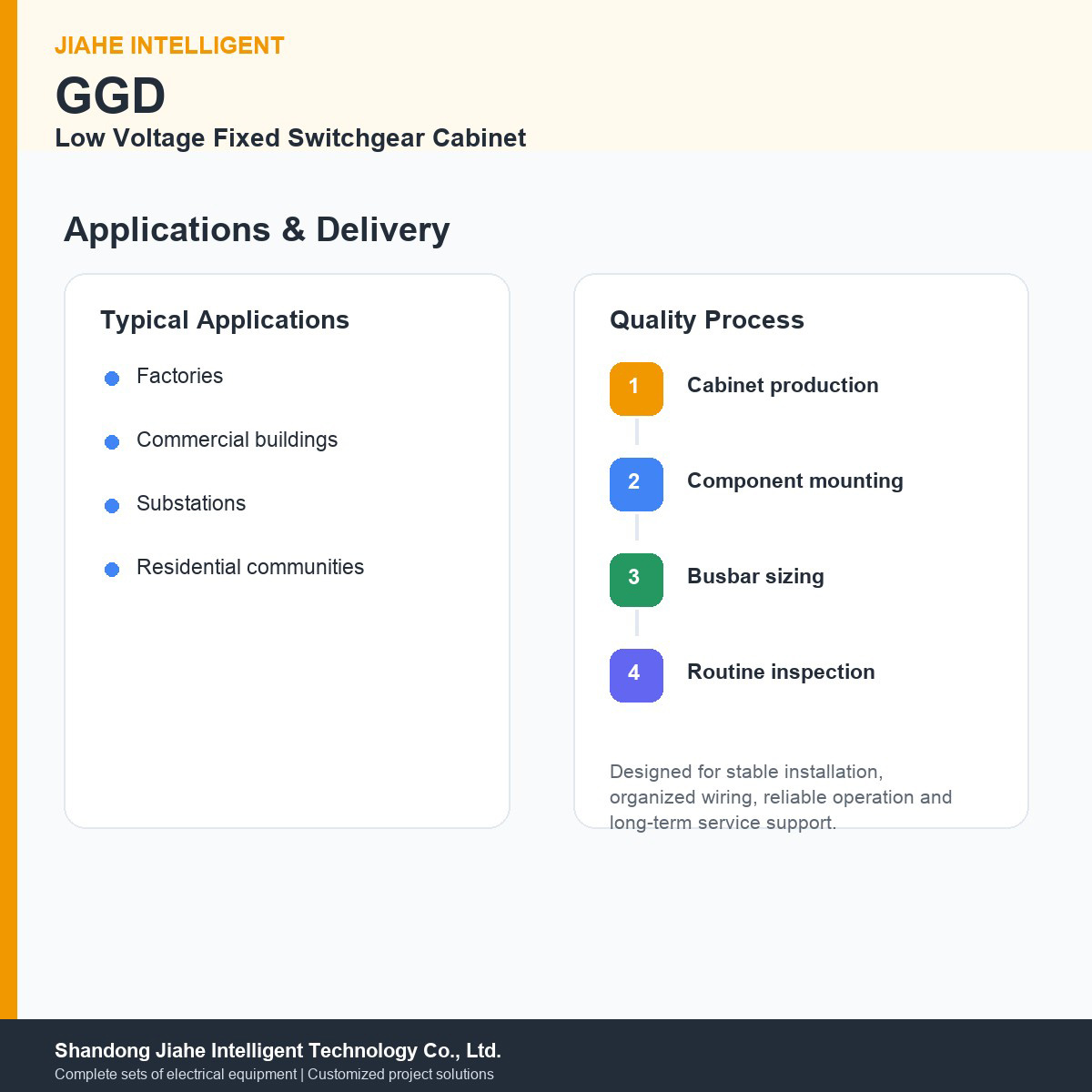
It is widely used in heavy power generation plants, metallurgical facilities, municipal step-down substations, and large-scale manufacturing workshops where raw power handling and budget optimization are preferred over modular convenience.