
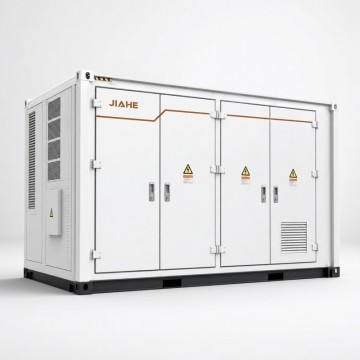
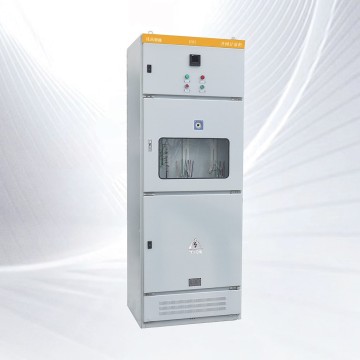
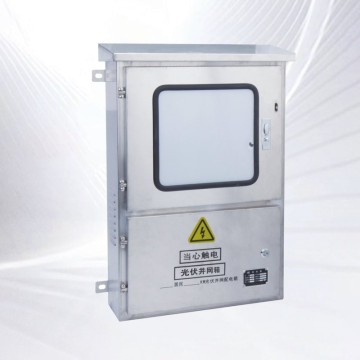
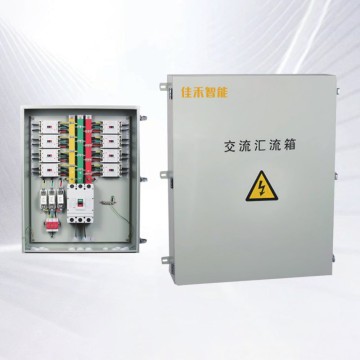

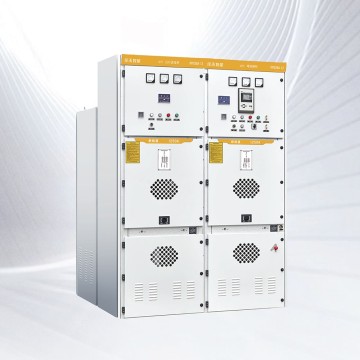
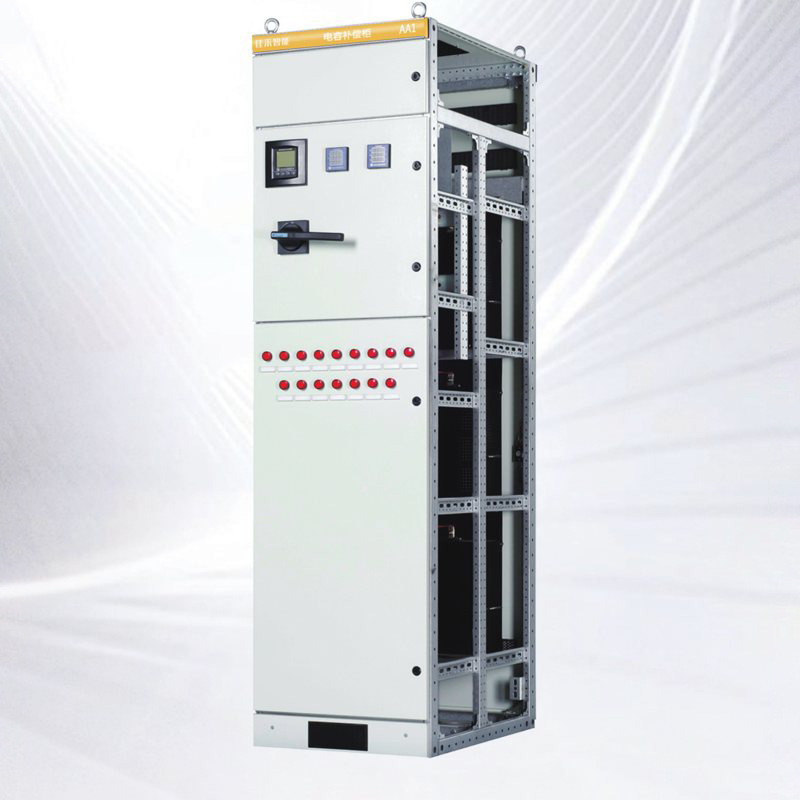
China Jiahe GGJ Reactive Power Compensation Control Cabinet - Reliable Solution from Top Suppliers for Factories

Stable Distribution Architecture & Practical Configuration
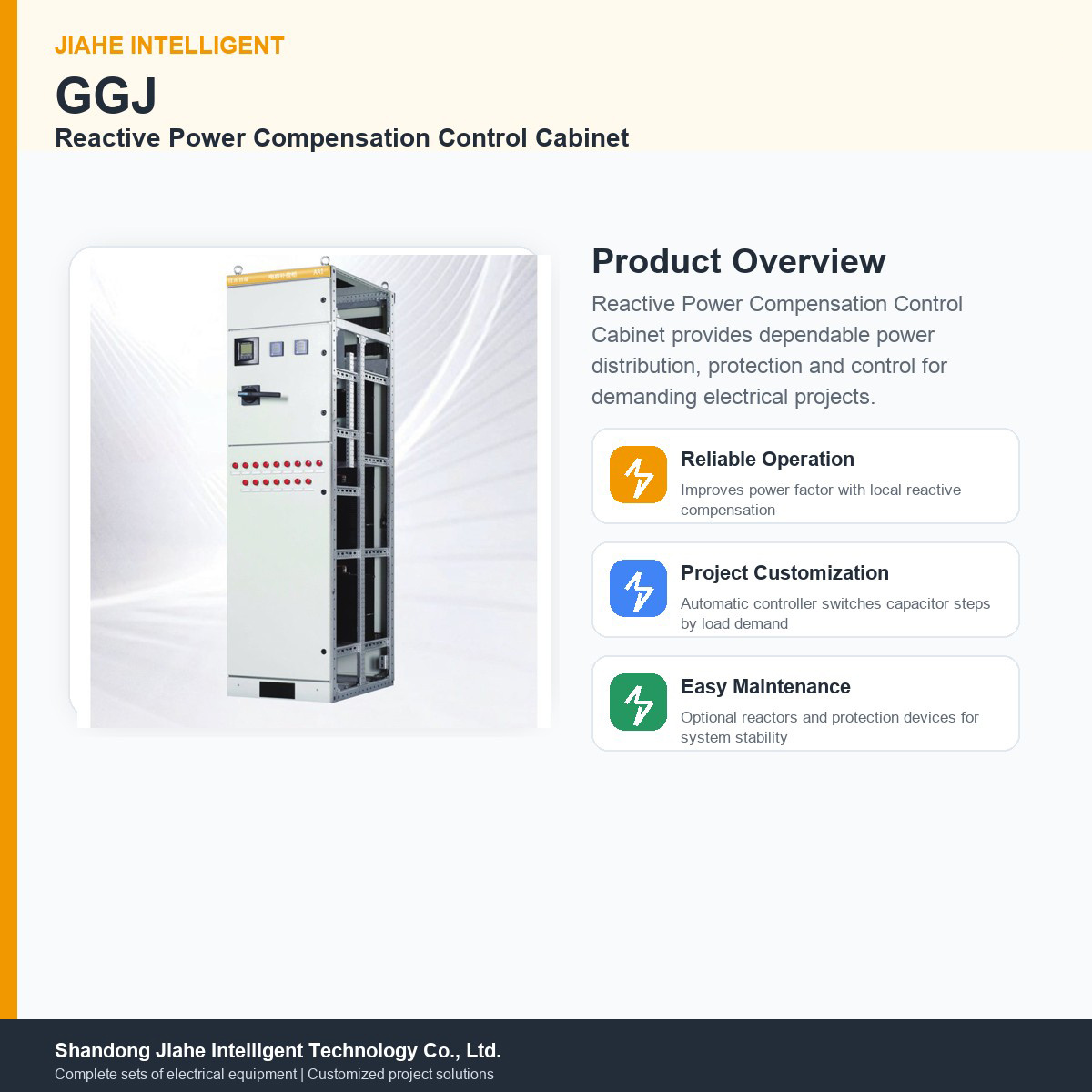

Reliable Protection & Efficient Maintenance
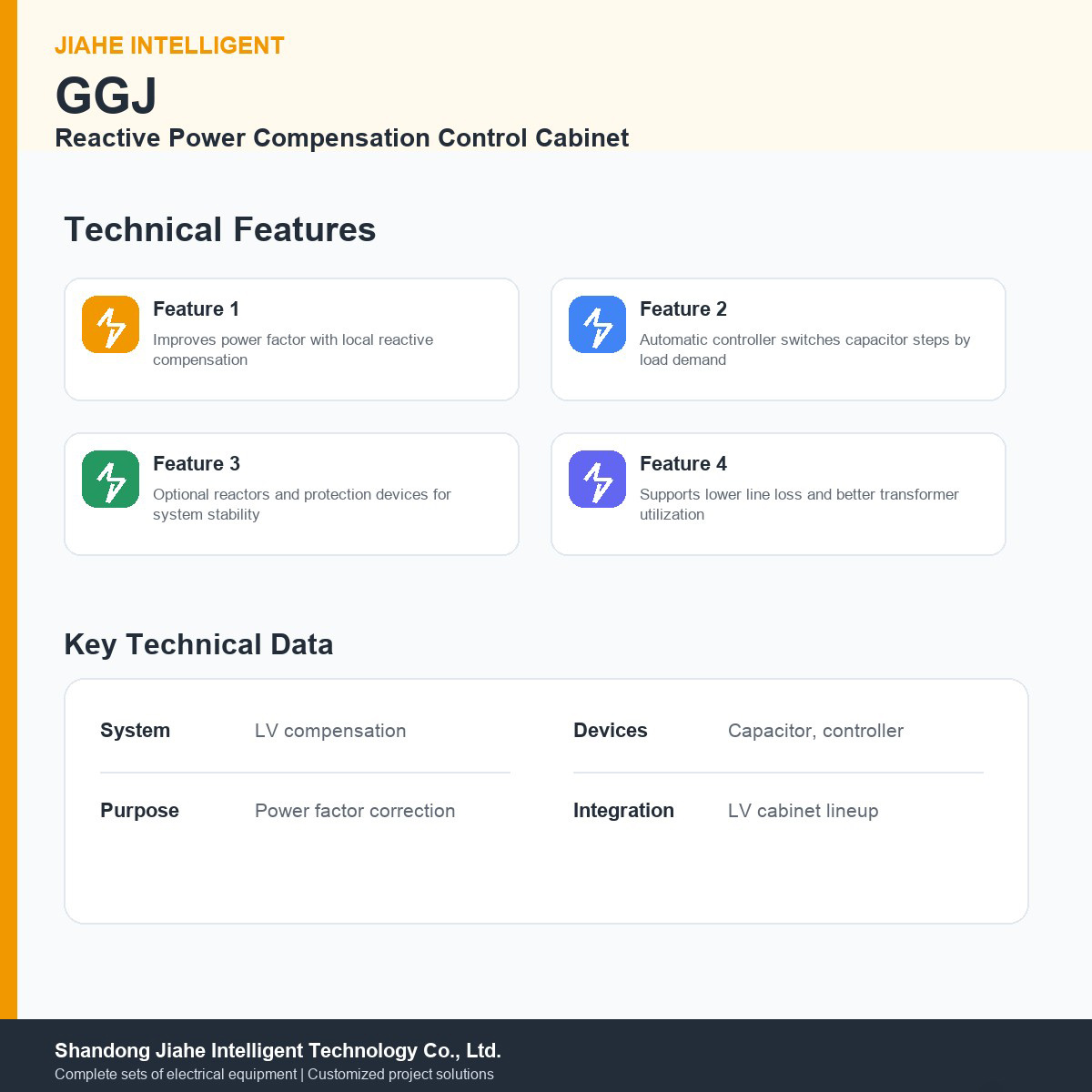

Broad Commercial and Industrial Application
Frequently Asked Questions
What components make up the GGJ reactive power compensation control cabinet?
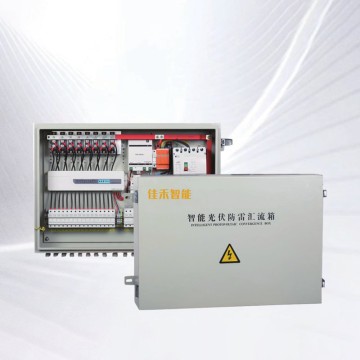
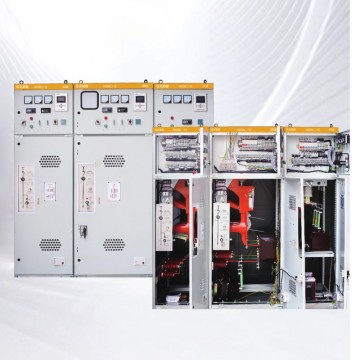
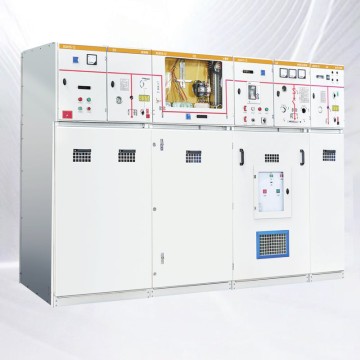
The GGJ cabinet integrates self-healing premium capacitor units, an advanced microprocessor-based compensation controller, high-cycle capacitive switching components, precision-tuned harmonic reactors, rapid-clearing fuses, heavy-duty main breakers, and a thermally optimized ventilated enclosure.
Can the GGJ cabinet support future power load expansions?
Yes. For expanding industrial projects, the modular configuration is designed to reserve physical rack space for future capacitor banks, pre-wire optional power-quality monitoring devices, or add modular compensation steps to accommodate organic system growth.
How does the cabinet ensure protection against electrical hazards?
It features a rigidly louvered enclosure, meticulously spaced busbar conductor arrangements, specialized zero-crossing switching devices, and highly sensitive electronic protection components to prevent dangerous harmonic resonance and manage internal thermal conditions.
What manufacturing tests and processes does the product undergo?
Jiahe implements exacting CNC cabinet fabrication, precision heavy component assembly, specialized heavy-duty busbar processing, exhaustive control wiring verification, and severe routine factory capacitor testing before shipment.
Where is this reactive power compensation cabinet typically applied?
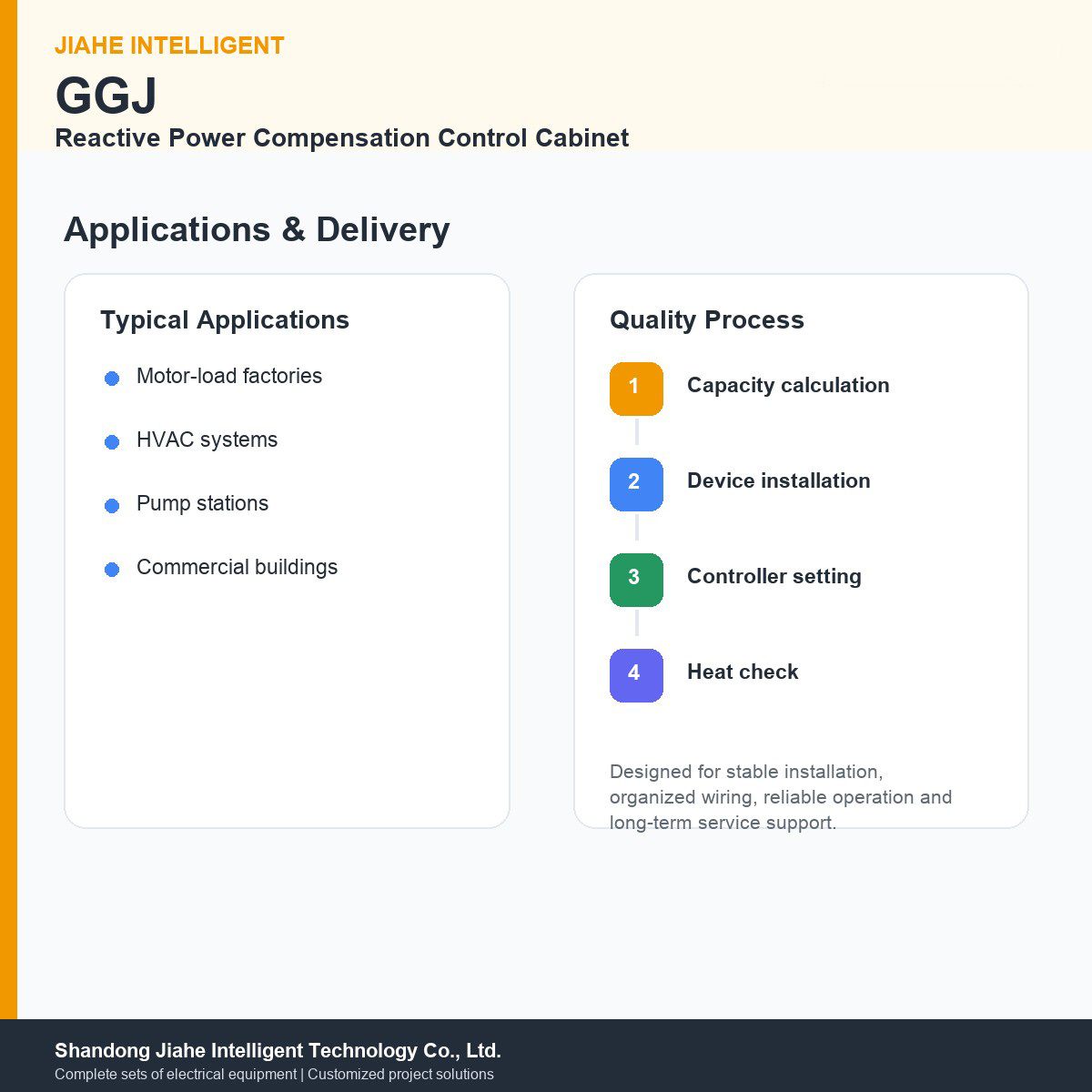
It is ideal for complex industrial automated factories, commercial facilities with massive chiller HVAC systems, municipal water pump stations, luxury high-rise buildings, and step-down transformer substations requiring a stable high power factor.
What customization options are available for the GGJ system?
The system offers high customizability, including adaptable ventilated enclosure sizes, targeted premium capacitor and reactor component selections, flexible cable entry directions, and specialized step-switching arrangements.