
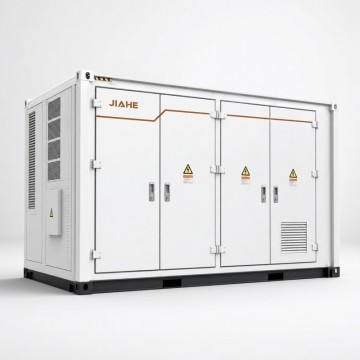
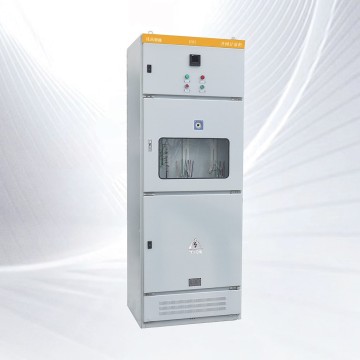
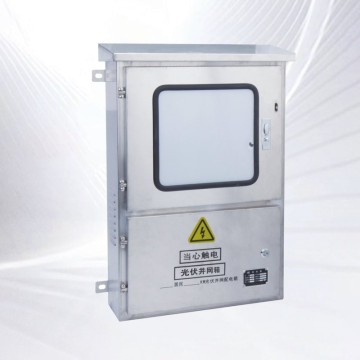
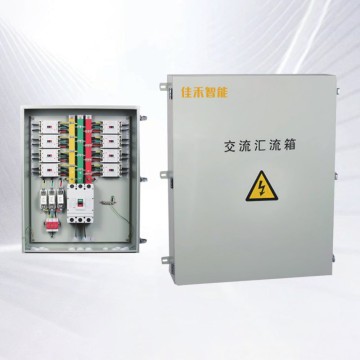
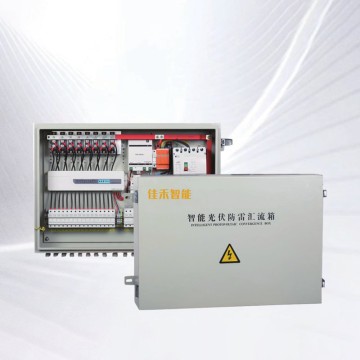
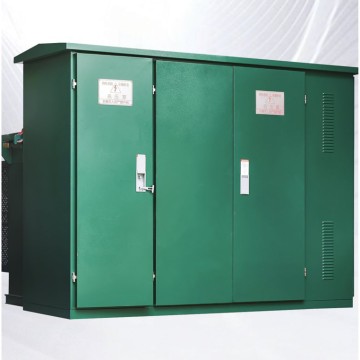

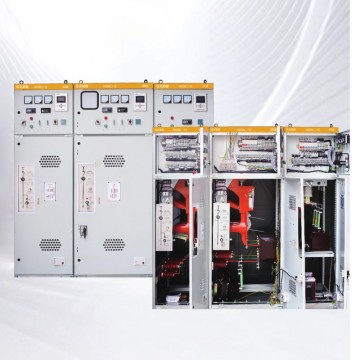
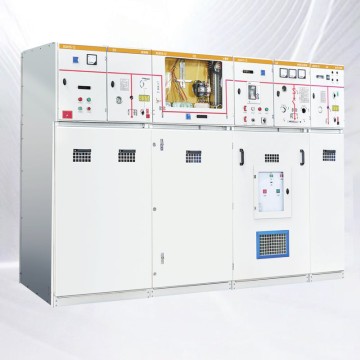
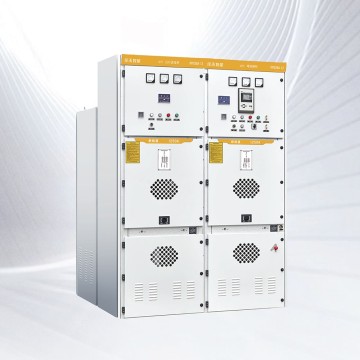
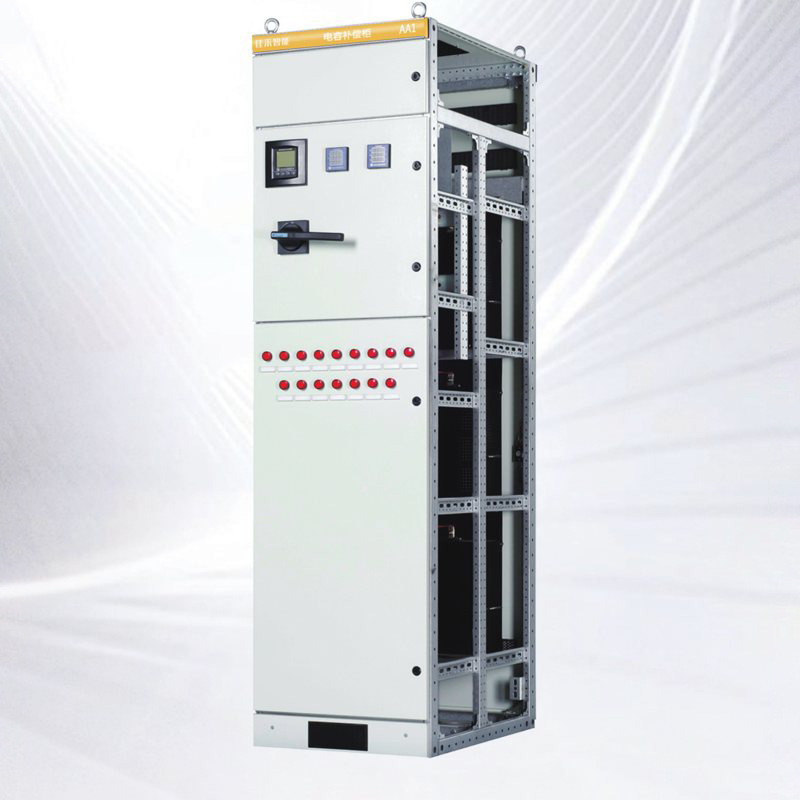
China Jiahe GGJ Reactive Power Compensation Control Cabinet - Top Suppliers for Factory Power Factor Solutions
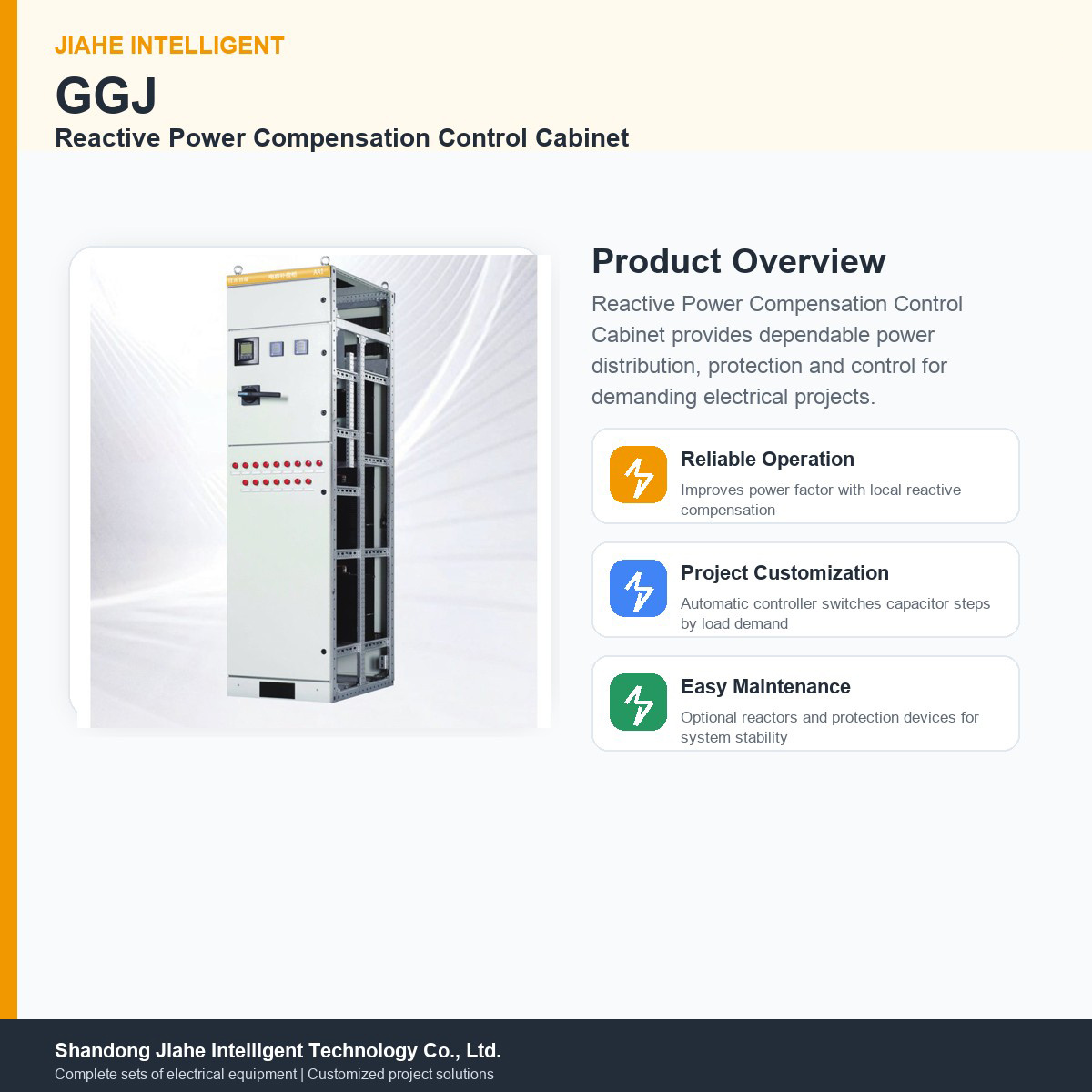

Stable Distribution Architecture & Practical Configuration
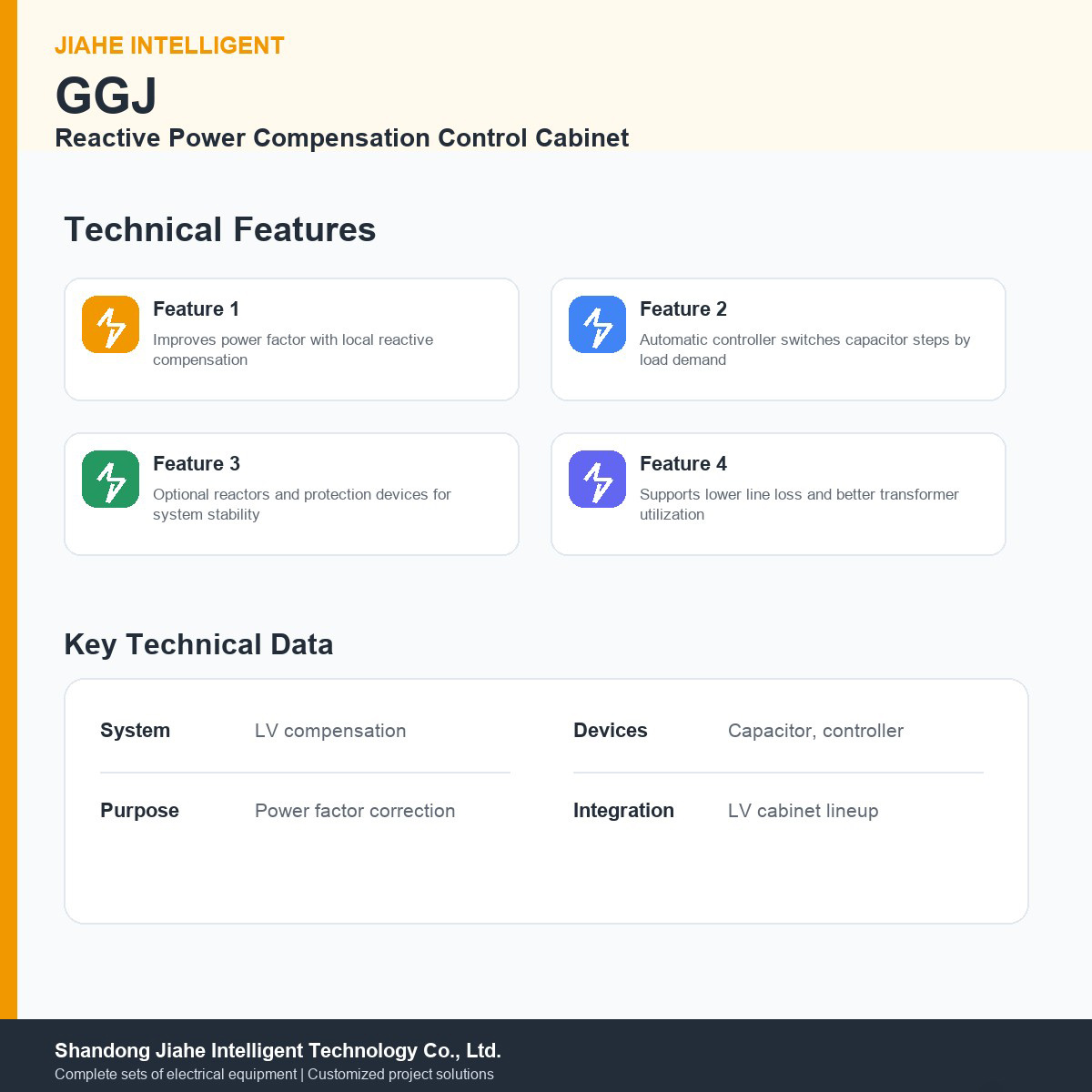

Reliable Protection & Efficient Maintenance

Broad Commercial and Industrial Application
Frequently Asked Questions
Q: What core components make up the GGJ reactive power compensation control cabinet?
The GGJ cabinet integrates self-healing premium capacitor units, an advanced microprocessor-based compensation controller, high-cycle capacitive switching components, precision-tuned harmonic reactors, rapid-clearing fuses, heavy-duty main breakers, and a thermally optimized ventilated enclosure.
Q: How does the GGJ cabinet ensure stable operation under heavy harmonic stress?
It utilizes a deeply optimized internal spatial layout that focuses on organized power cable routing, practical component access for capacitor replacement, and highly reliable high-current carrying performance designed to withstand severe harmonic stress.
Q: Can the GGJ system be expanded for future power capacity needs?
Yes, the modular configuration is designed to reserve physical rack space for future capacitor banks, pre-wire optional power-quality monitoring devices, or add modular compensation steps to accommodate future inductive load expansion.
Q: What safety and protection features are built into the cabinet?
The cabinet features a rigidly louvered enclosure, specialized zero-crossing switching devices, sensitive electronic protection components for thermal management, high mechanical fault-withstand strength, and robust electrical protection against harmonic resonance.
Q: Where is the GGJ reactive power compensation cabinet typically applied?
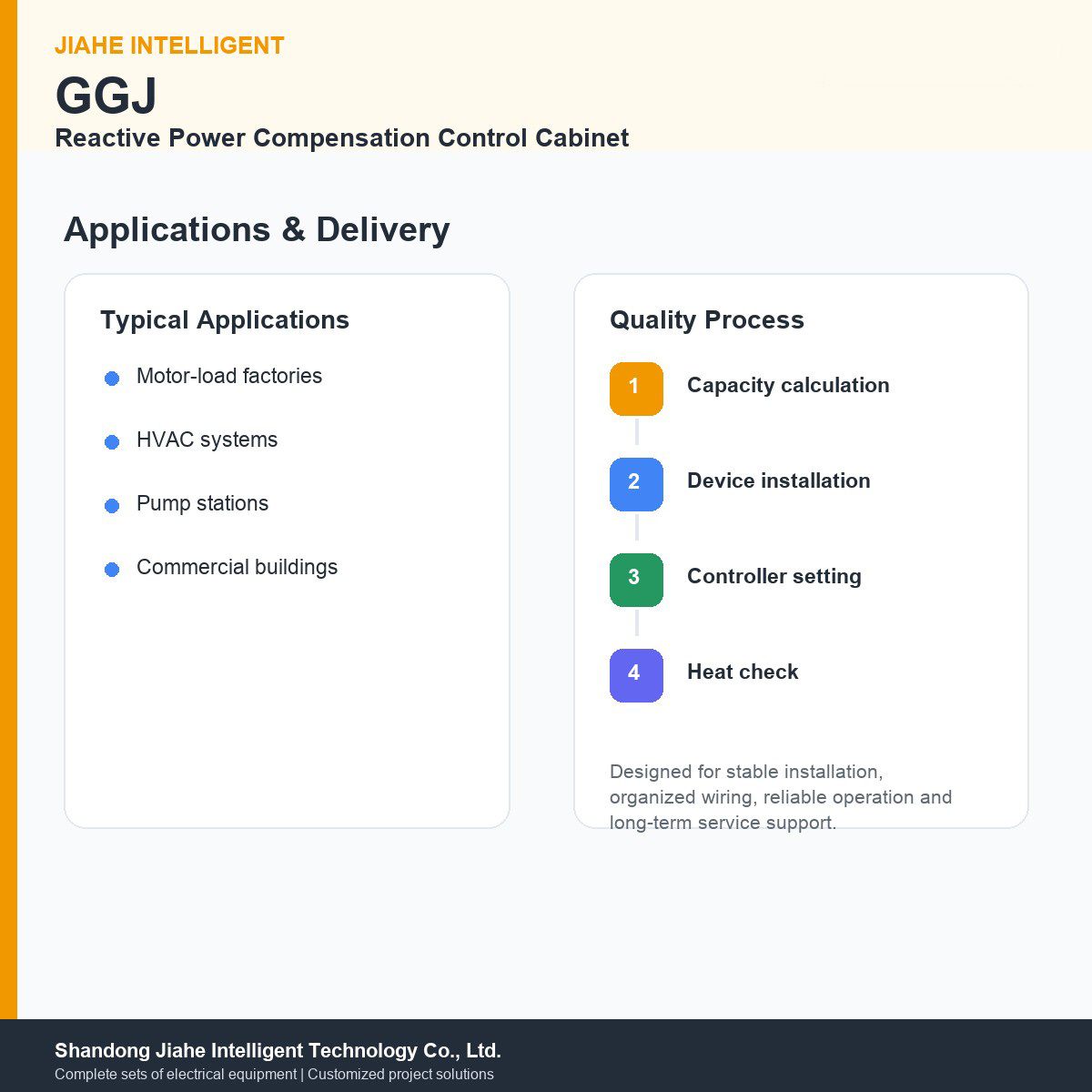
It is widely used in industrial automated factories with heavy motor loads, commercial facilities with massive HVAC chiller systems, municipal water pump stations, commercial high-rise buildings, and step-down transformer substations.
Q: How does the GGJ cabinet support maintenance and operational safety?
It includes a digital controller showing clear operating status, mechanically foolproof grounding arrangements, visible step-indication, and orderly control wiring to reduce operational risk during daily inspections and live maintenance checks.