

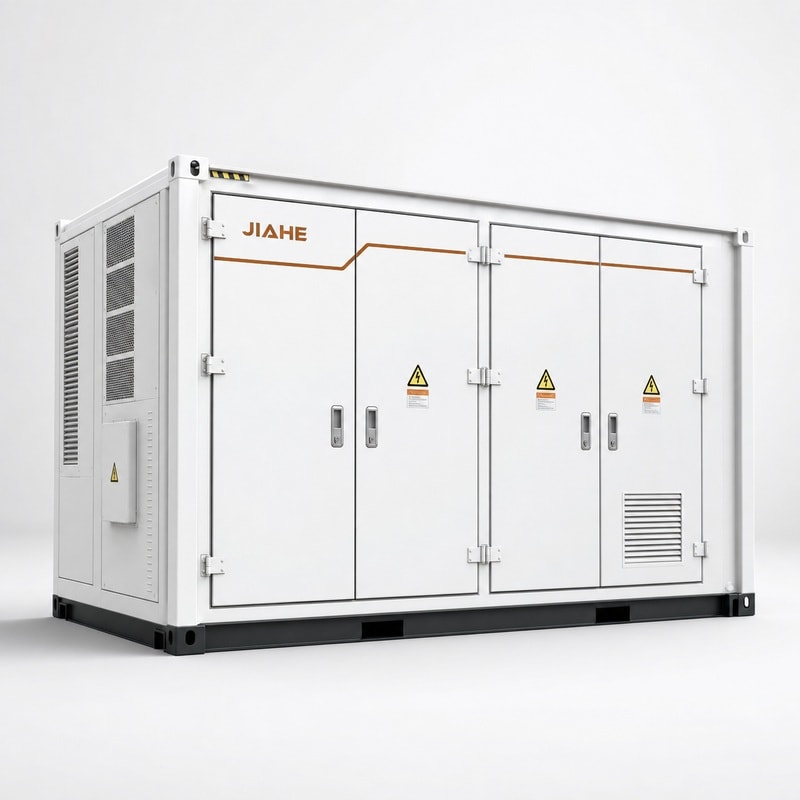
China Liquid-Cooled Containerized Energy Storage System - Reliable Suppliers and Factory Solutions for Renewable Energy
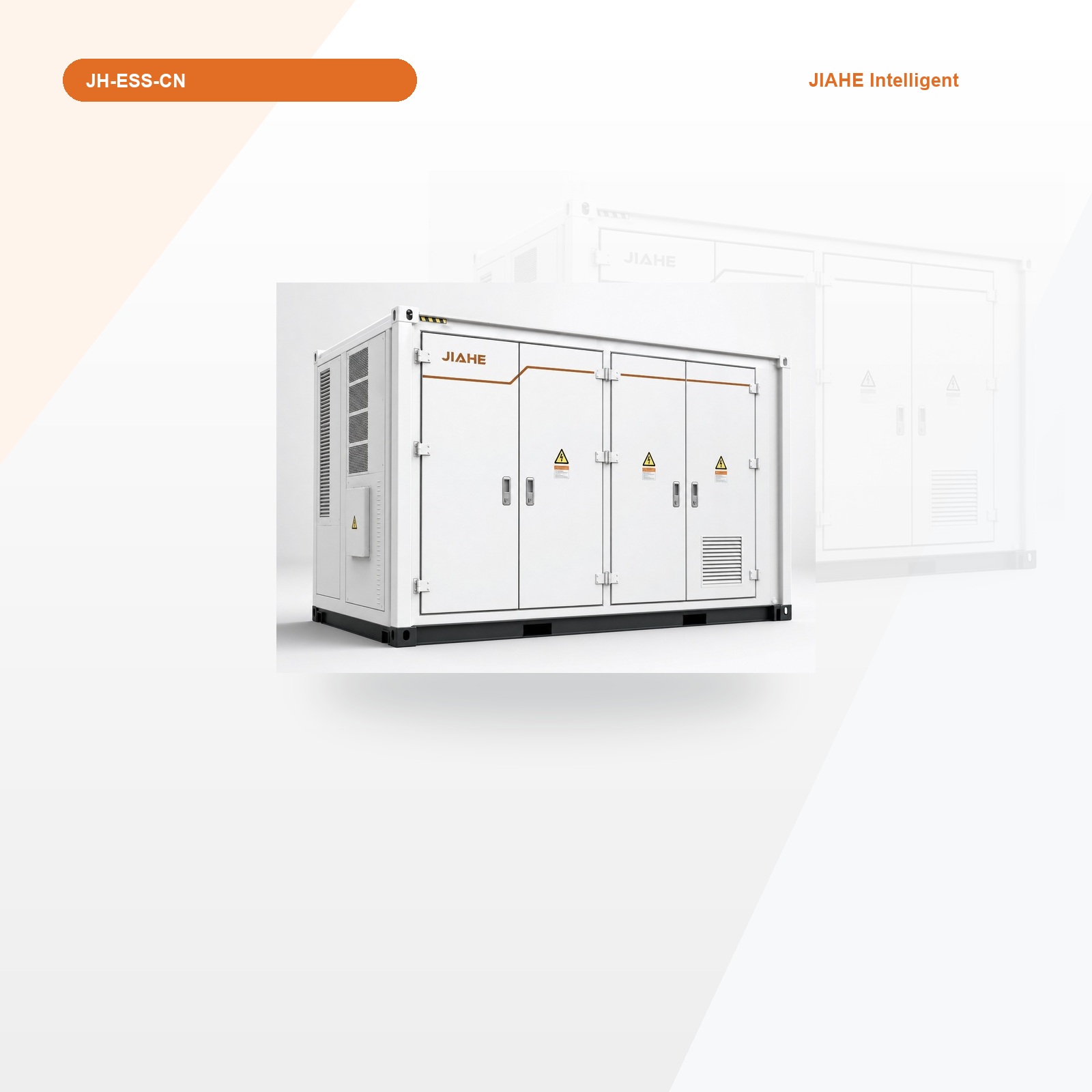

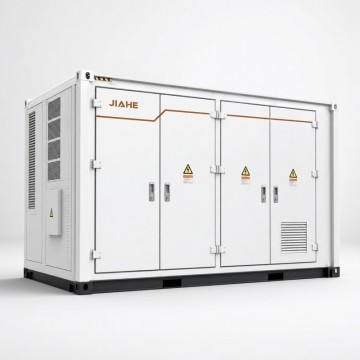
Liquid-Cooled Battery Architecture

Intelligent Energy Dispatch & Grid Support
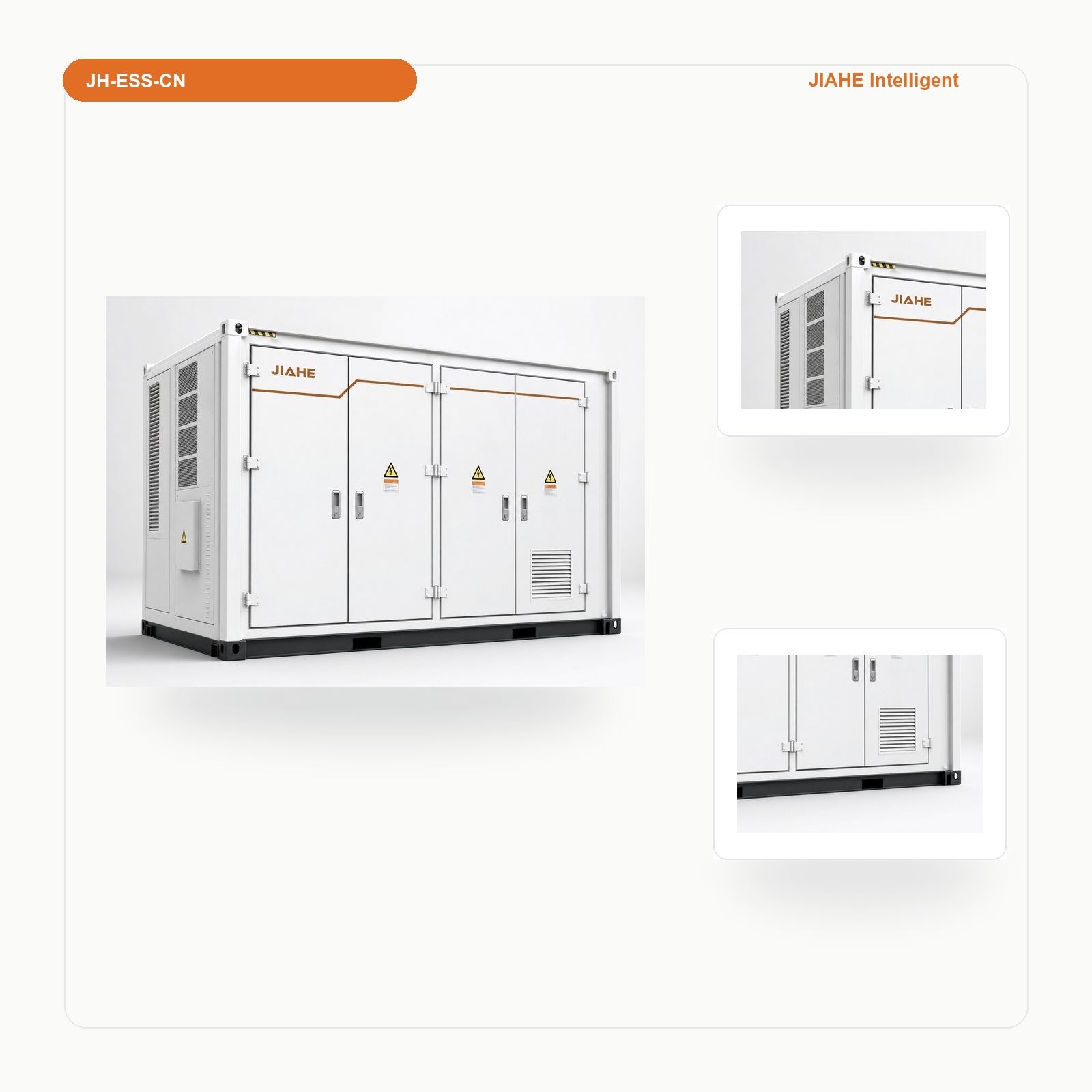
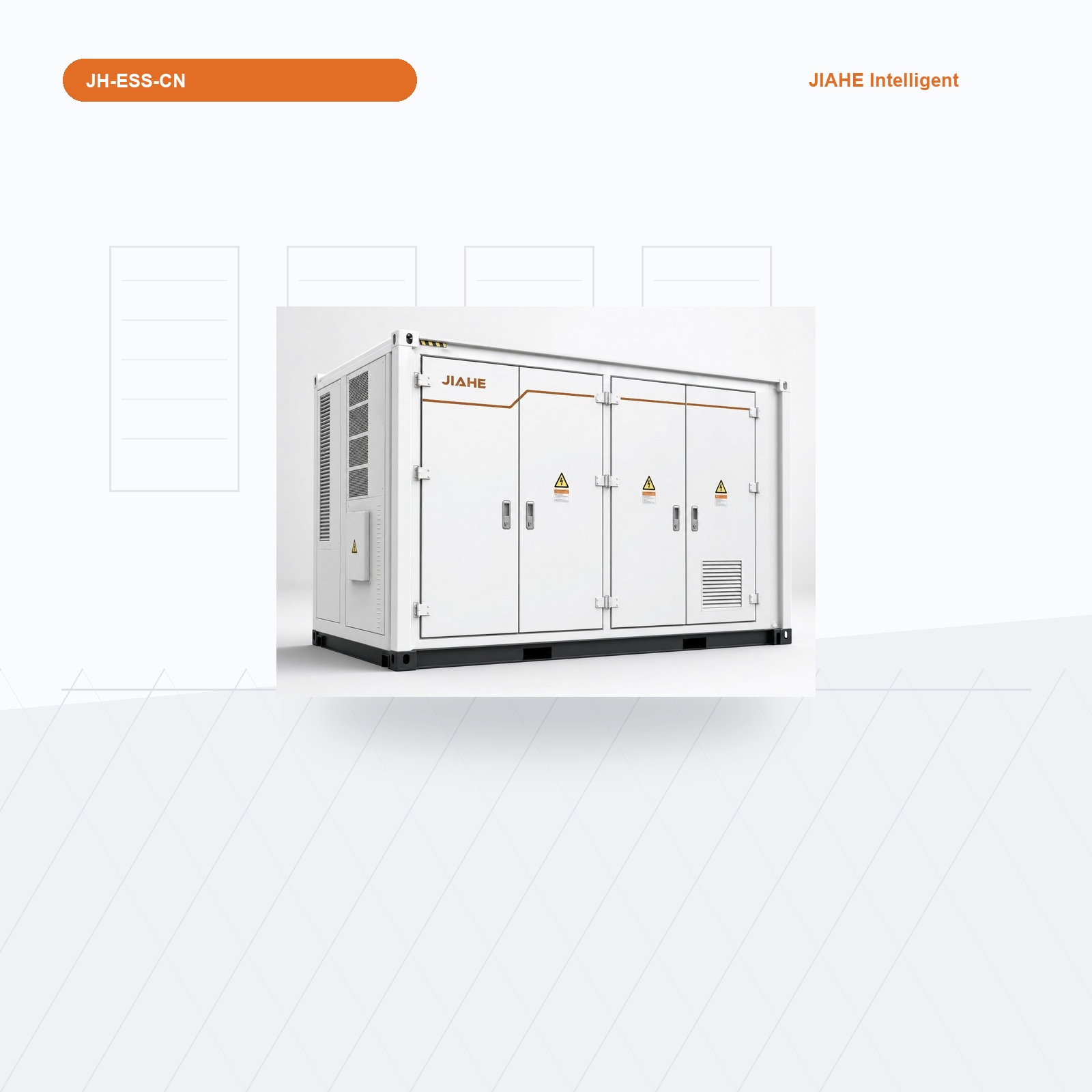

Multi-Layer Safety & Outdoor Reliability
Frequently Asked Questions
How does the liquid-cooled thermal management system improve battery performance?
The state-of-the-art liquid-cooling thermal management system rigorously maintains stable and uniform operating temperatures across all internal battery racks. This precise climate control drastically reduces internal thermal stress, improves round-trip charge-discharge efficiency, and supports an exceptionally long cycle service life.
What battery modules are used in this energy storage system?
The system utilizes premium Lithium Iron Phosphate (LFP) battery modules integrated within a highly advanced containerized layout for optimal safety and performance.
What role does the built-in Energy Management System (EMS) play?
The built-in EMS coordinates battery charging and high-speed discharging based on real-time grid commands, fluctuating renewable output, dynamic tariff periods, and site load demand. It supports peak shaving, valley filling, frequency regulation, maximum PV self-consumption, and backup power.
What safety features are integrated into the JH-ESS-CN system?
The system includes cell-level BMS monitoring, ultra-fast temperature and smoke detection, electrical breaker protection, emergency shutdown logic, an automated fire suppression interface, and explosion-proof ventilation or pressure relief designs to eliminate thermal runaway risks.
Is the containerized enclosure suitable for harsh outdoor environments?
Yes. The fortified containerized structure features premium anti-corrosion cabinet treatment, high IP-rated weather protection, and comprehensive remote digital monitoring, making it perfect for immediate deployment in demanding global outdoor environments.
Where can this containerized energy storage system be deployed?
It is an ideal turnkey solution for utility-scale renewable energy stations, grid-side stabilization projects, heavy manufacturing parks, zero-downtime hyperscale data centers, and remote, off-grid micro-grids.