




AI Workload Variability Reshapes Electrical Distribution Design
Dynamic Computing Loads Create New Distribution Challenges
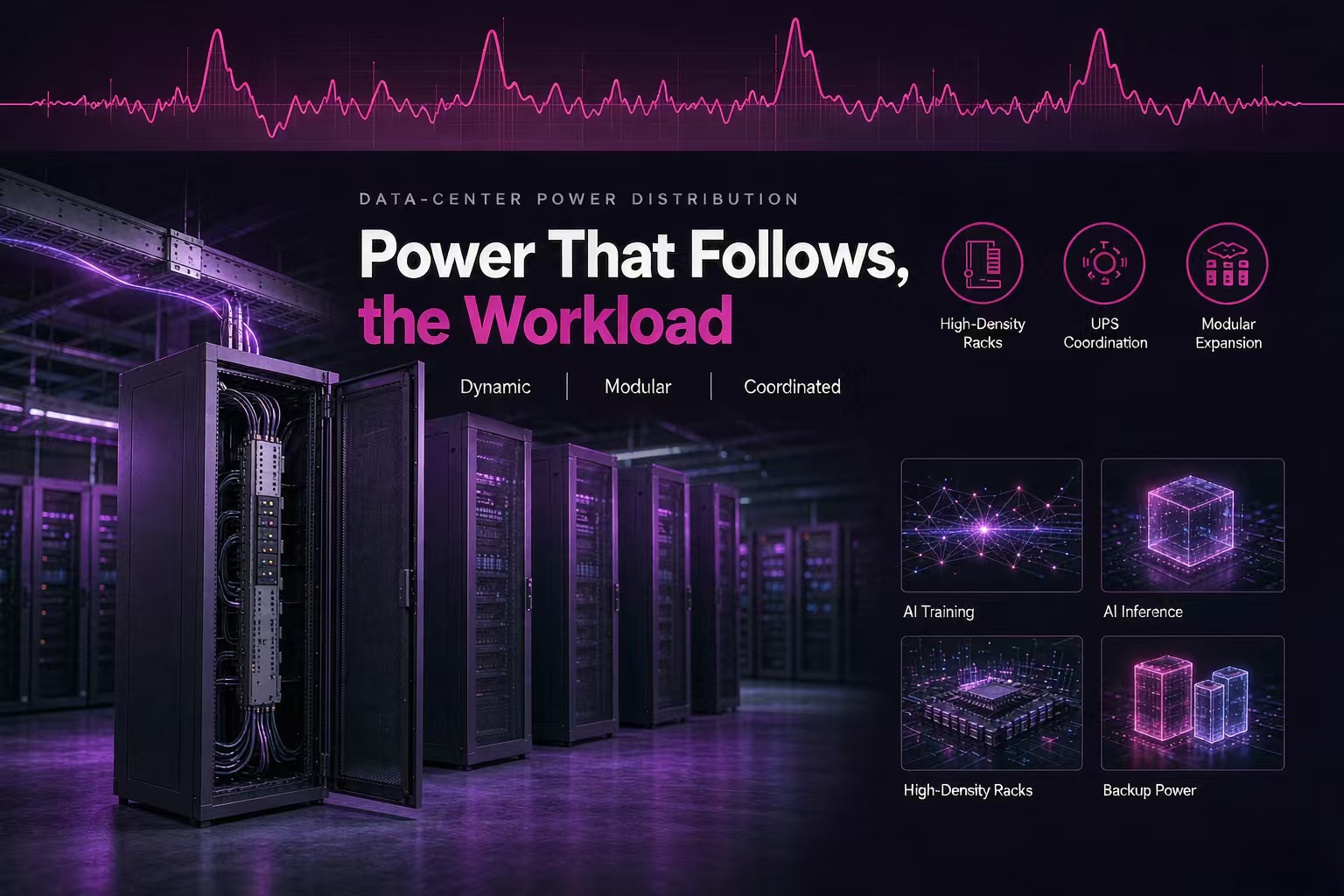
The rapid development of artificial intelligence is changing the operating characteristics of data-centre power systems. Unlike conventional computing facilities with relatively predictable electricity consumption, AI infrastructure can experience frequent load fluctuations as processors switch between intensive computation, data exchange and idle periods. These changes can occur within milliseconds, creating new challenges for power distribution, voltage stability and equipment coordination.
A 2026 research study published in Scientific Data collected more than 1.8 million power and computing measurements across 72 AI training sessions. Its findings show that power variations occur across multiple timescales, ranging from millisecond-level fluctuations to changes lasting several minutes.
Training and Inference Require Different Power Strategies
AI training and inference do not necessarily produce identical electrical load profiles. Training workloads involve intensive computing operations, GPU synchronization and repeated processing cycles, which can create substantial short-term power variations. Inference workloads are more closely influenced by incoming request volumes, response requirements and processing schedules, resulting in different patterns of demand.
A 2025 data-centre industry survey found that 27% of respondents operating AI training infrastructure reported average rack densities above 50 kW, compared with 17% for AI inference infrastructure. This difference highlights why power distribution designs increasingly need to reflect actual workload characteristics rather than rely on a uniform rack-capacity assumption.
High-Density Racks Reshape Circuit and Protection Design
Increasing rack power density places additional pressure on branch circuits, busbars, feeders and protective devices. Electrical designers need to assess continuous current capacity, transient loading, short-circuit ratings and protection coordination together. Poorly matched protection settings or insufficient distribution capacity can create unnecessary trips and affect critical computing operations.
Rapid load changes also make power-quality management more important. Voltage fluctuations, harmonic distortion and changes in power factor may affect sensitive electronic equipment, particularly where multiple high-power computing racks operate simultaneously.
Backup Systems and Energy Storage Improve Load Coordination
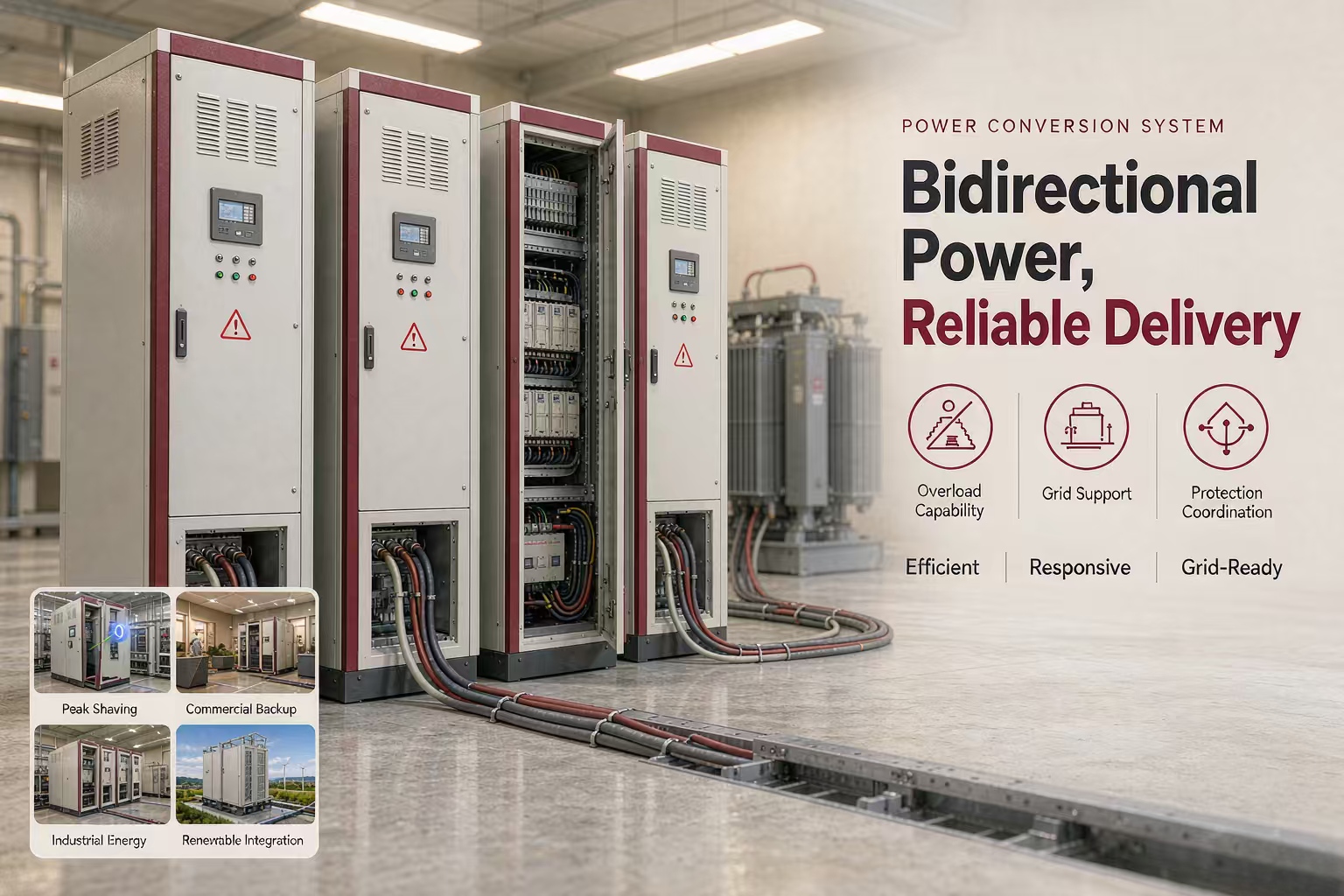
UPS systems and battery storage can help bridge short-duration power variations and maintain continuity during supply disturbances. However, their capacity and control strategies must match the actual fluctuation profile. Coordination between UPS equipment, battery systems, generators and upstream distribution networks is therefore an important part of electrical design.
Existing Infrastructure Needs More Flexible Expansion
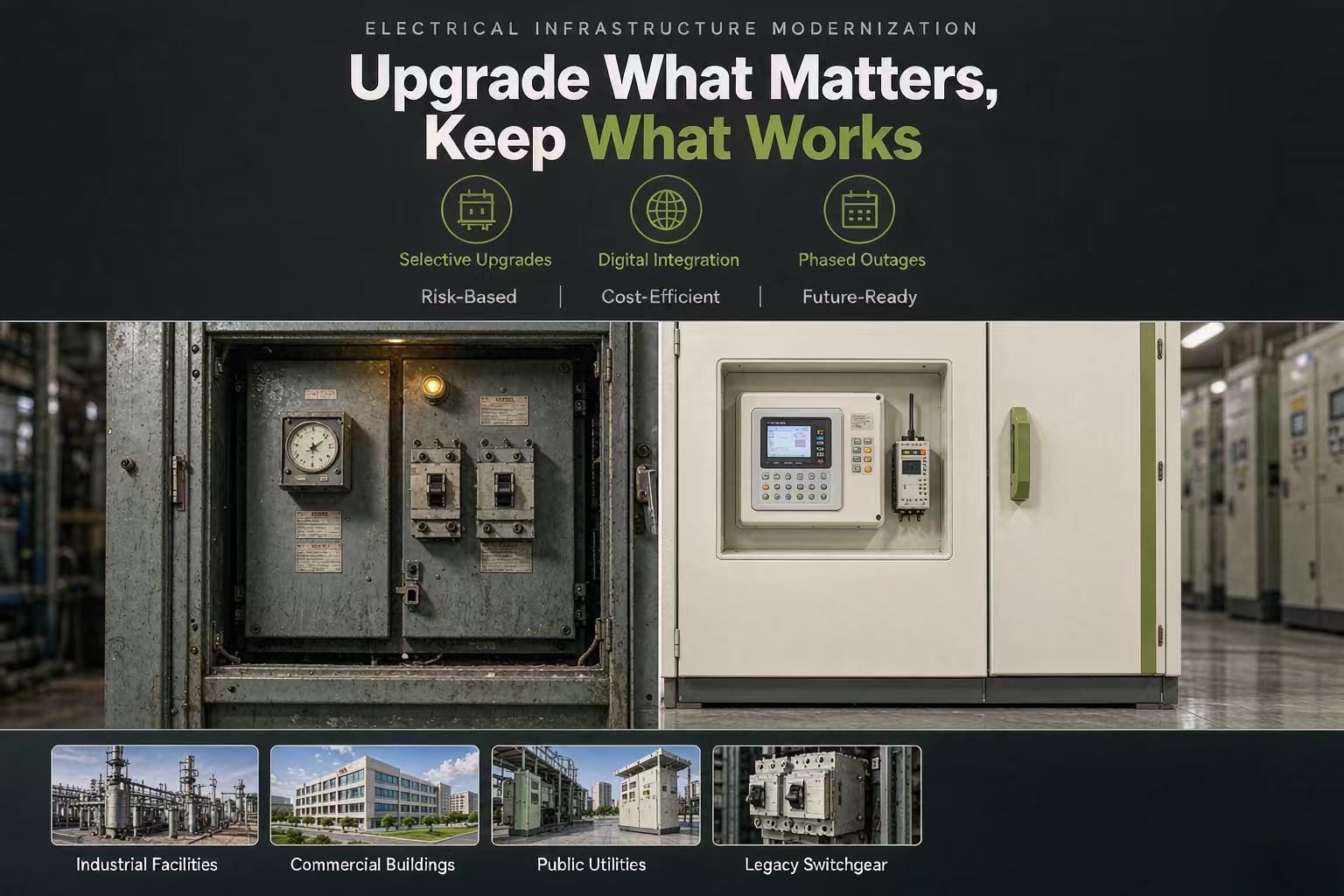
Large-scale reconstruction is not always the only way to accommodate growing AI workloads. Modular distribution units, additional branch circuits, intelligent load monitoring and adjustable power limits can help improve the use of existing electrical capacity. New equipment can also be introduced in stages according to rack deployment schedules.
The development of AI infrastructure is consequently changing electrical engineering priorities. Future distribution systems will need to address not only how much power computing facilities consume, but also how quickly that demand changes. Load forecasting, dynamic protection coordination and flexible power delivery are becoming essential considerations for modern data-centre design.