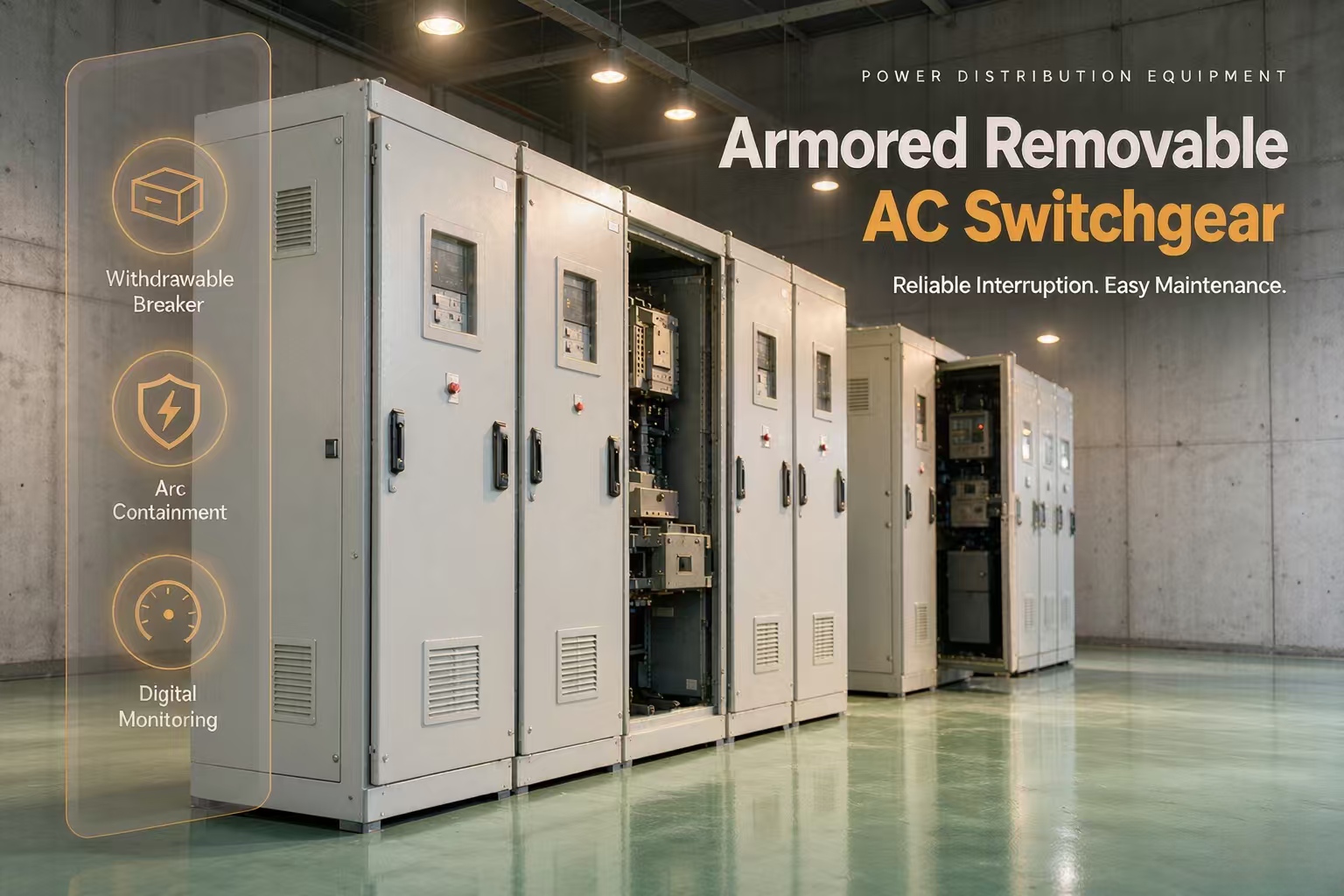



Armored Removable AC Switchgear Cabinet Gains Relevance in Modern Power Distribution
Reliability Requirements Are Becoming More Application-Specific
Modern power networks are serving a wider mix of industrial loads, commercial facilities, transport systems and data-intensive infrastructure. At the same time, grid connection queues remain substantial: the International Energy Agency estimates that more than 2,500 GW of renewable, storage and large-load projects are currently awaiting grid connections worldwide. This situation is increasing attention on switchgear that can combine reliable interruption, defined compartmentalization and practical maintenance procedures.
The Armored Removable AC Switchgear Cabinet is one configuration being considered where operational continuity and maintainability are important.
Withdrawable Construction Changes Maintenance Procedures
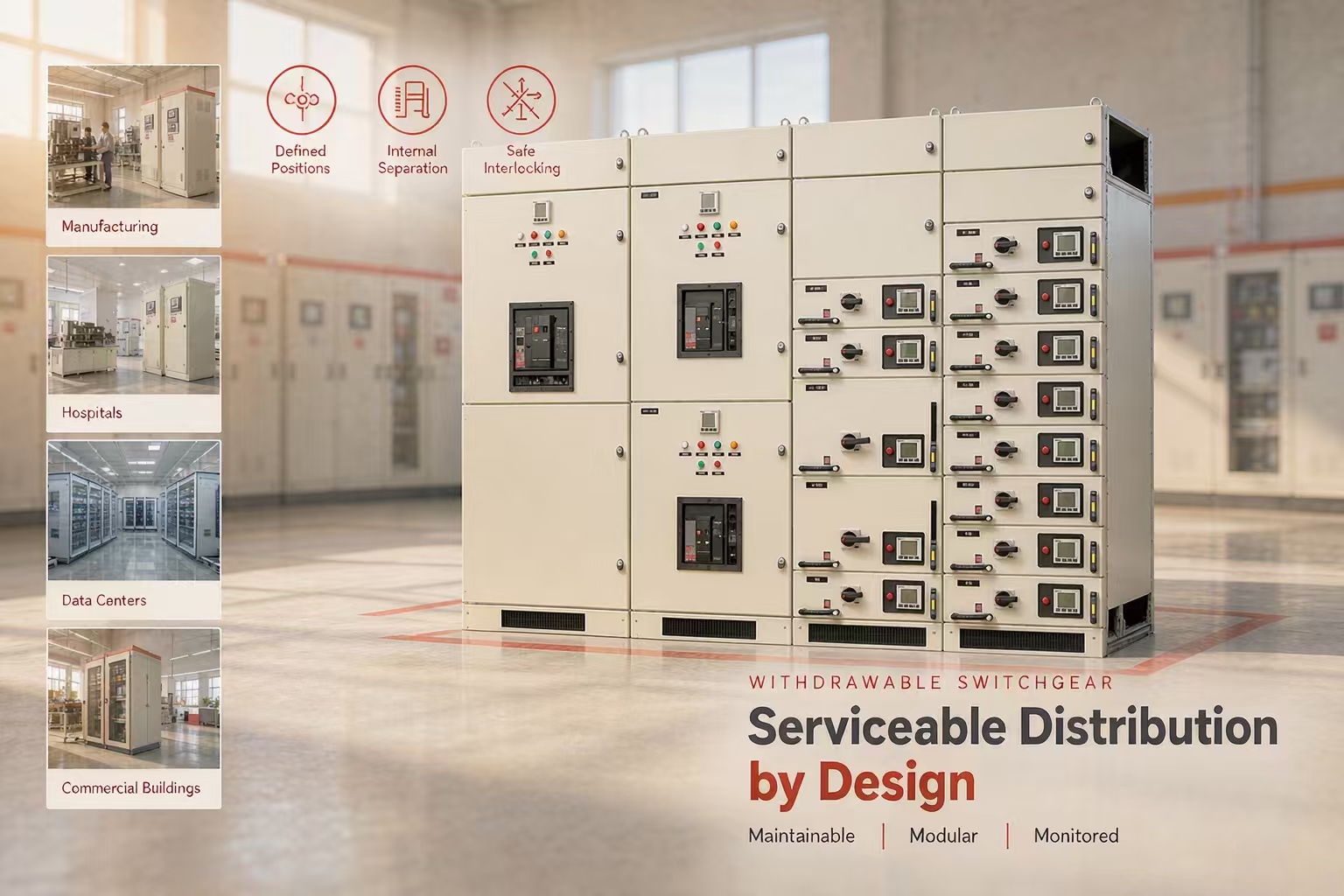
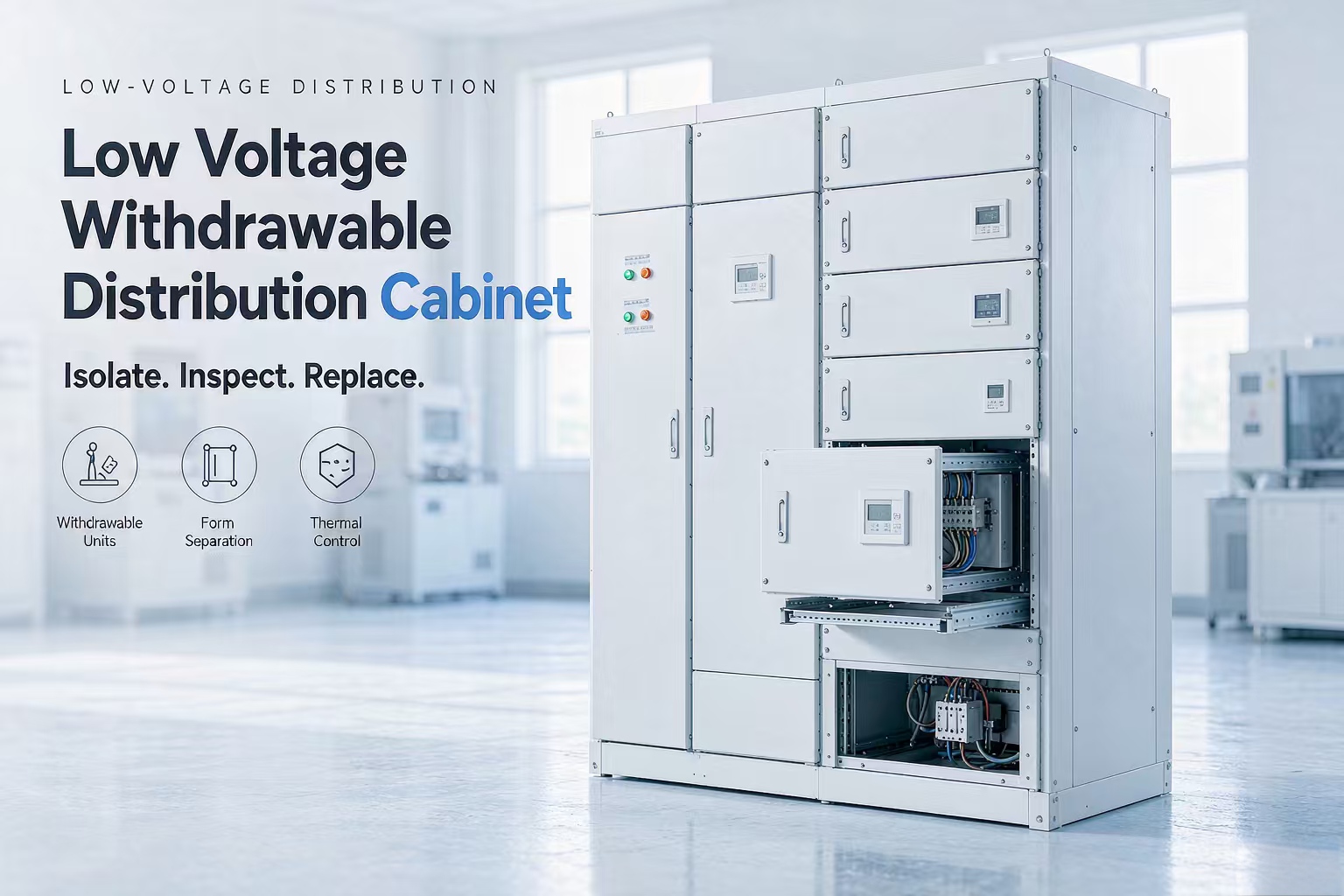
A key feature of removable switchgear is the ability to move the circuit-breaker functional unit between defined service positions. This allows inspection, testing and replacement to be organized separately from normal energized operation. For factories with continuous production, transport substations and critical commercial facilities, this arrangement can provide a more structured approach to planned maintenance.
IEC 62271-200:2021+A1:2024 applies to prefabricated metal-enclosed AC switchgear and controlgear for rated voltages above 1 kV and up to and including 52 kV, for both indoor and outdoor installations. The standard also addresses internal arc testing, mechanical interlocking and service-continuity classifications.
Protection Architecture Influences Equipment Selection
Selection should extend beyond the withdrawable mechanism itself. Designers increasingly assess partitioning between functional compartments, earthing arrangements, interlocking logic, insulation level, short-circuit withstand and internal-arc performance as a combined system.
IEC 62271-200 has introduced more precise descriptions of the LSC service-continuity category and updated requirements for internal-arc testing. These provisions are relevant when equipment is installed in facilities where a fault in one section must be contained as far as practicable.
Cabinet Dimensions Must Match Site Conditions
Physical layout is another practical consideration. Cabinet width, depth and height depend on voltage level, current rating, breaker dimensions, cable-entry arrangements and the required functional compartments. Designers also need to reserve adequate operating and maintenance space around the equipment.
For indoor substations, compact layouts can help use floor area efficiently, while outdoor installations may place greater emphasis on enclosure protection and environmental performance. The final dimensions therefore need to be established from the electrical configuration rather than selected independently from the application.
Digital Monitoring Adds Operational Visibility
The development of modern switchgear is also moving toward condition-based operation. Temperature sensors, mechanical-position monitoring and other data-acquisition functions can provide operators with information on equipment status and support maintenance planning.
As grid infrastructure expands and connection projects become increasingly diverse, the Armored Removable AC Switchgear Cabinet is being evaluated not simply as a switching assembly, but as part of a broader reliability strategy. Its suitability ultimately depends on voltage level, fault conditions, space constraints, maintenance practices and the operating environment of each installation.