Box Substations Expand into Diverse Power Distribution Applications
Compact Power Transformation for Modern Facilities
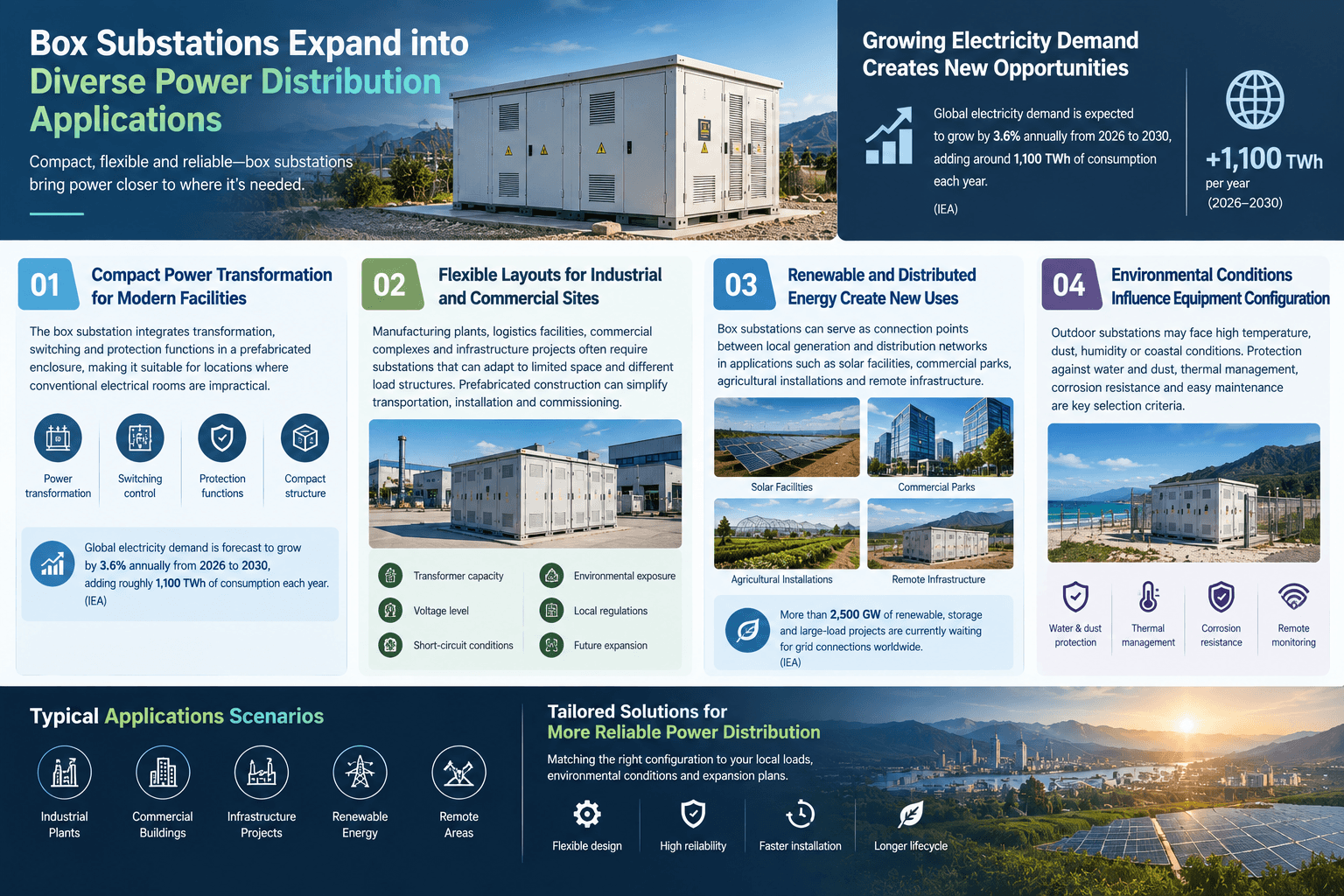
As electricity networks become more distributed, compact power-conversion solutions are gaining attention across industrial, commercial and infrastructure applications. The Box Substation integrates key transformation, switching and protection functions within a prefabricated enclosure, allowing installation in locations where conventional electrical rooms may be impractical. This approach is particularly relevant as global electricity demand continues to rise. The International Energy Agency forecasts average annual electricity-demand growth of 3.6% from 2026 to 2030, adding roughly 1,100 TWh of consumption each year.
Industrial and Commercial Sites Seek Flexible Layouts
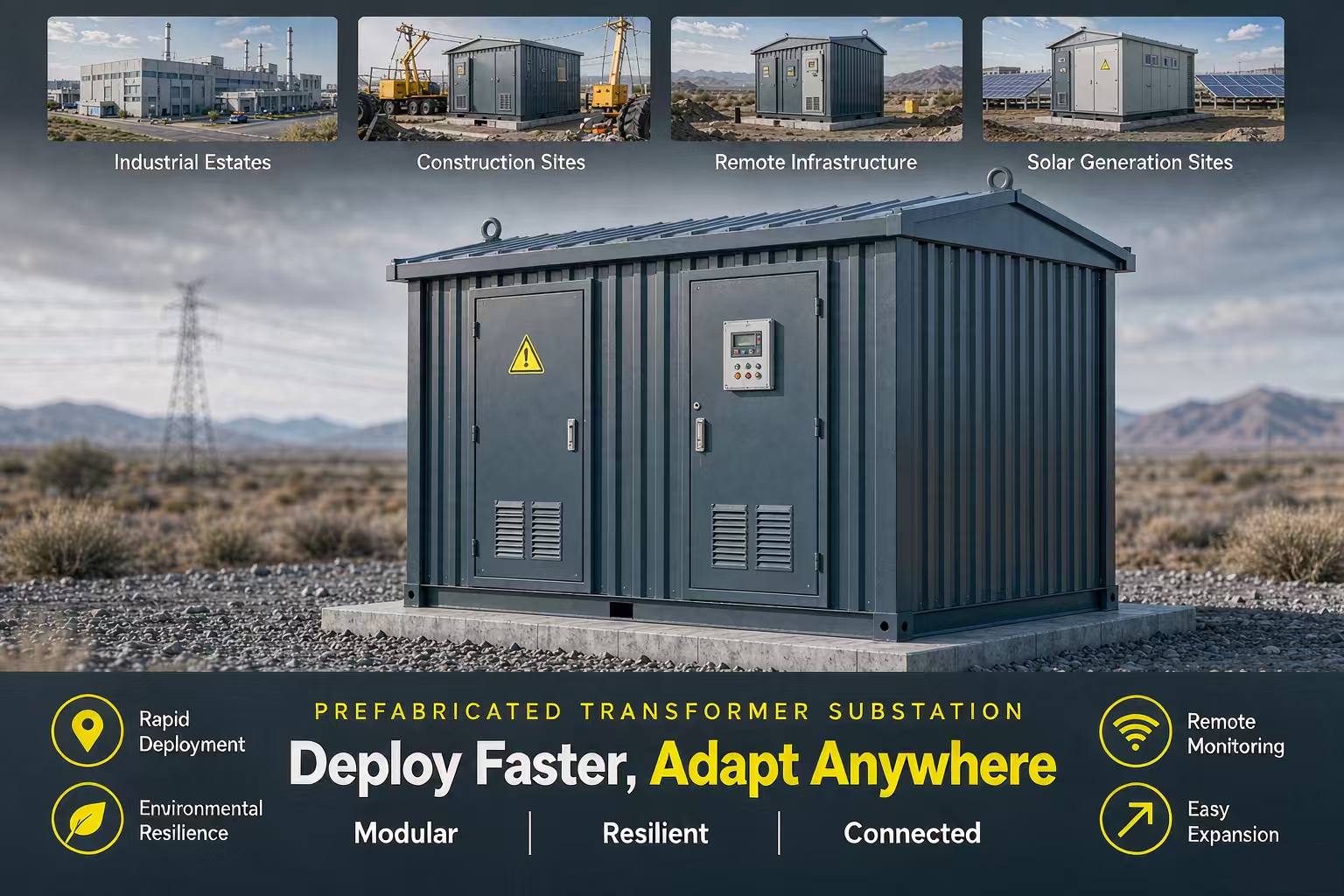
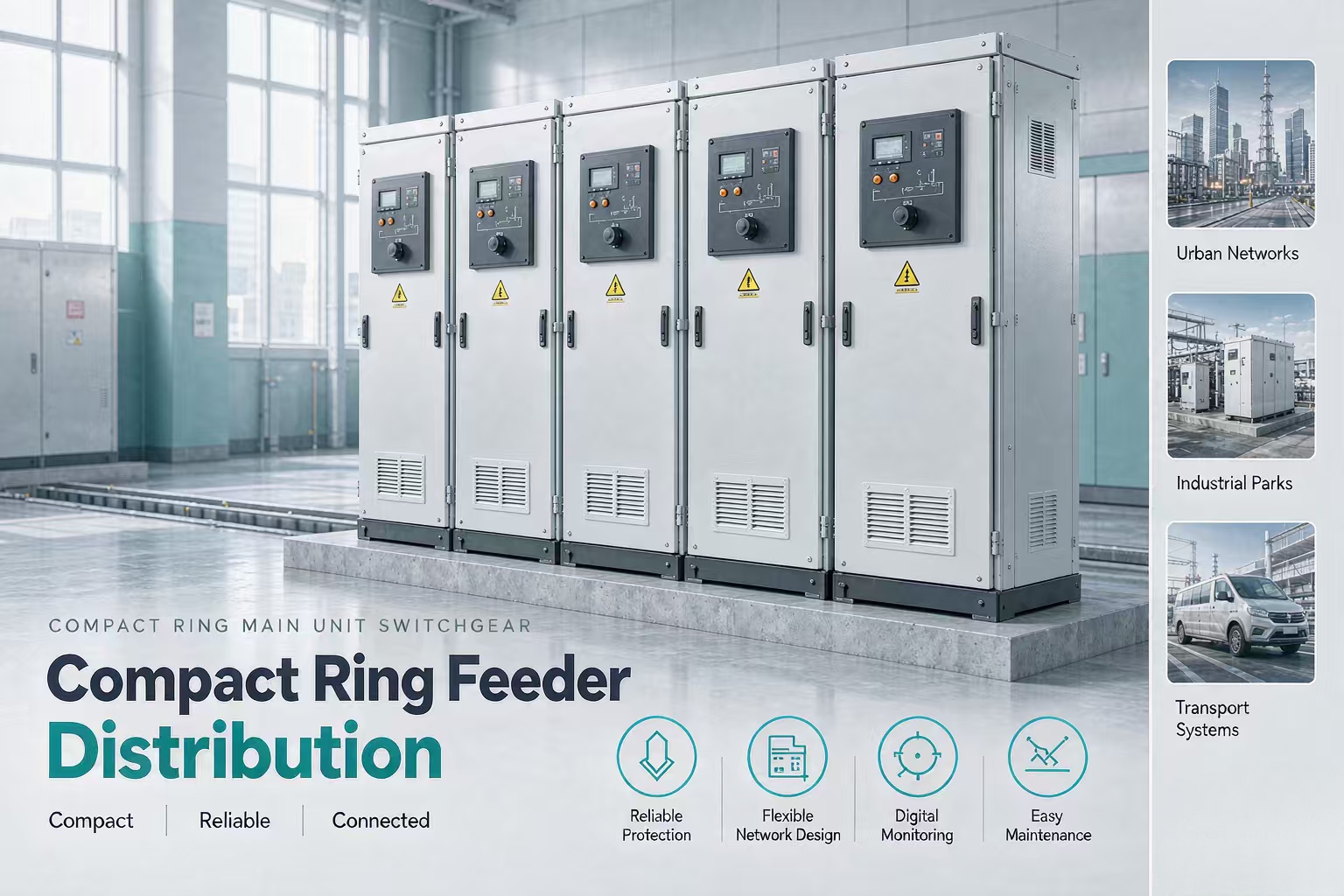
Manufacturing plants, logistics facilities, commercial complexes and infrastructure developments often require substations that can adapt to limited space and different load structures. Outdoor configurations can reduce dependence on dedicated indoor electrical rooms, while prefabricated construction can simplify transportation, installation and commissioning. Equipment selection still depends on transformer capacity, voltage level, short-circuit conditions, environmental exposure and local regulations.
For facilities with expanding electricity demand, the ability to reserve space for future capacity can also influence substation configuration. This is increasingly relevant as global grid investment currently stands at around USD 400 billion annually, while the IEA estimates that spending may need to rise by approximately 50% by 2030 to keep pace with electrification and new generation.
Renewable and Distributed Energy Create New Uses
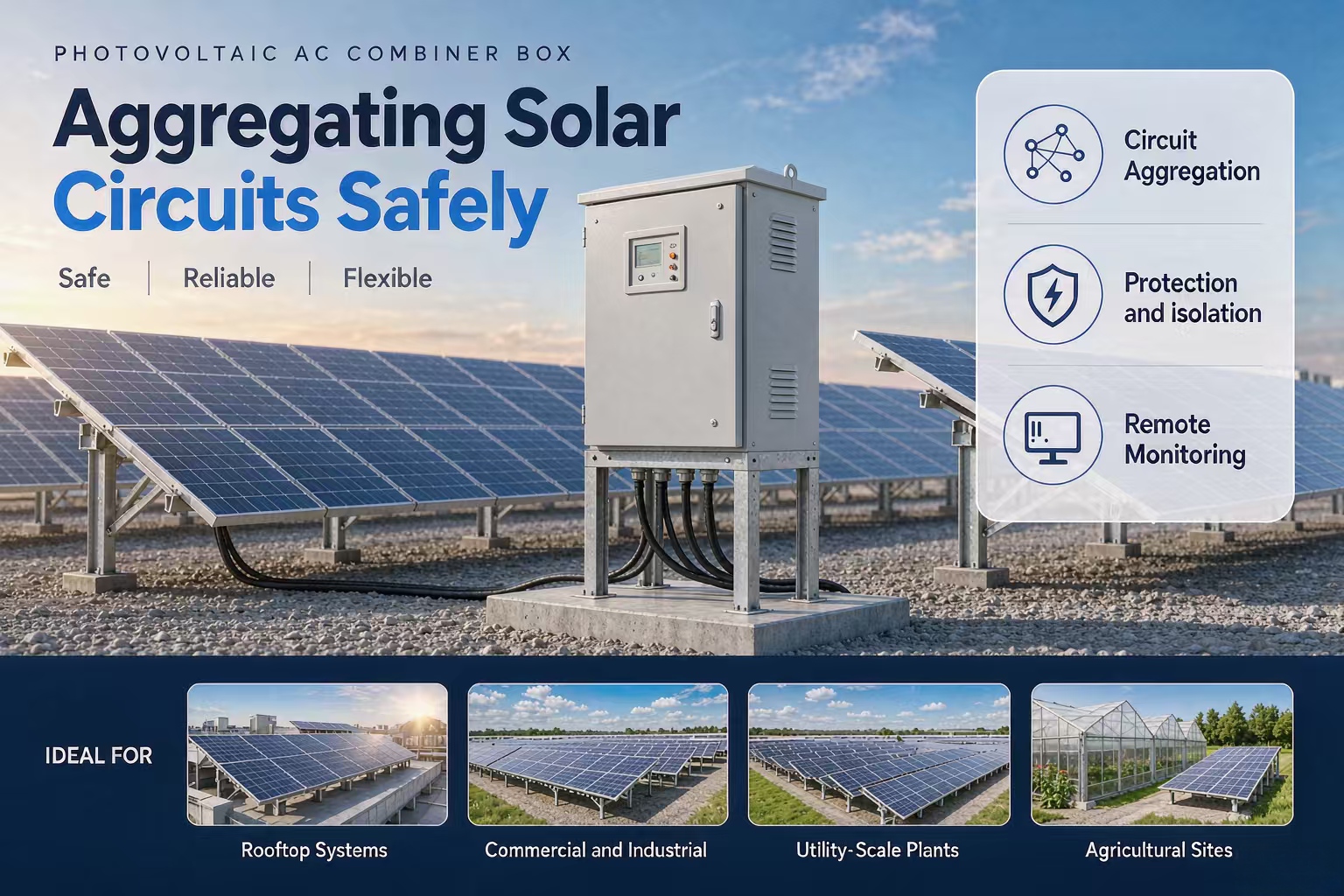
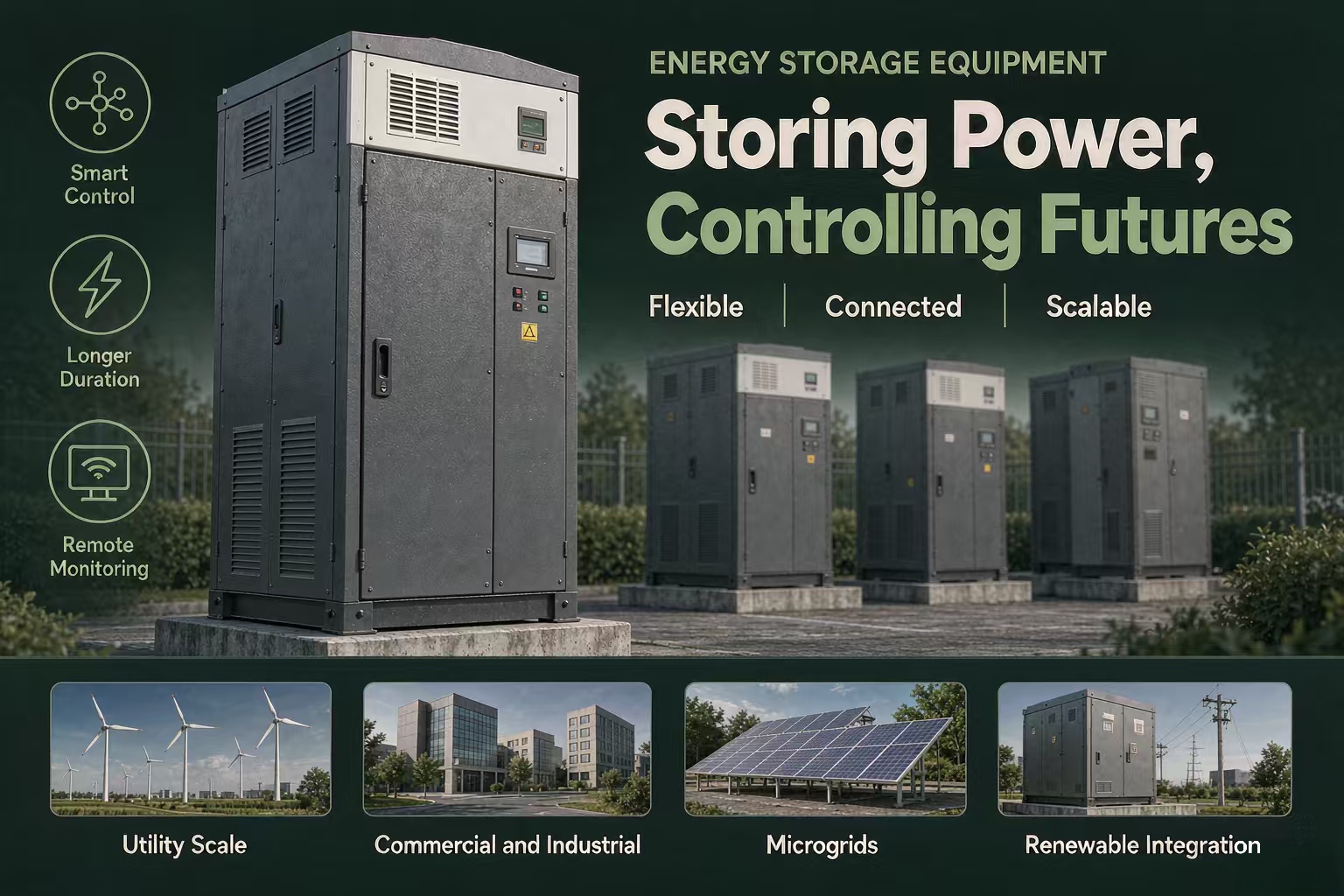
Solar generation, battery systems and decentralized electricity resources are creating additional applications. A Box Substation can serve as a connection point between local generation and distribution networks where site capacity and voltage requirements are suitable. Applications may include solar facilities, commercial parks, agricultural installations and remote infrastructure.
The need for such configurations is also linked to the rapid growth of renewable and storage projects. More than 2,500 GW of renewable, storage and large-load projects are currently waiting for grid connections worldwide, according to the IEA, highlighting the importance of adaptable grid infrastructure.
Environmental Conditions Influence Equipment Configuration
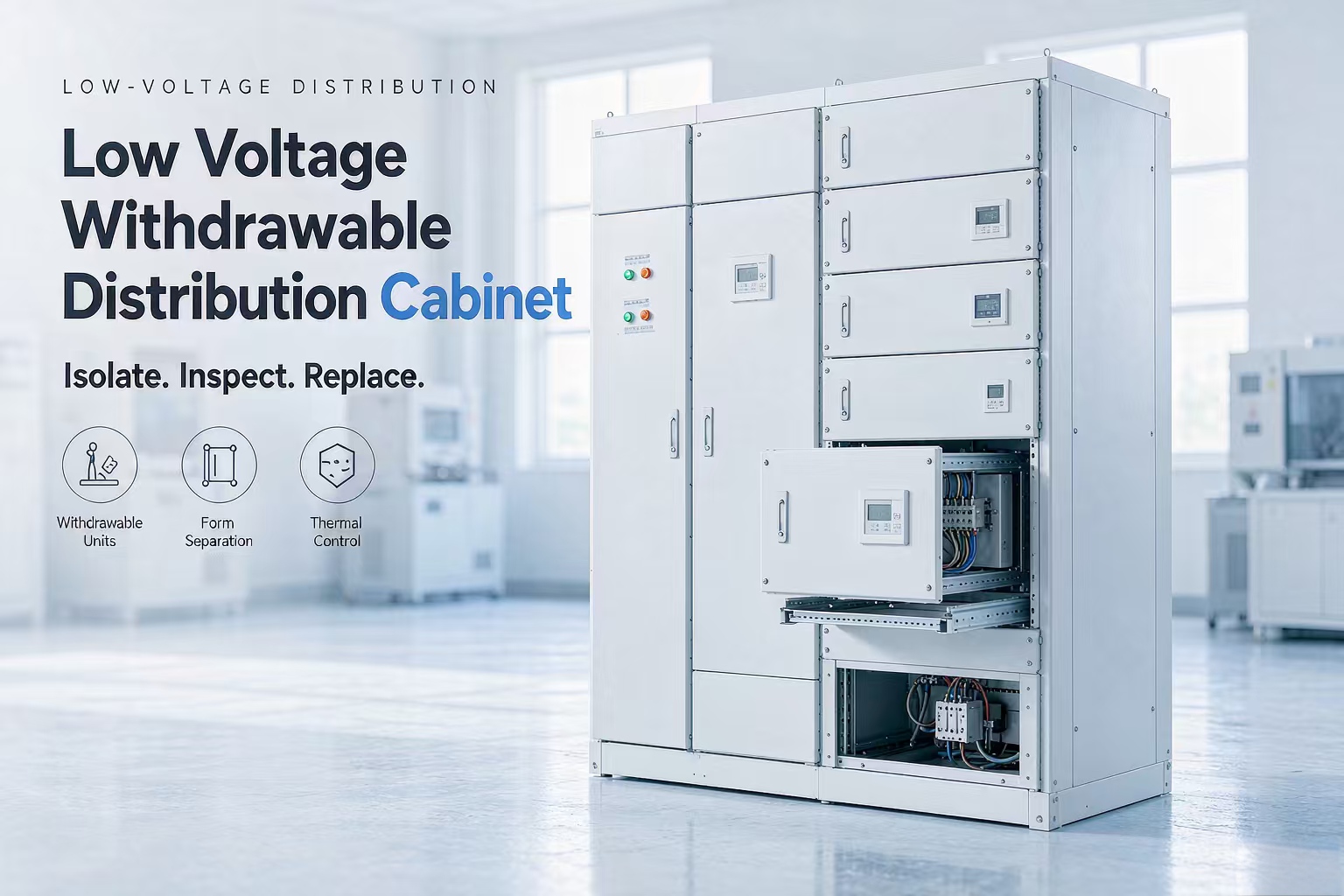
Outdoor substations may operate in high-temperature, dusty, humid or coastal environments. Protection against water and dust, thermal management, corrosion resistance and accessibility for maintenance therefore become important selection criteria. Remote monitoring can also reduce the need for frequent on-site inspection in isolated installations.
As power infrastructure becomes more decentralized, the application value of the Box Substation increasingly depends on matching its configuration to local electrical loads, environmental conditions and expansion plans. Rather than a single standardized solution, the market is moving toward application-specific designs that balance footprint, reliability, installation efficiency and lifecycle requirements.