Compact Prefabricated Substations Evolve with Flexible Power Infrastructure Demand
Faster Construction Creates Demand for Prefabricated Solutions
The rapid development of industrial parks, renewable-energy facilities, commercial districts and distributed power networks is increasing demand for electrical infrastructure that can be deployed with greater speed and flexibility. The International Energy Agency reports that meeting expected electricity demand through 2035 will require global grid capacity to increase by at least 30%, equivalent to adding or replacing around 25 million kilometres of power lines. About three-quarters of this expansion is expected in emerging market and developing economies.
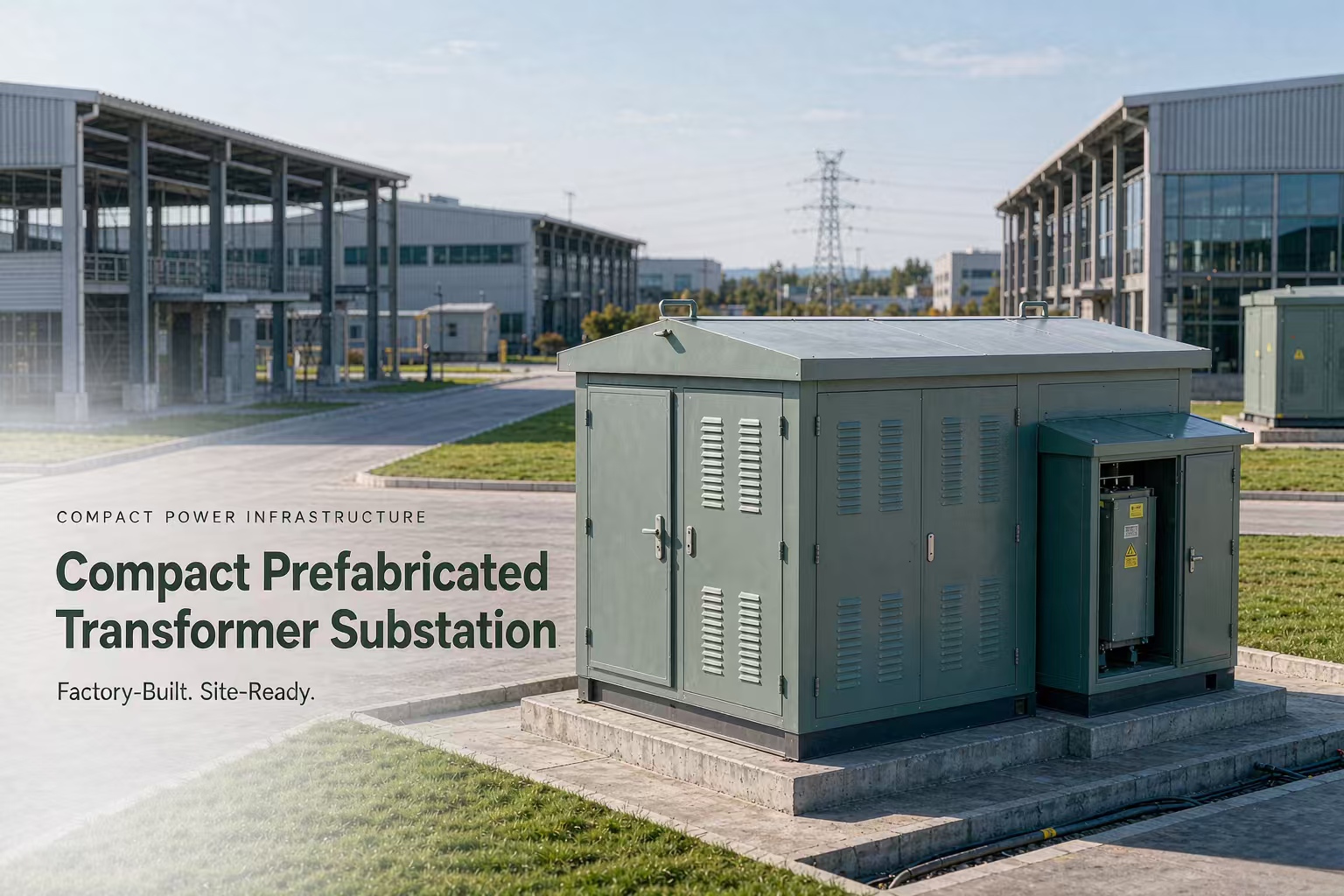
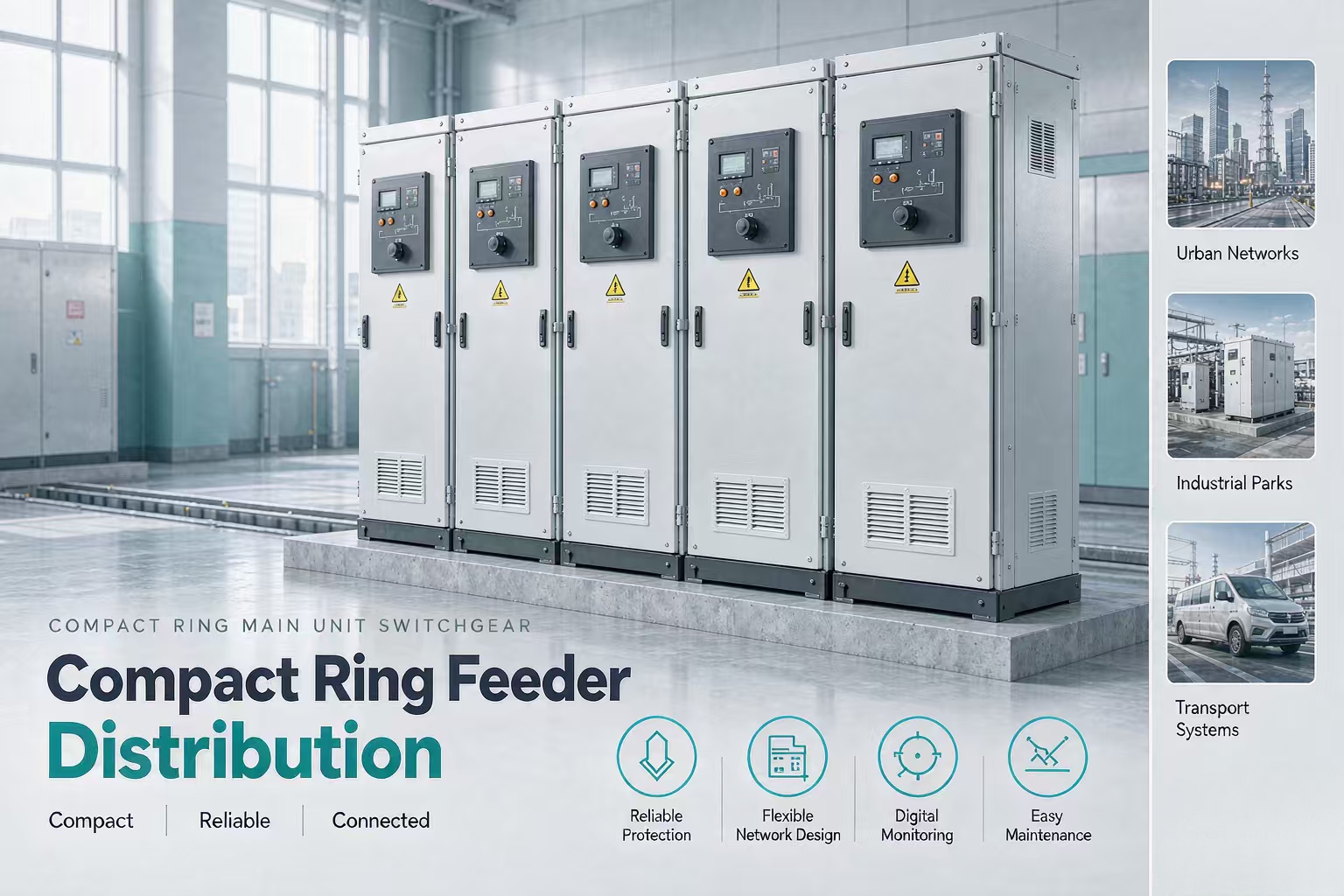
The Compact Prefabricated Transformer Substation is gaining attention because major electrical components can be assembled and tested before delivery, allowing installation work at the site to focus on positioning, connection and commissioning.
Flexible Capacity Supports Diverse Applications
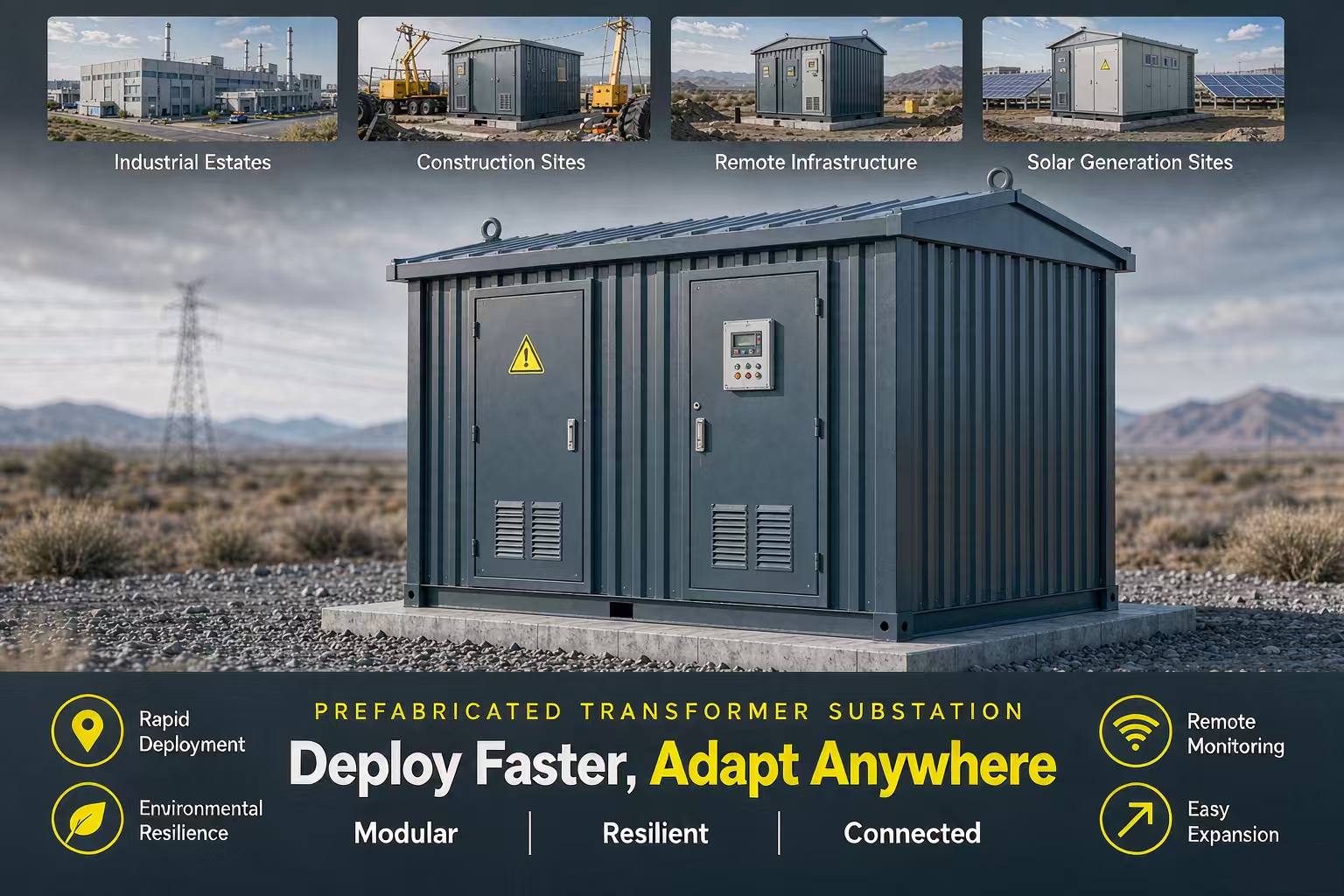
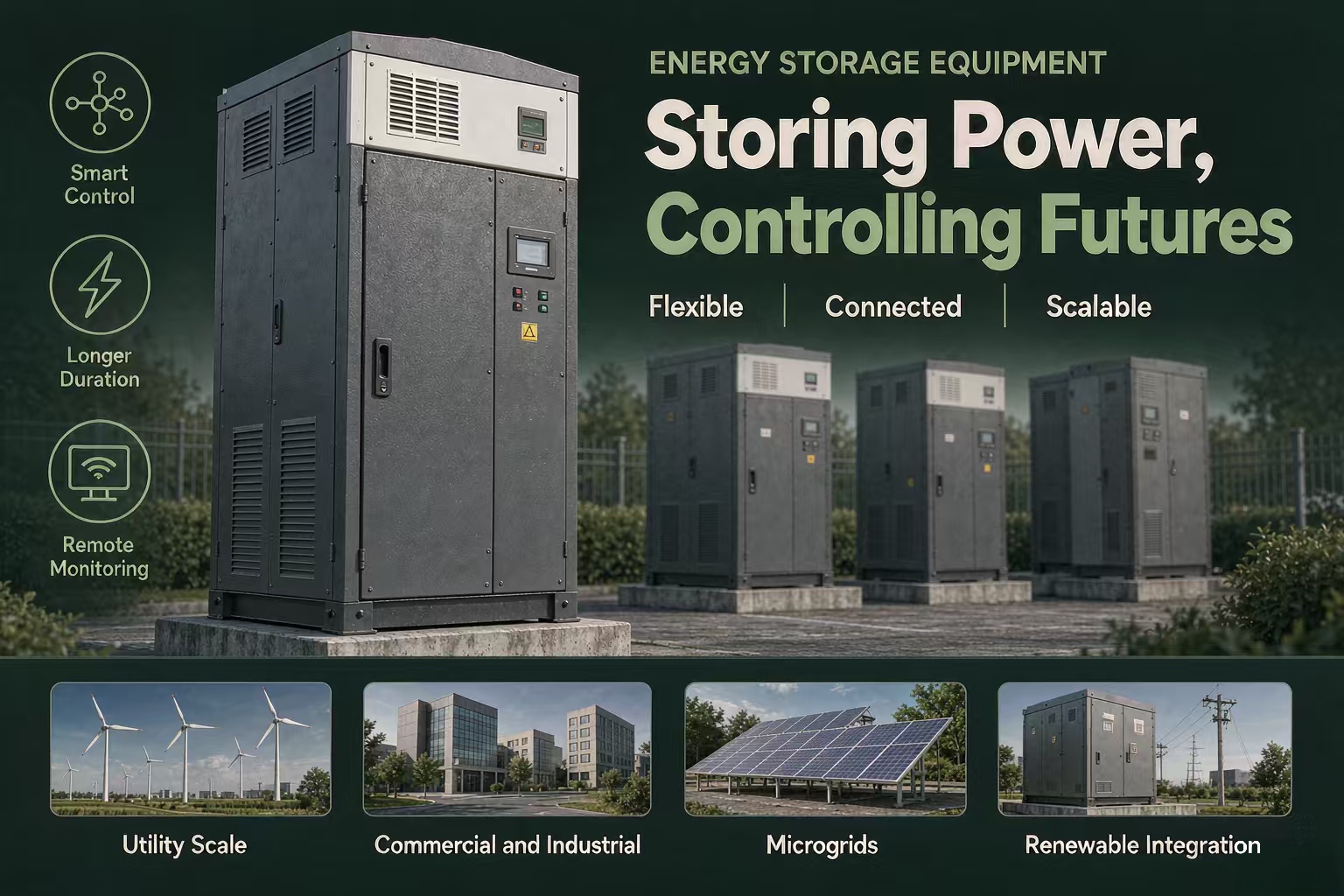
Prefabricated designs are being considered for manufacturing facilities, commercial developments, renewable-energy installations, agricultural sites and remote infrastructure. The main advantage is not simply a smaller footprint, but the ability to configure transformer capacity, protection functions, cable arrangements and auxiliary systems according to the specific application.
For projects that require phased capacity expansion, a compact prefabricated approach can also simplify the addition of further electrical units. Standardized enclosure dimensions and factory-based assembly may reduce construction coordination requirements, although final configuration remains dependent on local grid rules and site engineering conditions.
Technical Requirements Extend Beyond Footprint
Current equipment selection increasingly considers thermal performance, environmental protection, insulation coordination, accessibility and transport constraints. IEC 62271-202:2022 applies to enclosed high-voltage prefabricated substations for AC networks above 1 kV and up to 52 kV, and includes requirements related to structural design, temperature rise, access arrangements and installation conditions. The standard also introduces considerations for solar radiation effects and electronic equipment installed within the enclosure.
These requirements are particularly relevant for outdoor installations exposed to high temperatures, dust, humidity or direct solar radiation.
Digitalization Adds New Operating Functions
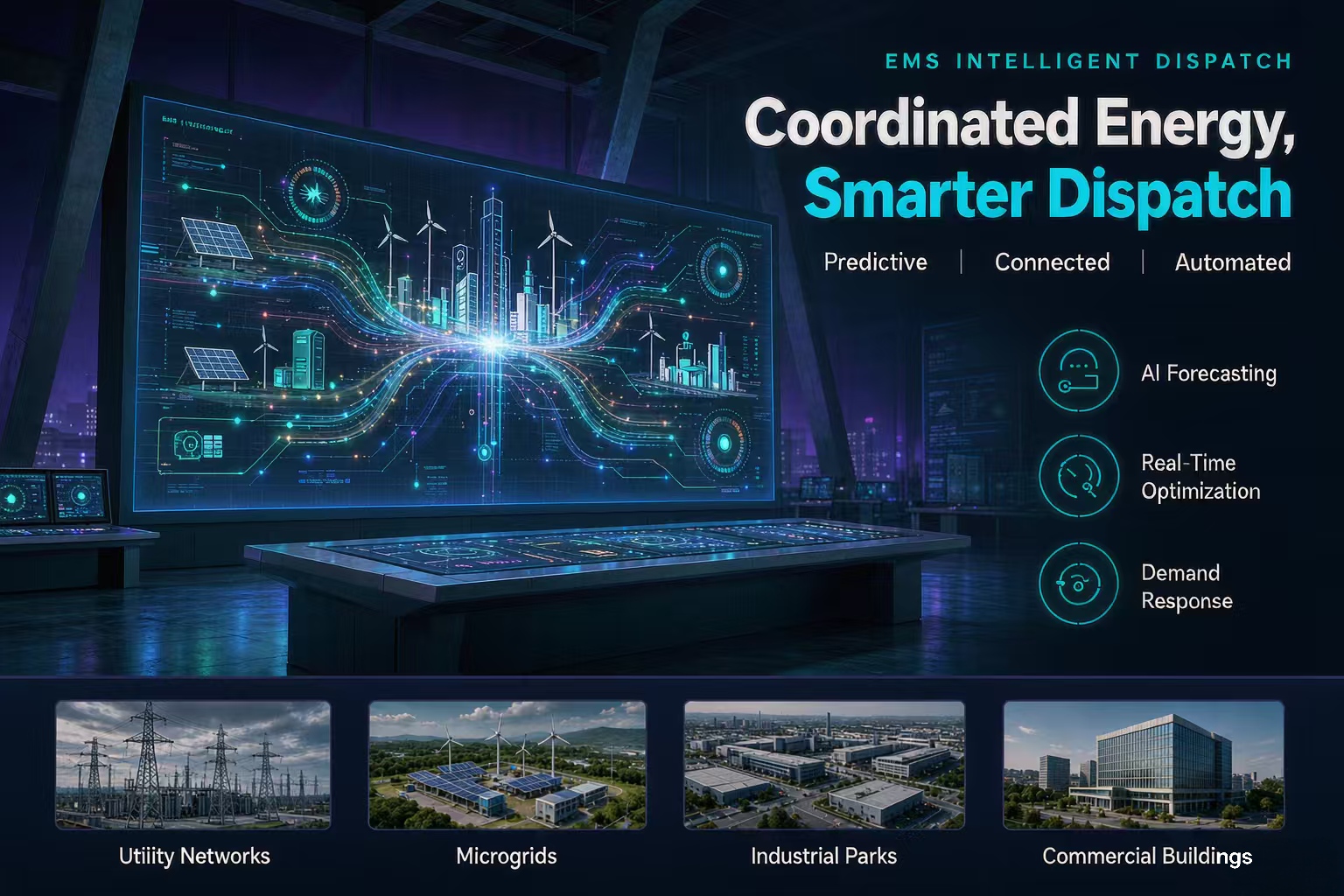
The development of prefabricated substations is also extending into digital monitoring. Sensors and communication interfaces can be incorporated to collect operating information such as temperature, load conditions and equipment status. Remote supervision can be especially useful for renewable-energy plants and geographically dispersed facilities where routine manual inspection is more difficult.
As electricity systems become more distributed, the role of the Compact Prefabricated Transformer Substation is evolving from a construction-oriented solution toward a more integrated power infrastructure platform. Future designs are expected to balance compact dimensions, transportability, electrical performance, environmental adaptability, monitoring capability and expansion requirements.