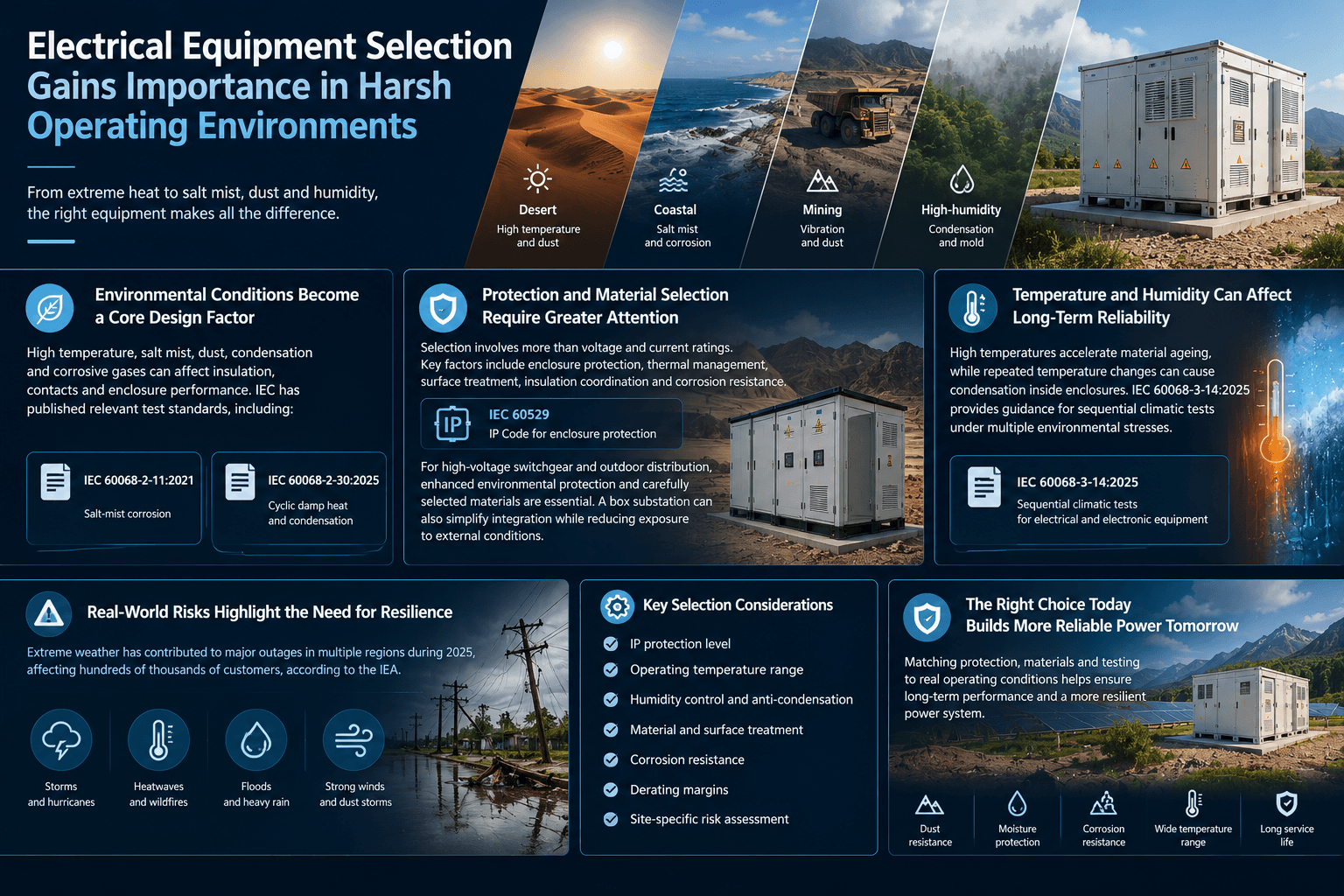
Electrical Equipment Selection Gains Importance in Harsh Operating Environments
Environmental Conditions Become a Core Design Factor
Electrical equipment used in deserts, coastal facilities, mining areas and high-humidity regions faces conditions very different from those of conventional indoor installations. High temperature, salt mist, dust, condensation and corrosive gases can affect insulation, contacts and enclosure performance. The International Electrotechnical Commission has dedicated test standards to these conditions, including IEC 60068-2-11:2021 for salt-mist corrosion and IEC 60068-2-30:2025 for cyclic damp heat and condensation.
Protection and Material Selection Require Greater Attention
For outdoor and industrial applications, equipment selection increasingly involves more than voltage and current ratings. Enclosure protection, thermal management, surface treatment, insulation coordination and corrosion resistance need to be evaluated against the actual site environment. IEC 60529 defines the IP Code used to classify enclosure protection for electrical equipment, making ingress protection an important reference when selecting equipment for dusty or wet locations.
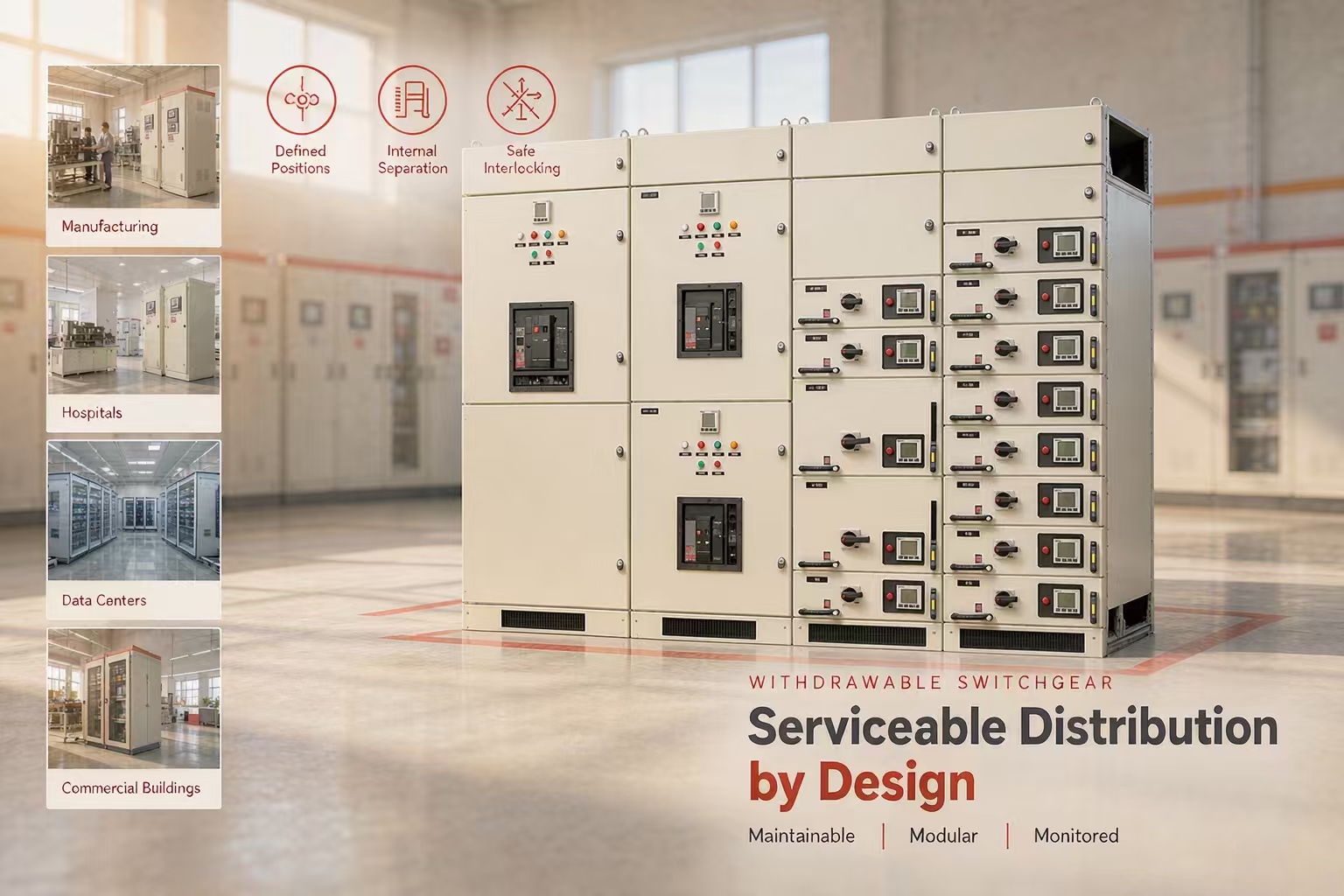
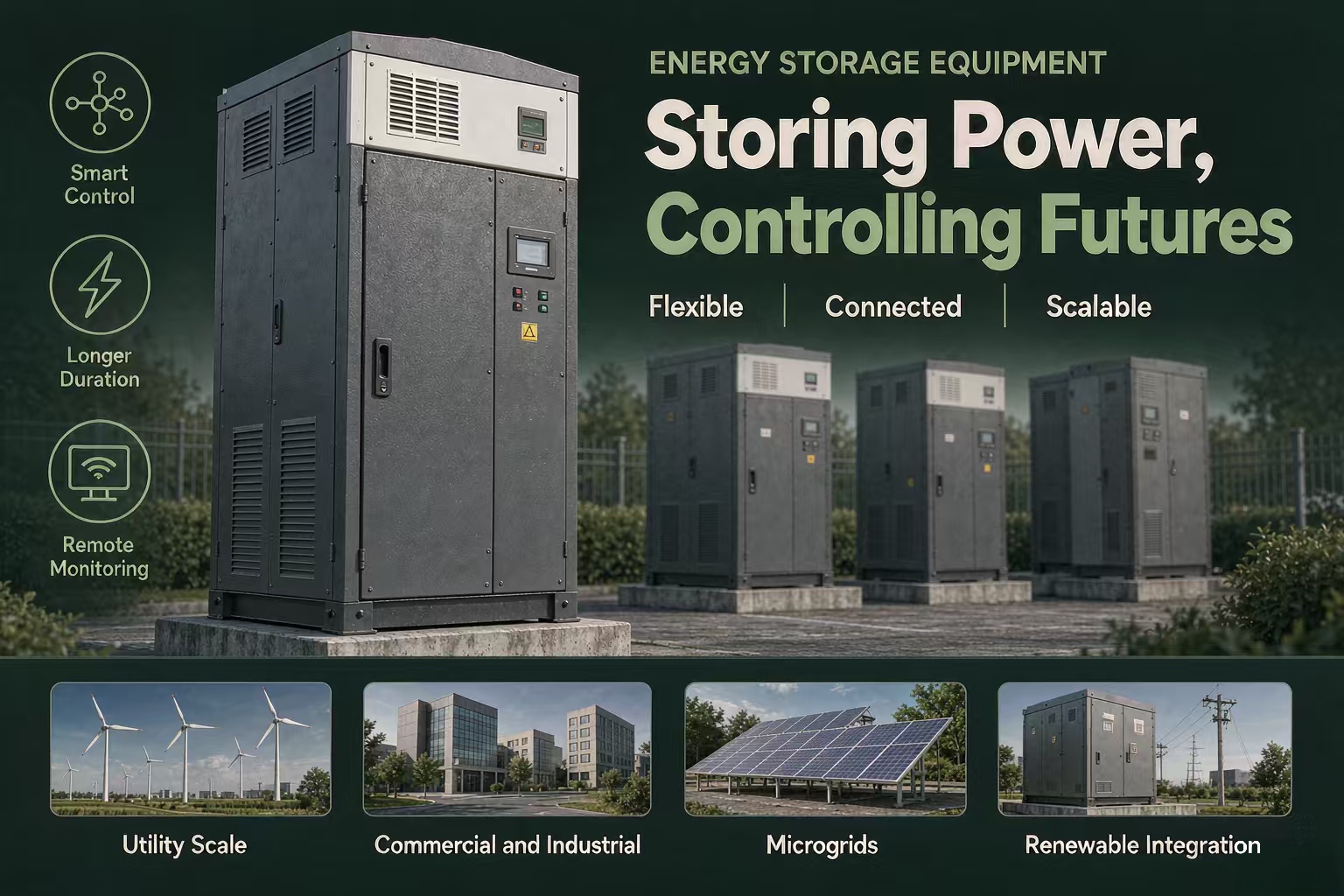
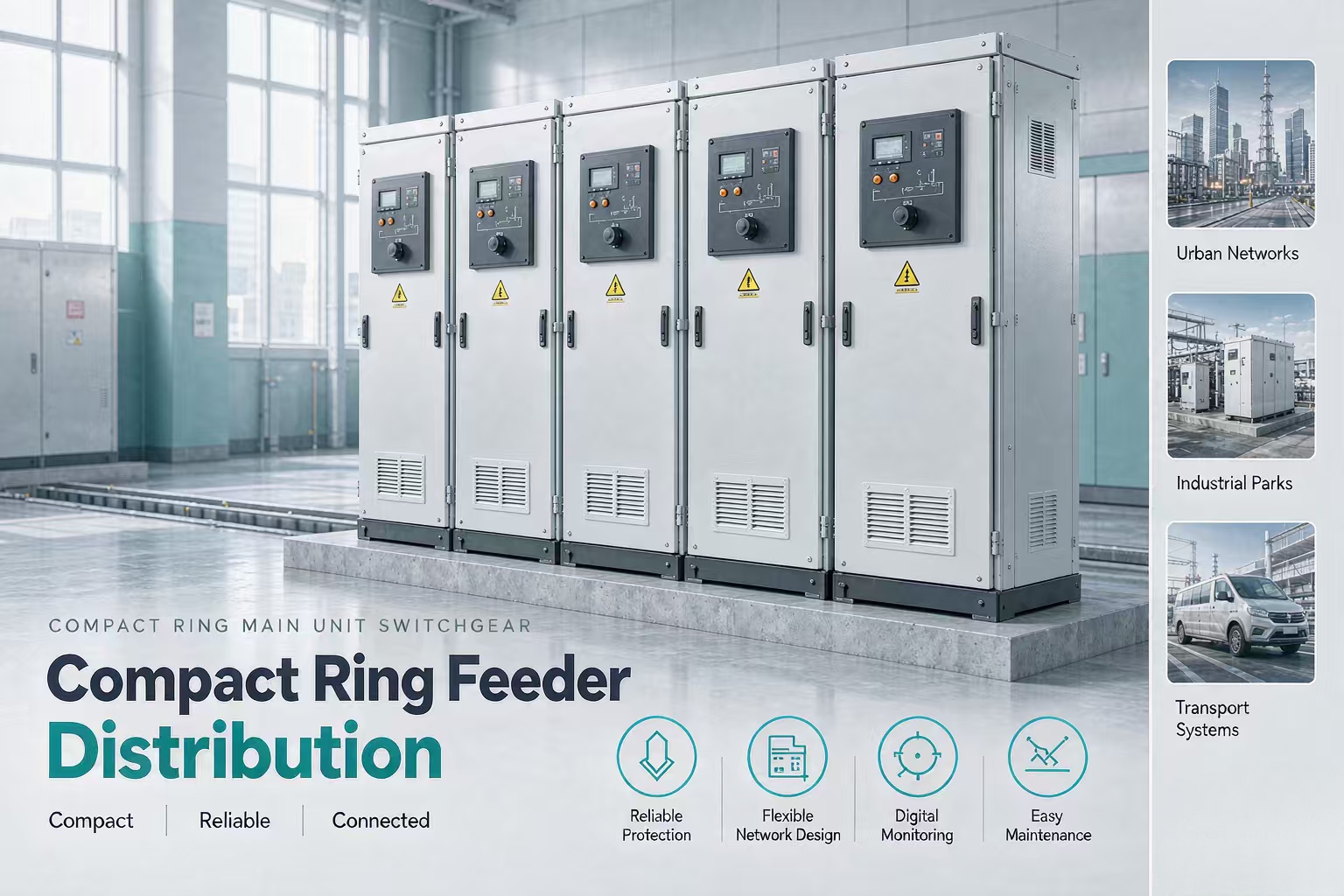
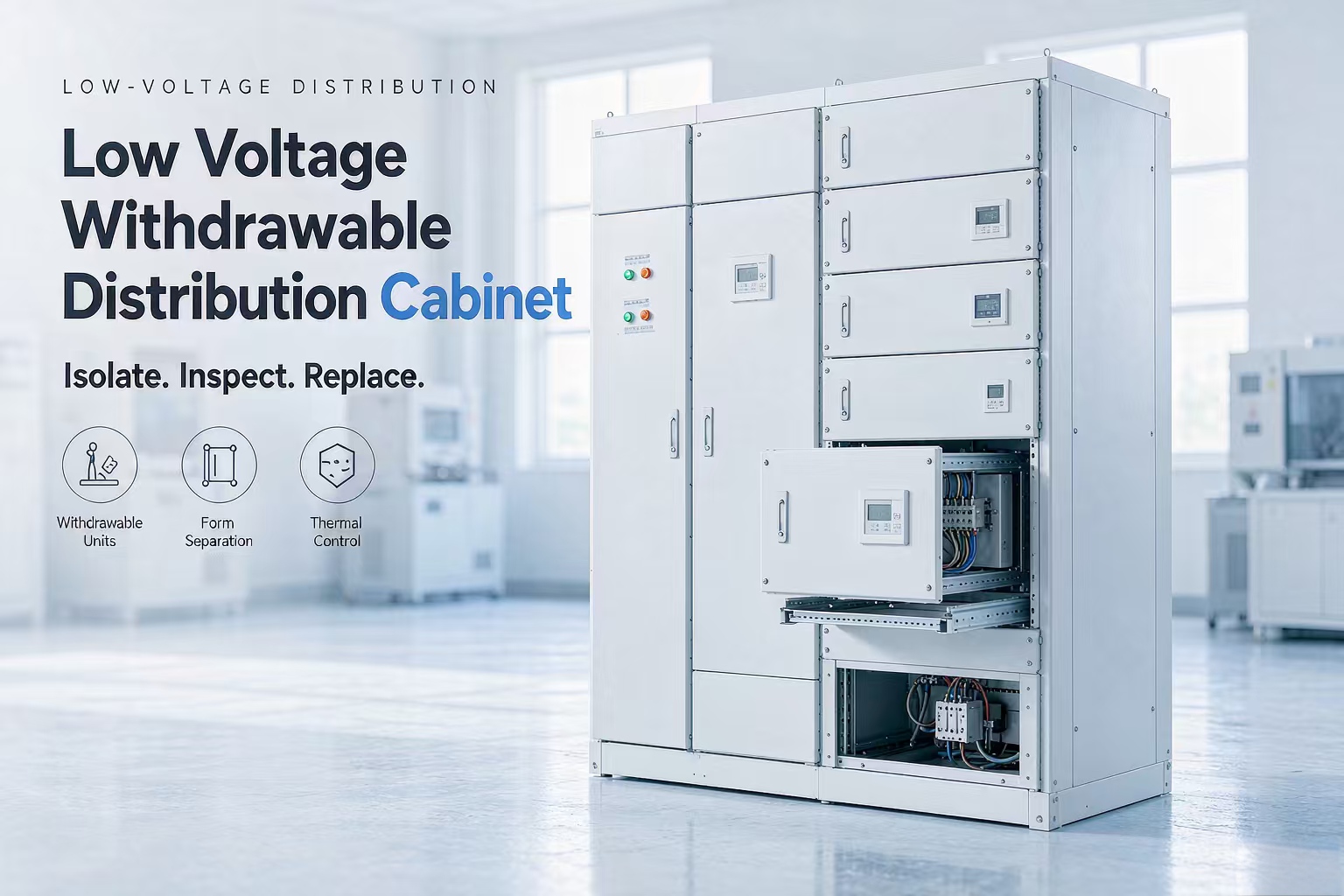
In severe conditions, high-voltage switchgear may require enhanced environmental protection and carefully selected materials for reliable operation. For compact outdoor distribution, a suitably configured box substation can also simplify equipment integration while limiting exposure of internal components to external conditions.
Temperature and Humidity Can Affect Long-Term Reliability
High temperatures accelerate material ageing, while repeated temperature changes can cause condensation inside electrical enclosures. The latest IEC 60068-3-14:2025 provides guidance for developing sequential climatic tests specifically for electrical and electronic equipment exposed to multiple environmental stresses.
These considerations are increasingly relevant as critical electrical infrastructure is deployed in remote locations. Equipment specifications may need to include wider operating-temperature ranges, humidity control, anti-condensation measures and appropriate derating margins rather than relying solely on standard laboratory conditions.
Resilience Is Becoming Part of Equipment Evaluation
Recent power-system events have also highlighted the importance of physical resilience. The IEA reported that extreme weather contributed to major outages in multiple regions during 2025, including events affecting hundreds of thousands of customers.
As a result, electrical equipment selection is increasingly linked to site-specific risk assessment. For projects exposed to dust, moisture, salinity, heat or severe weather, the preferred solution is likely to be equipment whose protection level, materials, cooling method and testing profile are matched to actual operating conditions. This approach can support more predictable performance throughout the equipment lifecycle.