

Electrical Infrastructure Modernization Moves Beyond Equipment Replacement
Aging Assets Prompt a New Approach to Infrastructure Management
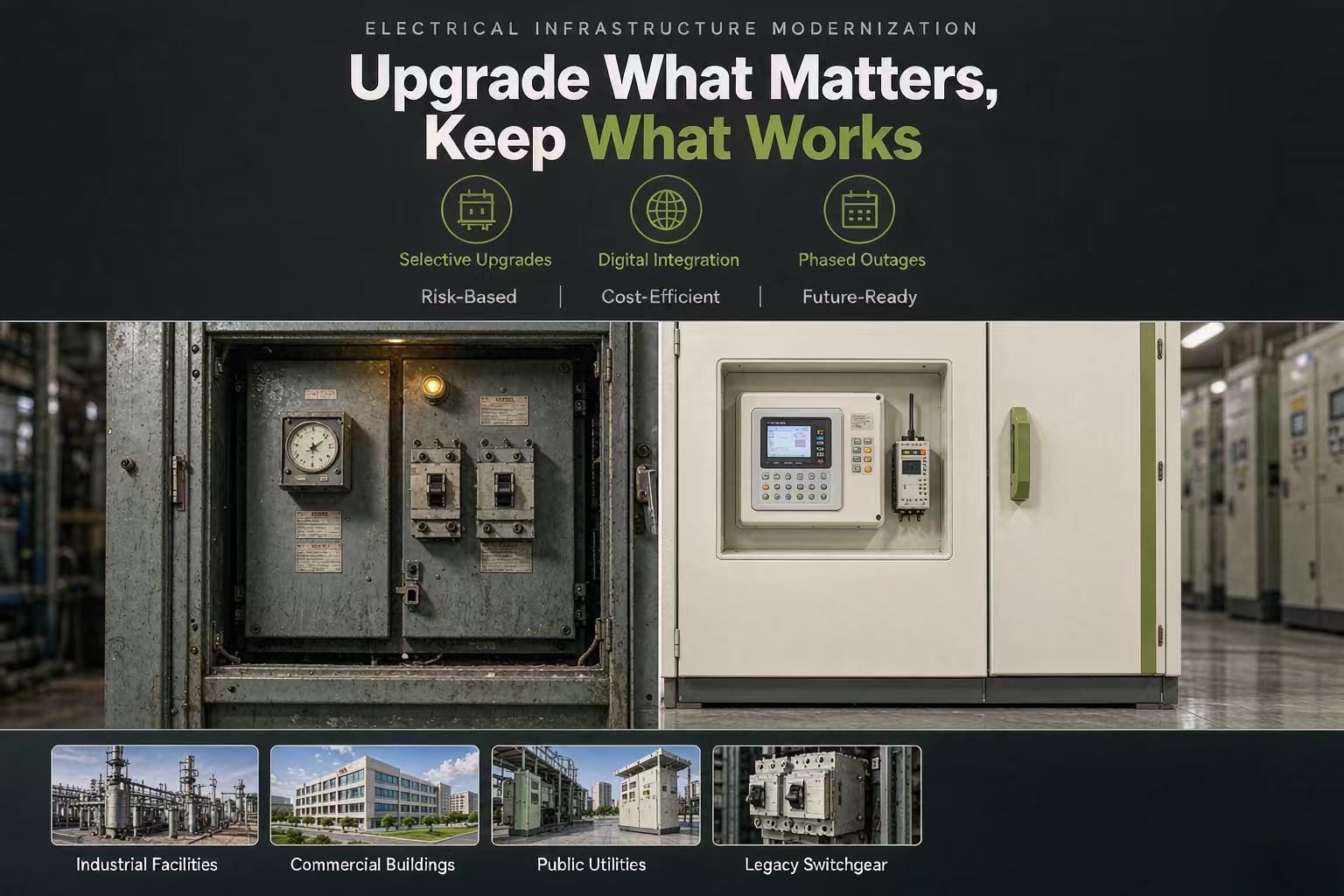
Electrical infrastructure modernization is becoming a strategic issue for industrial facilities, commercial buildings and public utilities. Many distribution systems remain operational after decades of service, yet aging components, obsolete protection functions and limited monitoring capabilities can complicate maintenance and expansion. According to the International Energy Agency, primary grid equipment can remain in service for more than 40 years, while control and protection systems are typically renewed every 15–20 years. This difference creates opportunities to modernize electrical systems in stages rather than replace every component simultaneously. (IEA, Modernising Grids in the Age of Electricity)
Selective Upgrades Balance Cost and Reliability
Replacing an entire distribution system can involve substantial capital expenditure, construction work and planned outages. Selective modernization offers another approach: retaining serviceable infrastructure while upgrading critical components such as protection relays, measurement devices, control circuits and communication interfaces.
The appropriate strategy depends on equipment condition, failure consequences, spare-parts availability and the operational importance of the facility. Risk-based asset management helps prioritize investments by considering both the likelihood of failure and its potential consequences, rather than relying exclusively on equipment age. (CIGRE, Risk and Asset Health-Based Decision Making)
Digital Compatibility Becomes a Design Priority
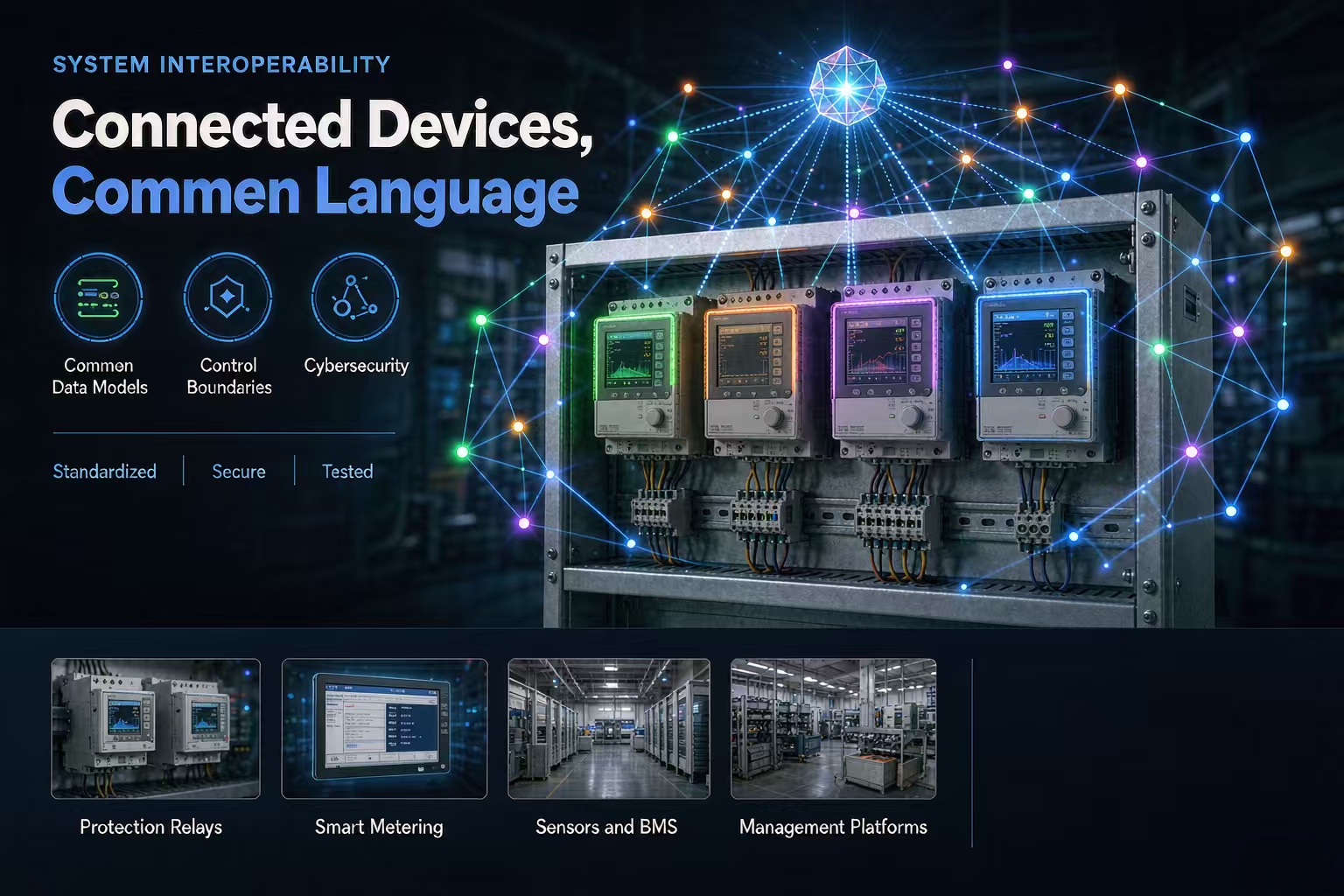
Modern monitoring technologies can extend the operational visibility of existing electrical assets. Sensors, remote measurement and digital communication interfaces can provide additional information about temperature, load conditions and equipment status. However, legacy switchgear may use outdated communication protocols or lack suitable interfaces, making compatibility assessment essential before upgrades begin.
The IEA identifies asset replacement and refurbishment as important opportunities to integrate sensing, communications and monitoring capabilities at lower incremental cost than implementing a separate digital retrofit later. (IEA)
Reducing Downtime Requires Careful Project Planning
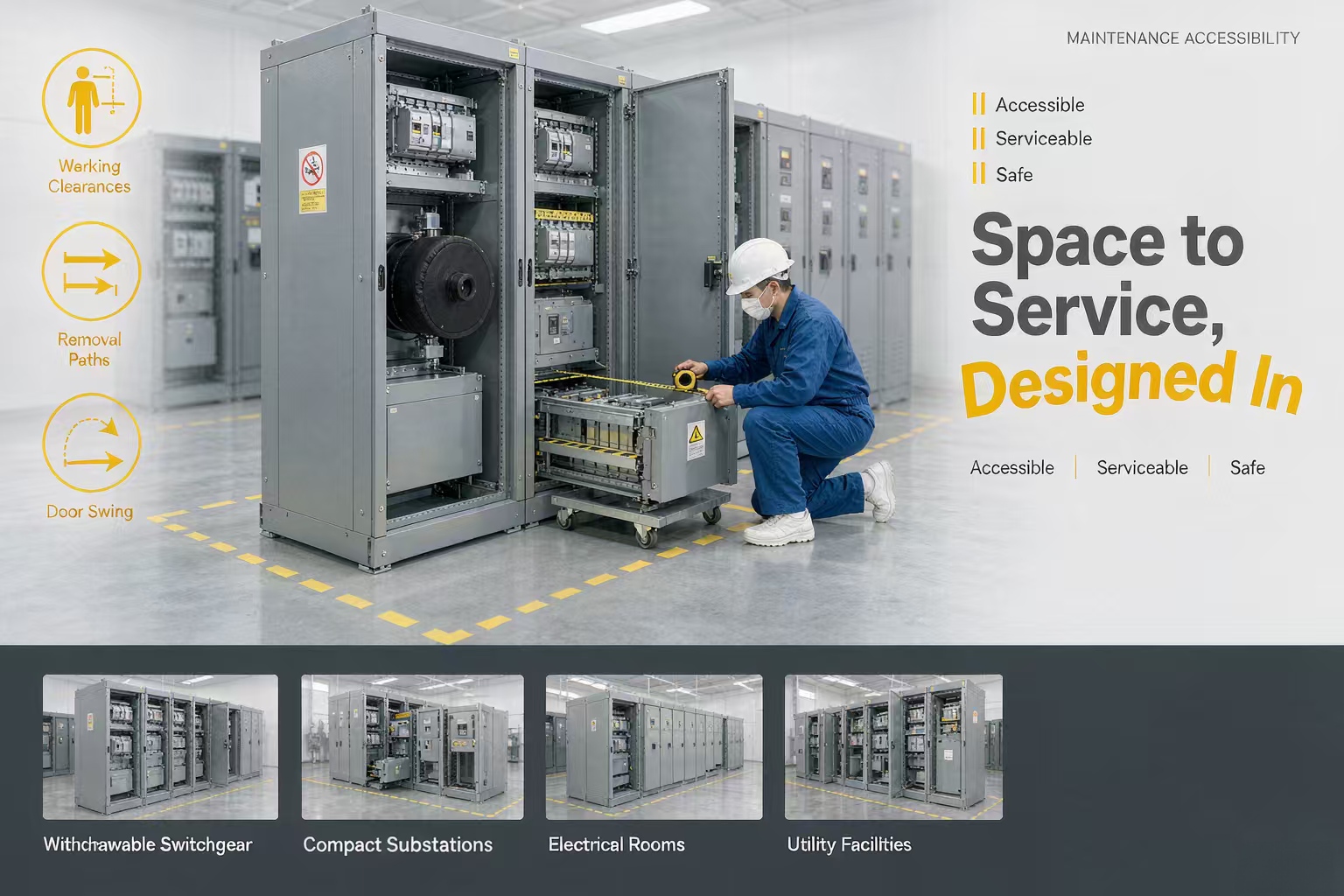
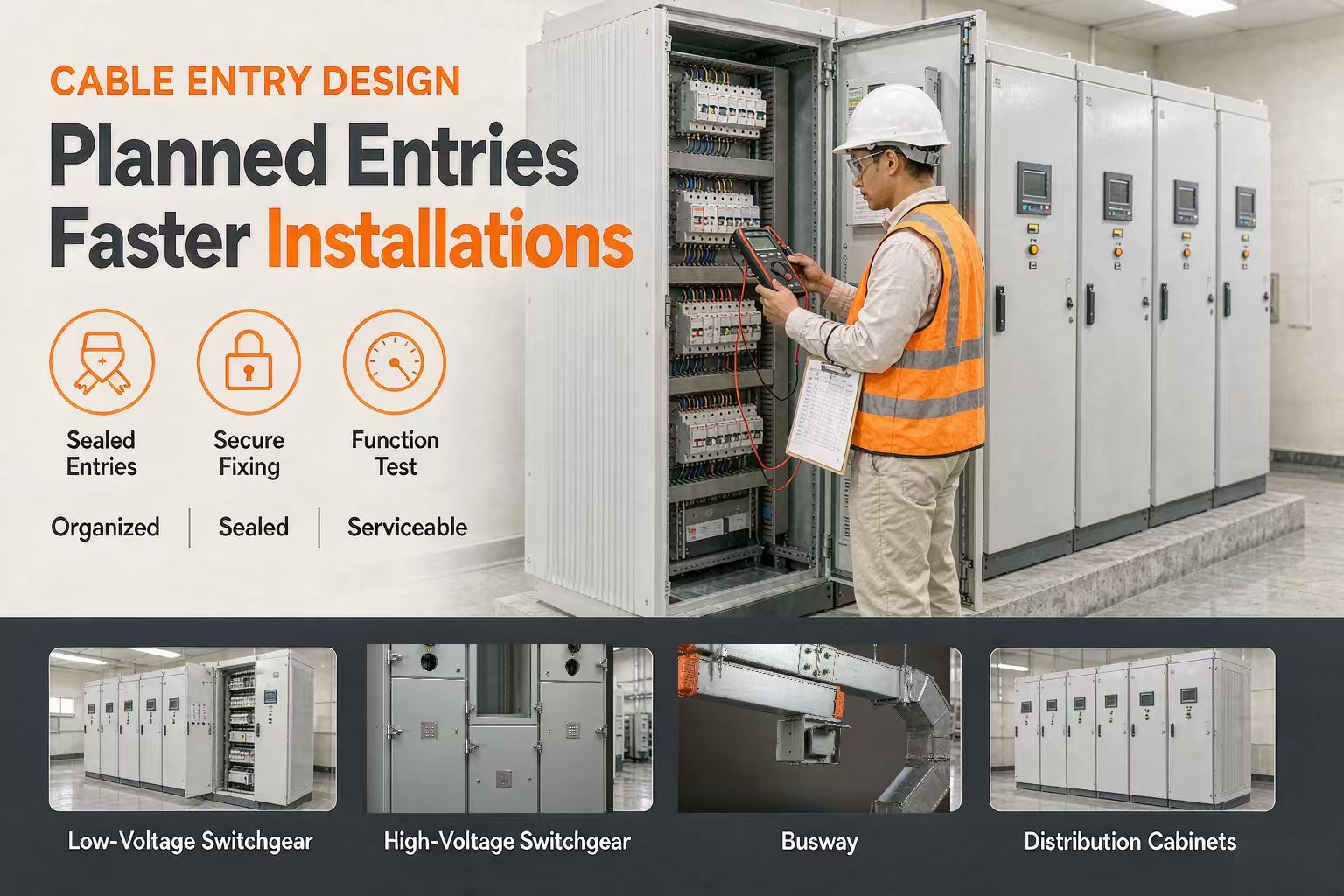
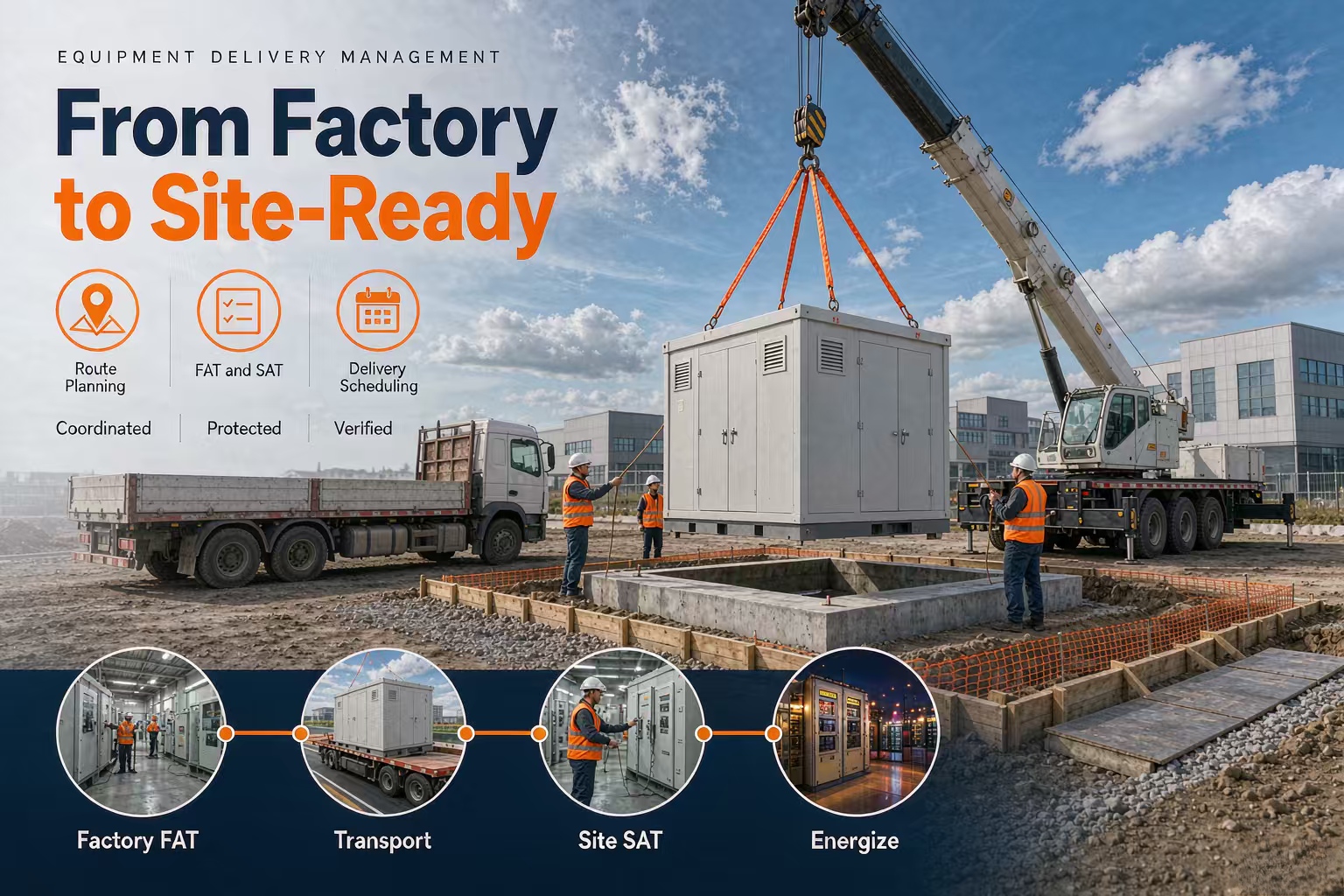
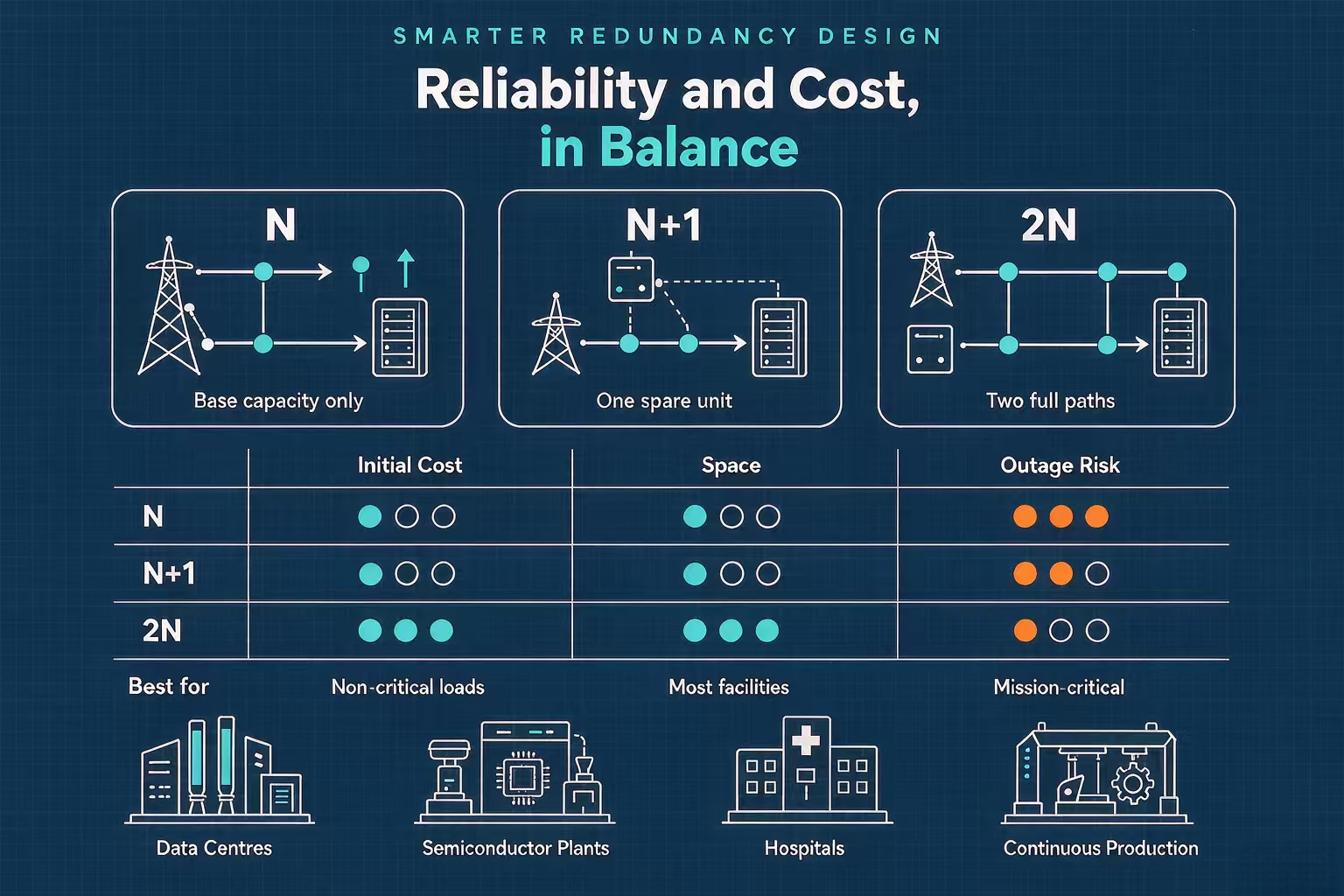
Modernization must also account for the operational risks associated with installation and commissioning. Phased replacement, pre-assembly, scheduled outage windows and functional testing can help limit disruption. Where uninterrupted supply is essential, temporary power arrangements or redundant circuits may be required, subject to site design and safety constraints.
Lifecycle Value Extends Beyond Initial Purchase Cost
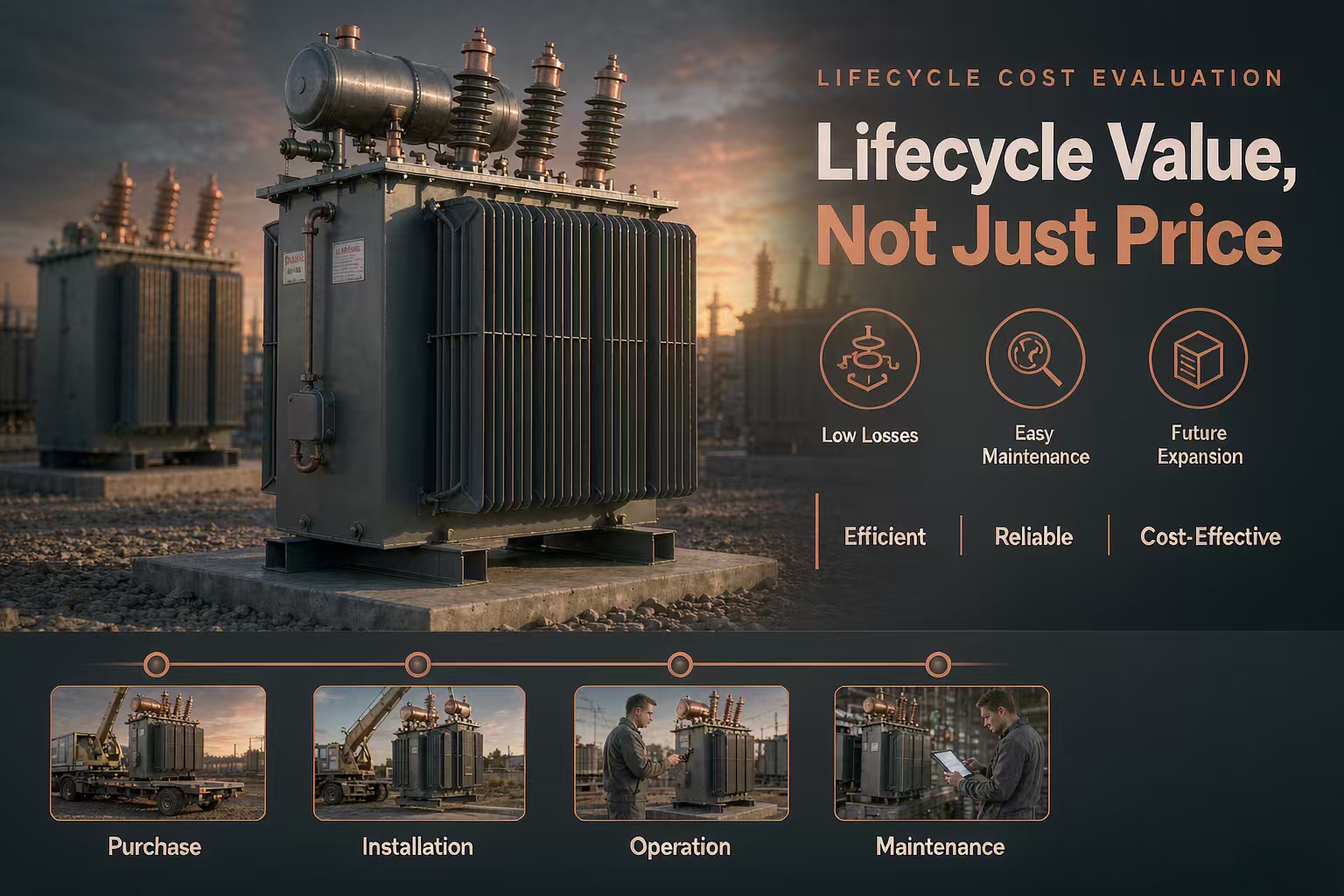
The long-term value of modernization depends on maintenance requirements, energy losses, spare-parts support, equipment availability and future expansion needs. In some cases, selective upgrades can extend useful service life; in others, deteriorated insulation, obsolete components or inadequate fault ratings may justify full replacement.
Electrical infrastructure modernization is therefore increasingly based on condition, risk and lifecycle value rather than age alone. A structured combination of refurbishment, digital upgrades and targeted replacement can help facilities improve reliability while managing capital expenditure and operational interruption.