



EMS Intelligent Dispatch Advances the Efficiency of Modern Power Systems
From Energy Monitoring to Coordinated Dispatch
As electricity systems incorporate more renewable generation, distributed resources and flexible loads, intelligent energy dispatch is becoming increasingly important. An EMS (Energy Management System) coordinates energy production, consumption and storage using operational data, forecasting and optimization algorithms. Its role extends beyond displaying energy consumption: it helps determine when equipment should operate, when batteries should charge or discharge, and how electricity resources can be allocated more efficiently.
The International Energy Agency reported that global electricity demand grew by approximately 3% in 2025. Its 2026 analysis also projects that low-emissions sources could supply around half of global electricity generation by 2030, increasing the importance of flexible scheduling and coordinated control. (IEA)
Intelligent Algorithms Improve Dispatch Decisions
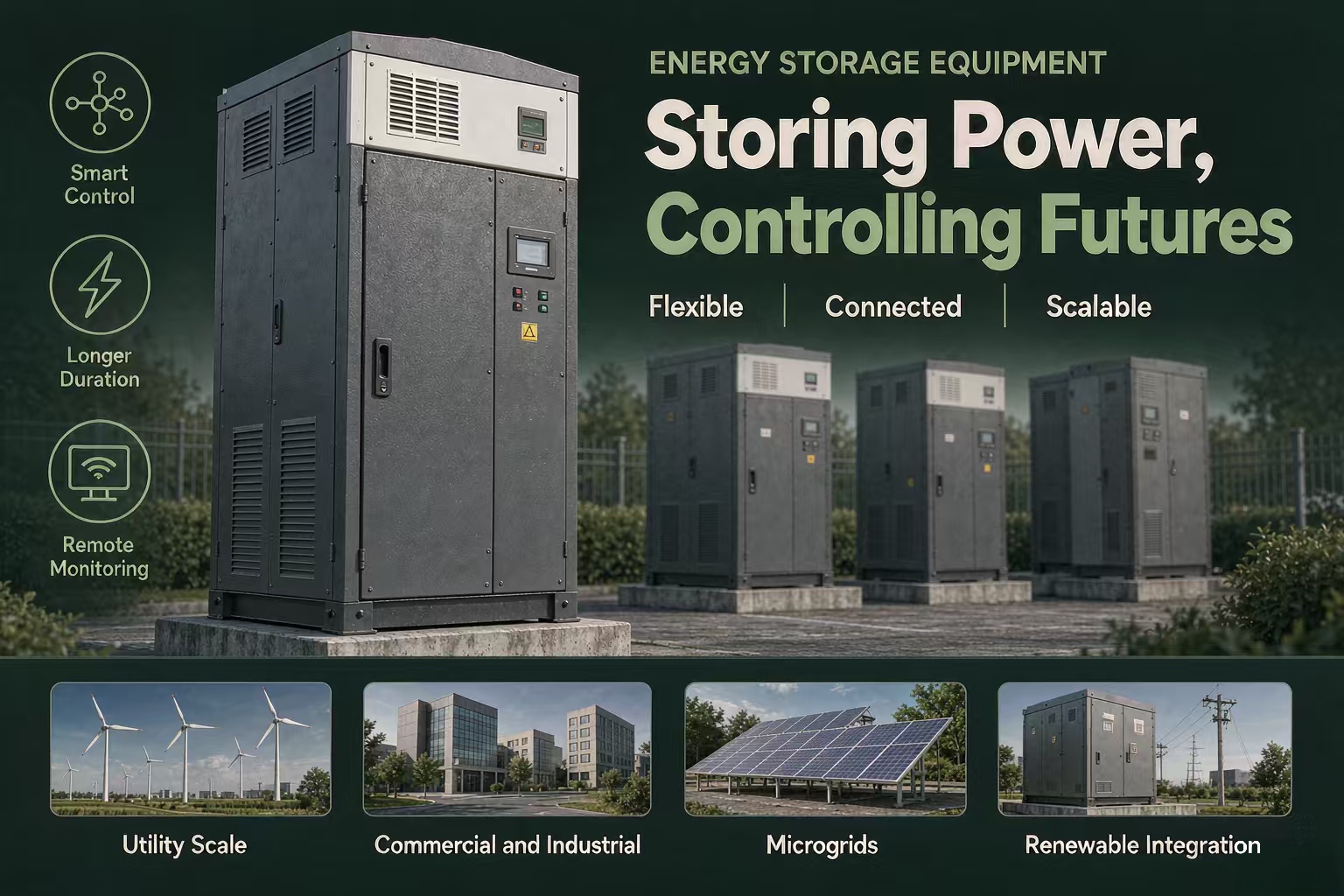
Modern dispatch platforms combine weather forecasts, electricity prices, load profiles and equipment operating limits to generate schedules and adjust them as conditions change. In industrial facilities, this can help shift flexible production loads away from peak periods. In commercial buildings, it can coordinate heating, cooling and other controllable equipment. For systems integrating solar generation and batteries, the platform can align charging and discharging with expected generation and demand.
The potential benefits are measurable. The IEA estimates that demand-flexibility measures in South Africa have already avoided approximately 1.5 GW of peak demand, equivalent to about 5% of annual peak demand. Its analysis suggests that industrial flexibility in Thailand could reduce national peak demand by up to 13% by 2030. These examples illustrate how digital coordination can help use existing electricity infrastructure more efficiently. (IEA)
Data Integration and Interoperability Become Essential
Effective dispatch depends on reliable information from meters, controllers, generation assets and storage systems. Communication compatibility, consistent data models and timely measurements are therefore key technical requirements. The IEC 61970:2026 series provides the framework for energy management system application interfaces and associated power-system data exchange, supporting interoperability between grid-management applications. (IEC)
Cybersecurity, access control and fallback operating modes are equally important, especially where automated commands affect critical electrical loads.
Applications Expand Across Energy Networks
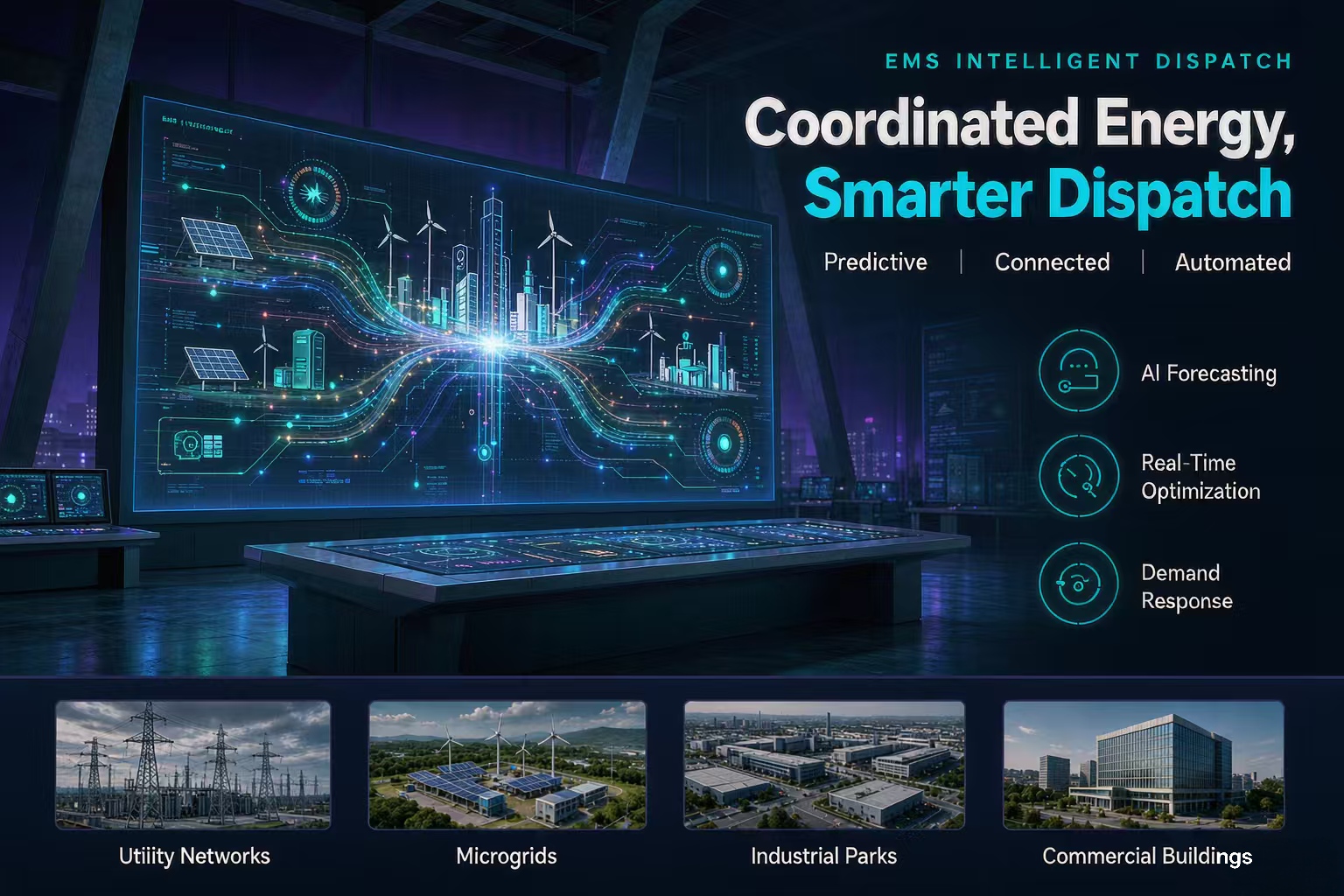
Intelligent dispatch is increasingly relevant to utility networks, microgrids, industrial parks, commercial buildings and integrated renewable-energy installations. Future development is likely to combine AI-assisted forecasting, real-time optimization and automated demand response, while retaining operator oversight for abnormal conditions.
The development of EMS (Energy Management System) technology is moving toward coordinated, data-driven energy decisions. Its effectiveness will depend on data quality, equipment compatibility, appropriate control strategies and the ability to balance operating costs with safety and power-supply reliability.