Energy Storage Equipment Gains a Larger Role in Intelligent Power Systems
Storage Becomes a Flexible Element of Modern Electricity Systems
The rapid digitalization of electricity networks is changing the function of energy storage from a backup resource into a flexible asset that can respond to changing generation and consumption. The International Energy Agency reports that 108 GW of new battery storage capacity was deployed worldwide in 2025, around 40% more than in 2024. Cumulative battery-storage capacity has increased about elevenfold since 2021, while utility-scale installations represented roughly 80% of new capacity added last year.
Intelligent Control Improves Energy Flexibility
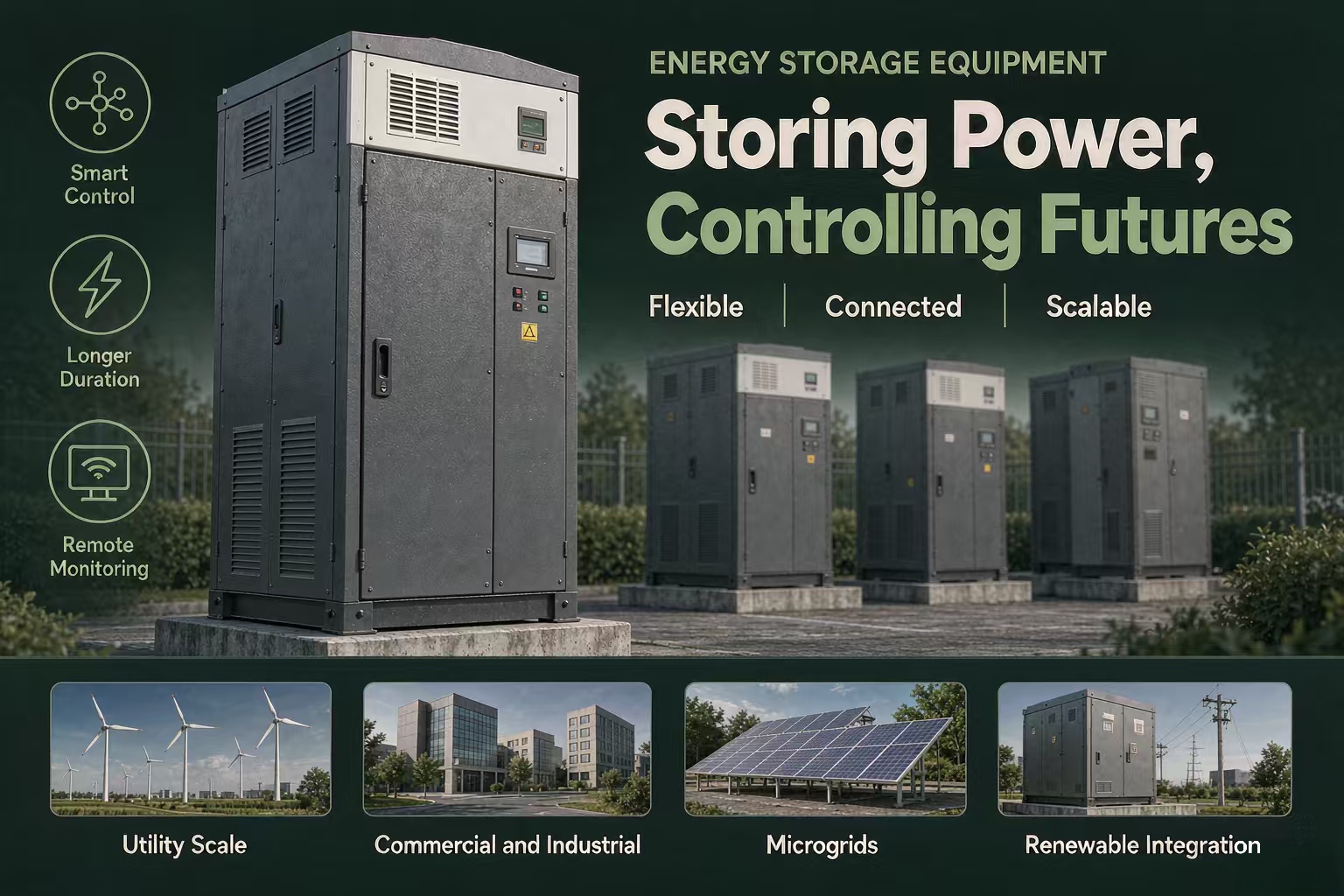
Modern Energy Storage Equipment can support automated charging, discharging and power-management strategies based on electricity demand, generation forecasts and grid conditions. This capability is becoming increasingly relevant as solar and wind generation introduce greater variability into electricity supply.
Storage duration is also changing. The IEA reports that although two-hour systems remain common, an increasing number of projects are being designed for four hours or more, reflecting the growing value of shifting electricity between periods of lower and higher demand. Such systems can support renewable-energy shifting, frequency response, reserve capacity and local load management.
Data and Automation Expand Application Scenarios
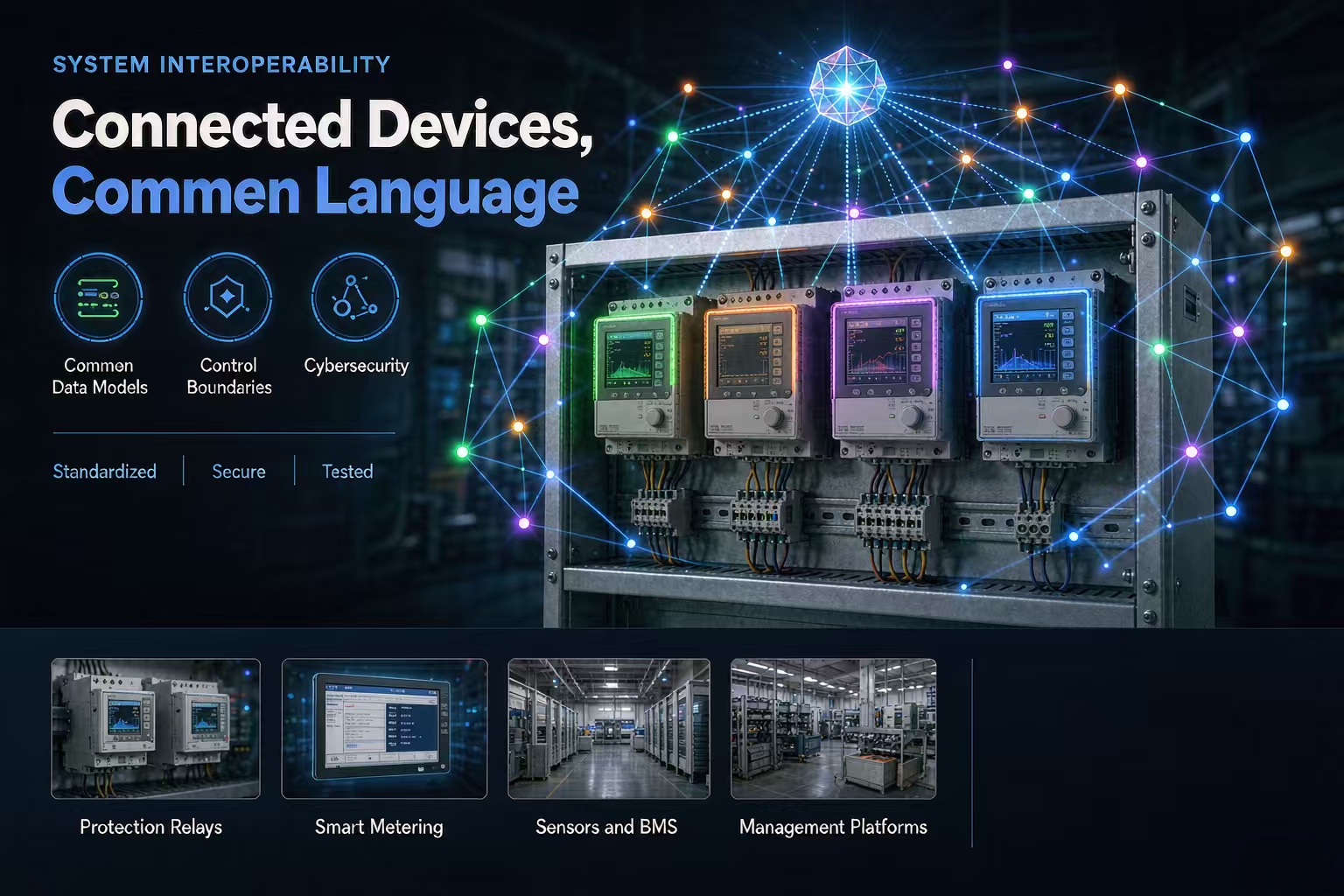
The contribution of storage to intelligent power management increasingly depends on its ability to exchange operational data. Battery-management systems, sensors and energy-management platforms can monitor temperature, voltage, state of charge and power output in real time. These functions can support predictive maintenance and allow operating strategies to be adjusted according to changing conditions.
Applications are becoming more diverse. Utility-scale systems can provide grid flexibility, while commercial and industrial installations can manage demand peaks or improve the use of locally generated electricity. Remote microgrids can use storage to balance intermittent generation and maintain supply during periods when conventional grid support is unavailable.
Storage Capacity Needs Continue to Grow
The IEA estimates that global energy-storage capacity needs to reach 1,500 GW by 2030 to support rapid renewable deployment, with batteries accounting for around 1,200 GW in its net-zero scenario.
This growth suggests that the value of storage will increasingly come from how effectively hardware, software and grid controls work together. For the electrical industry, Energy Storage Equipment is becoming an important component of intelligent energy infrastructure, with future development likely to focus on faster response, safer operation, longer-duration performance and more sophisticated digital control.