
Grid Connection Capacity Emerges as a Key Challenge for Renewable Energy Projects
Generation Growth Exposes Infrastructure Bottlenecks
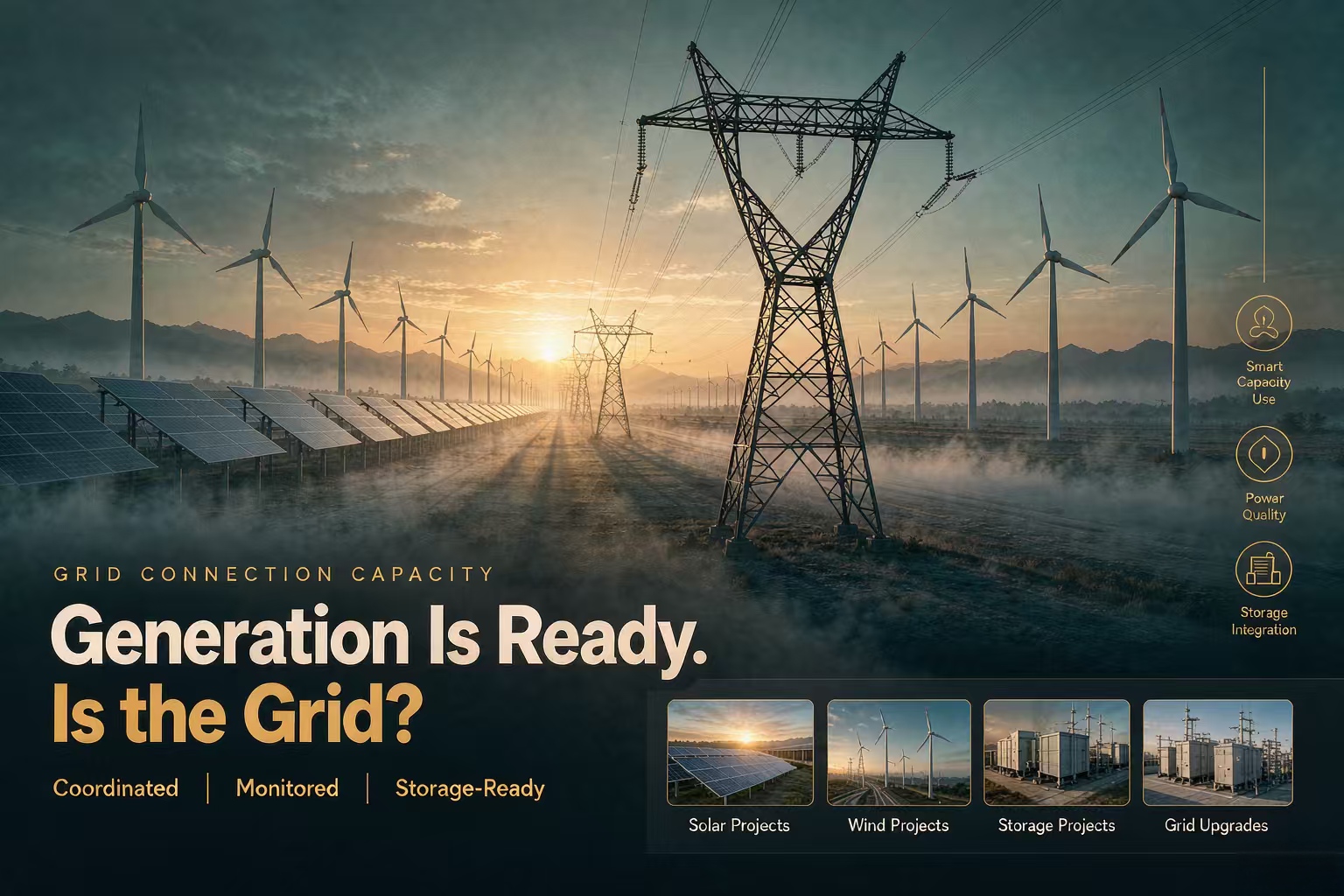
The rapid expansion of renewable energy is shifting attention from power generation capacity to the infrastructure required to deliver electricity to consumers. Solar and wind projects can progress faster than the transmission networks needed to connect them, creating a widening gap between construction schedules and grid availability. According to the International Energy Agency, at least
Substation Capacity Becomes a Critical Design Consideration
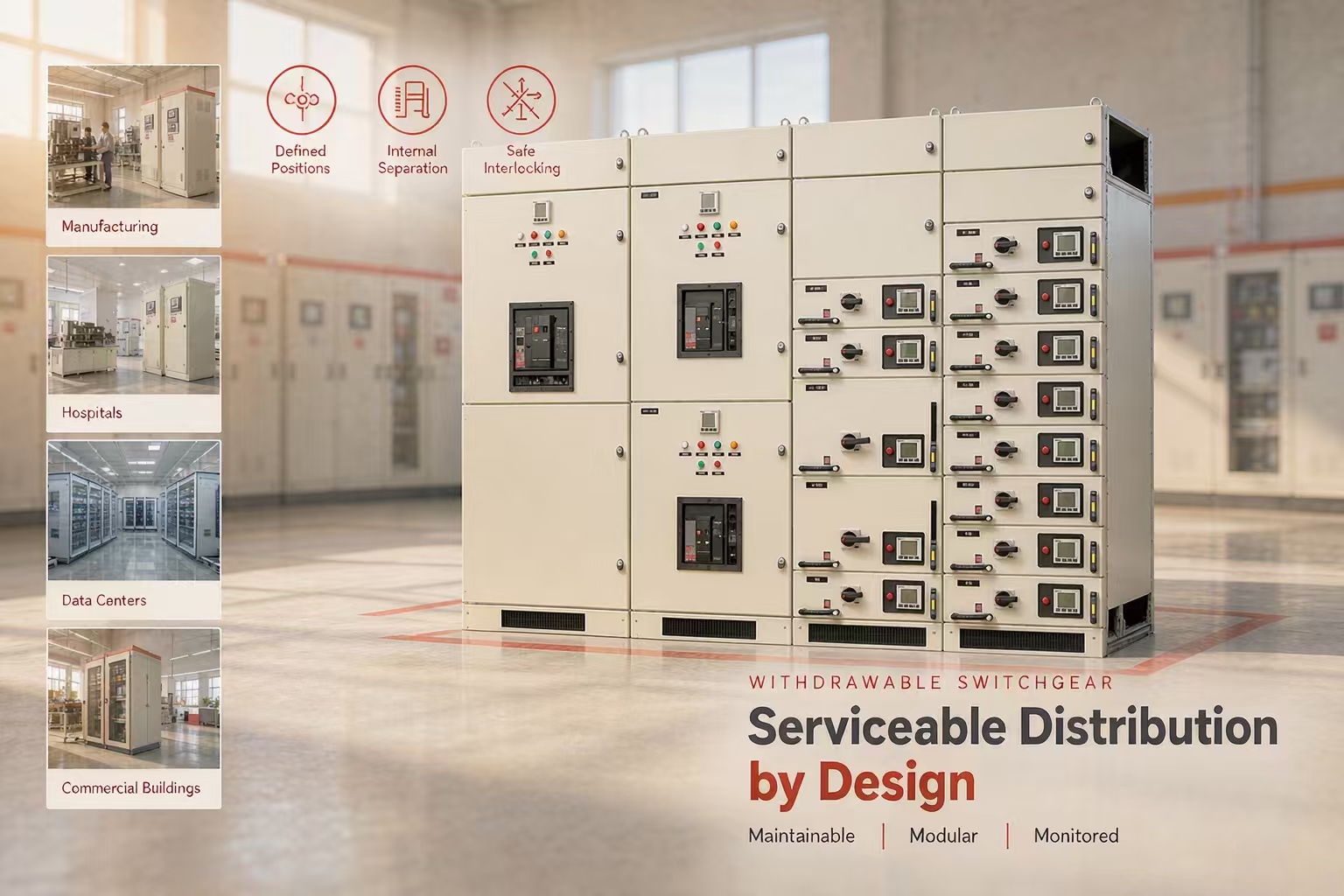
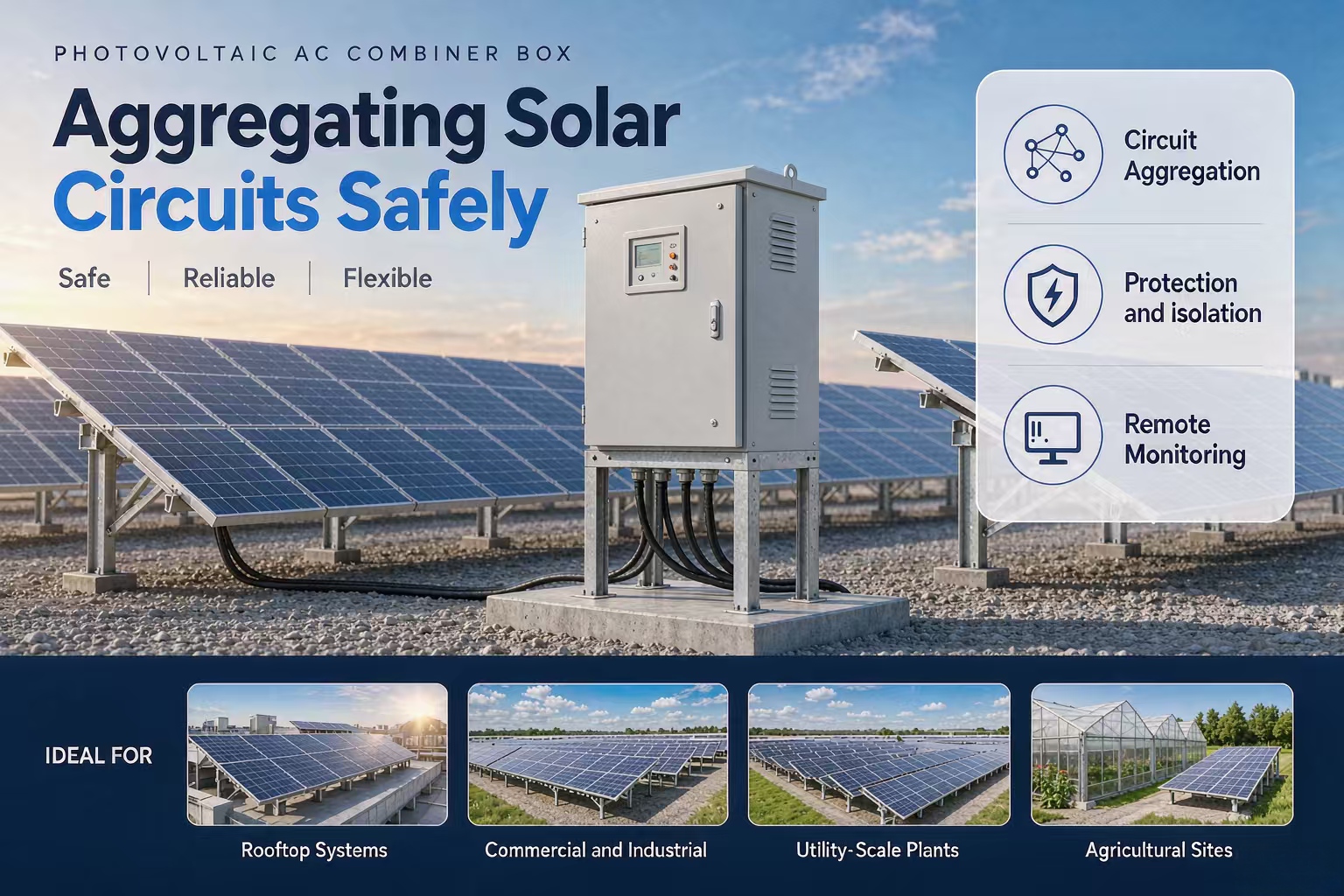
Connecting new generation requires more than a nearby transmission line. Transformers must accommodate the expected power flow, High-Voltage Switchgear must provide appropriate switching and fault isolation, and protection systems must coordinate with the existing network. At the distribution interface, a Photovoltaic Grid Connected Cabinet can integrate relevant switching, protection and measurement functions according to project specifications.
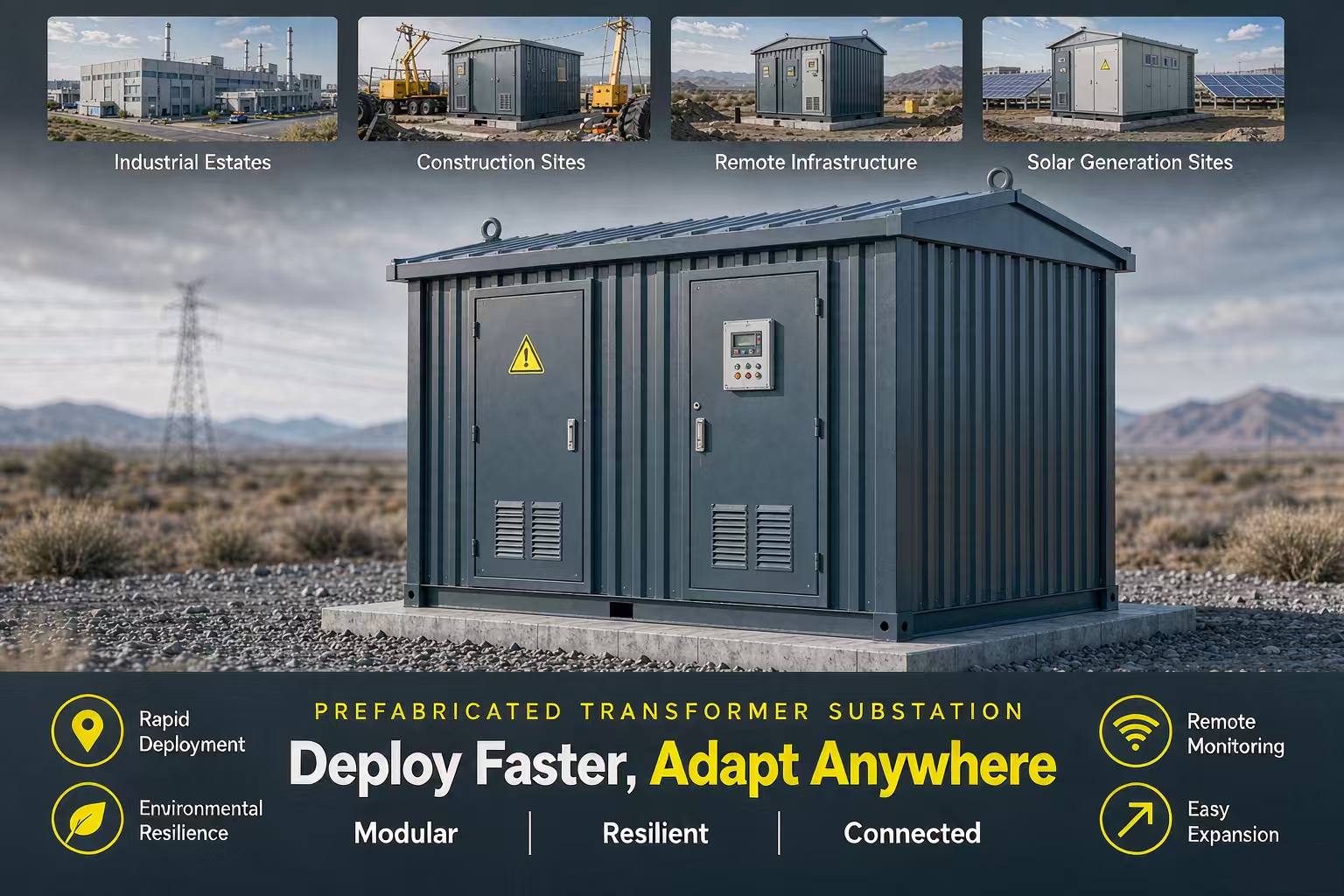
A Prefabricated Transformer Substation can help streamline on-site construction through factory assembly and testing. However, faster installation alone cannot resolve insufficient upstream network capacity. Equipment configuration must therefore be based on grid studies, short-circuit levels, voltage regulation requirements and the available connection capacity at the intended location.
Existing Networks Need Smarter Capacity Management
Building new transmission infrastructure remains essential, but it can take considerably longer than developing generation projects. The IEA estimates that planning, permitting and completing grid infrastructure can take five to 15 years, compared with approximately one to five years for solar and wind projects. Its analysis also suggests that dynamic line ratings, network topology optimisation and advanced power-flow control could enable up to
These measures can improve the utilisation of existing assets while longer-term network upgrades proceed.
Storage and Monitoring Support Reliable Integration
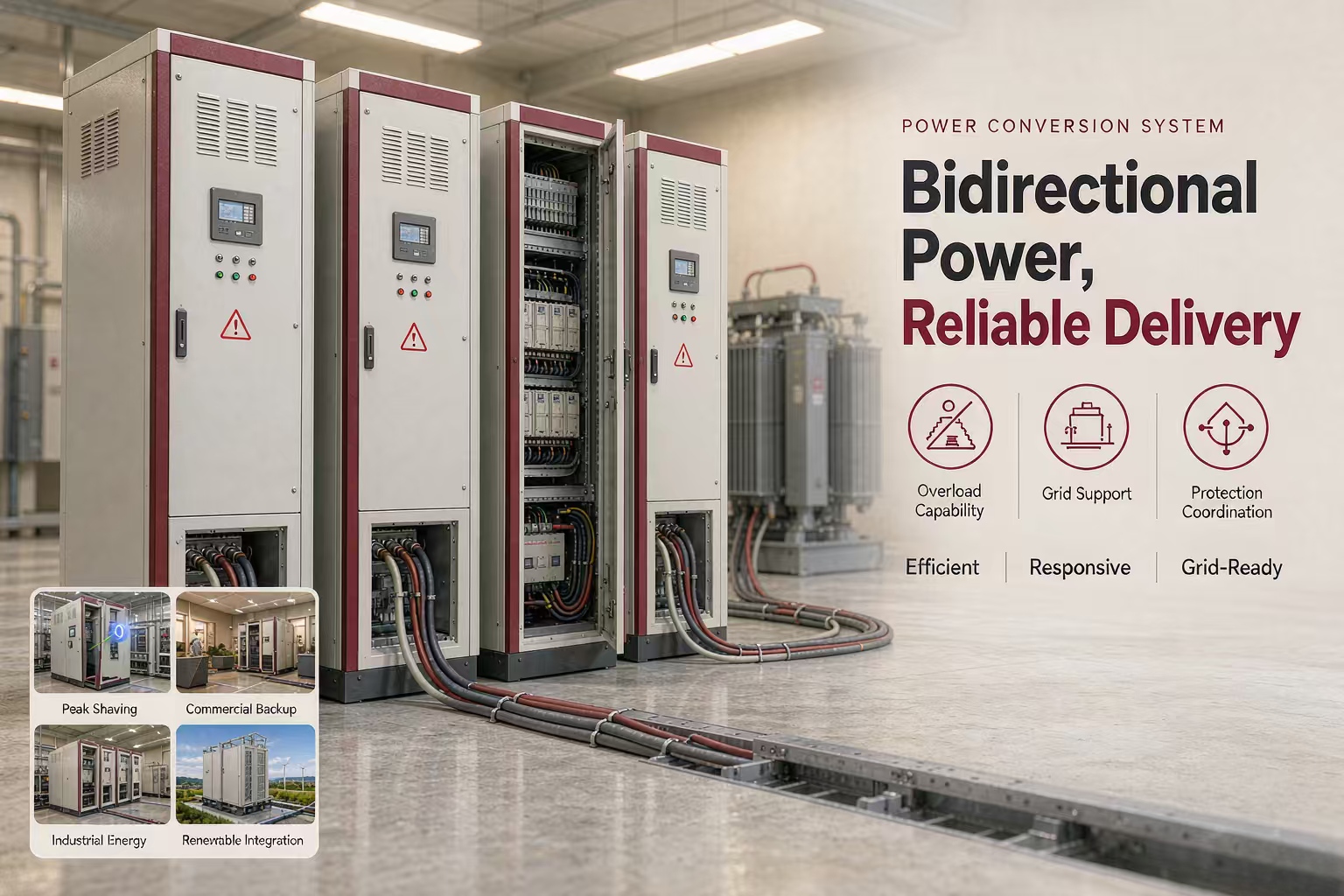
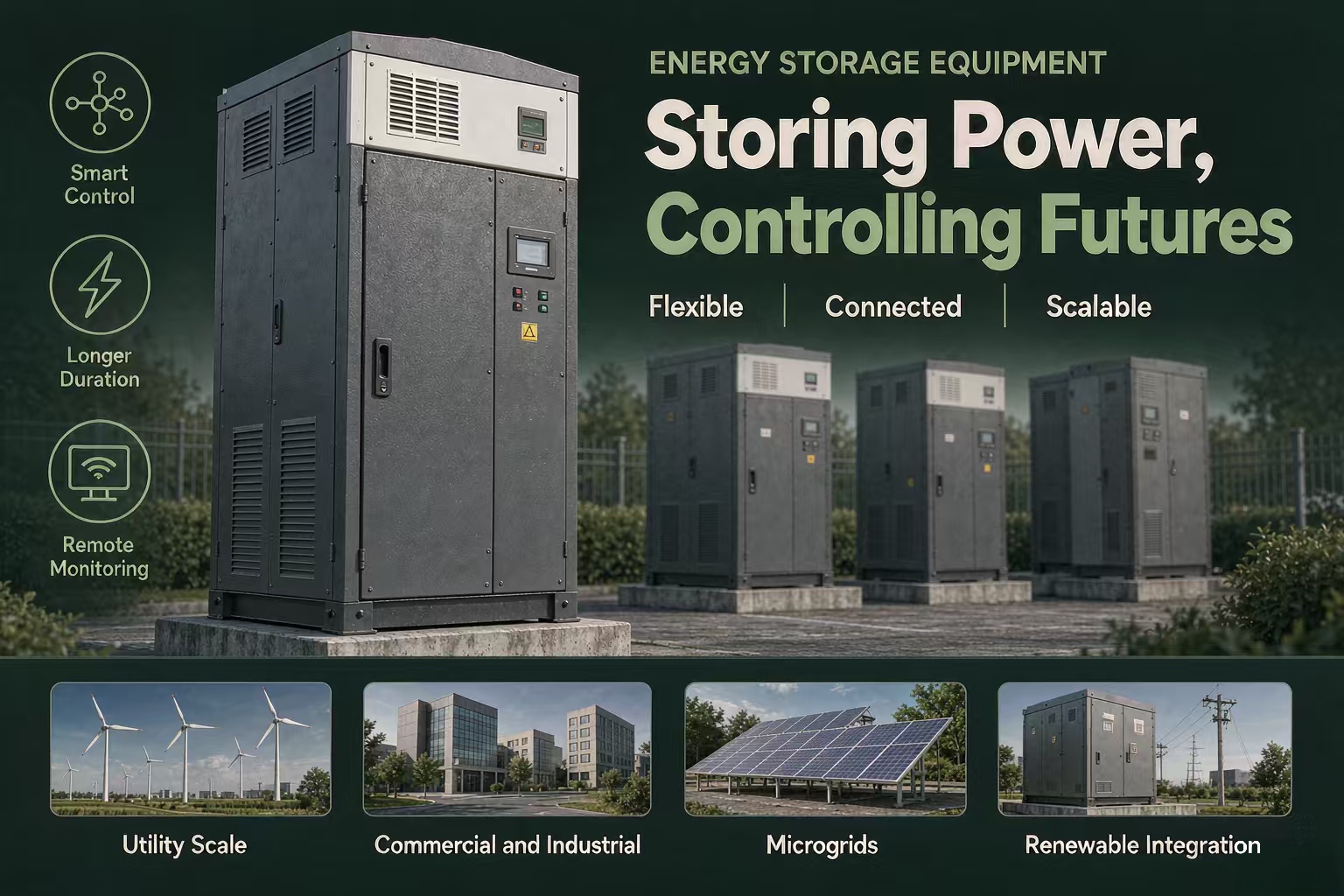
Battery storage can absorb surplus renewable output and shift electricity delivery to periods when network capacity or demand conditions are more favourable. Its effectiveness depends on location, available capacity, charging schedules and coordination with grid operators.
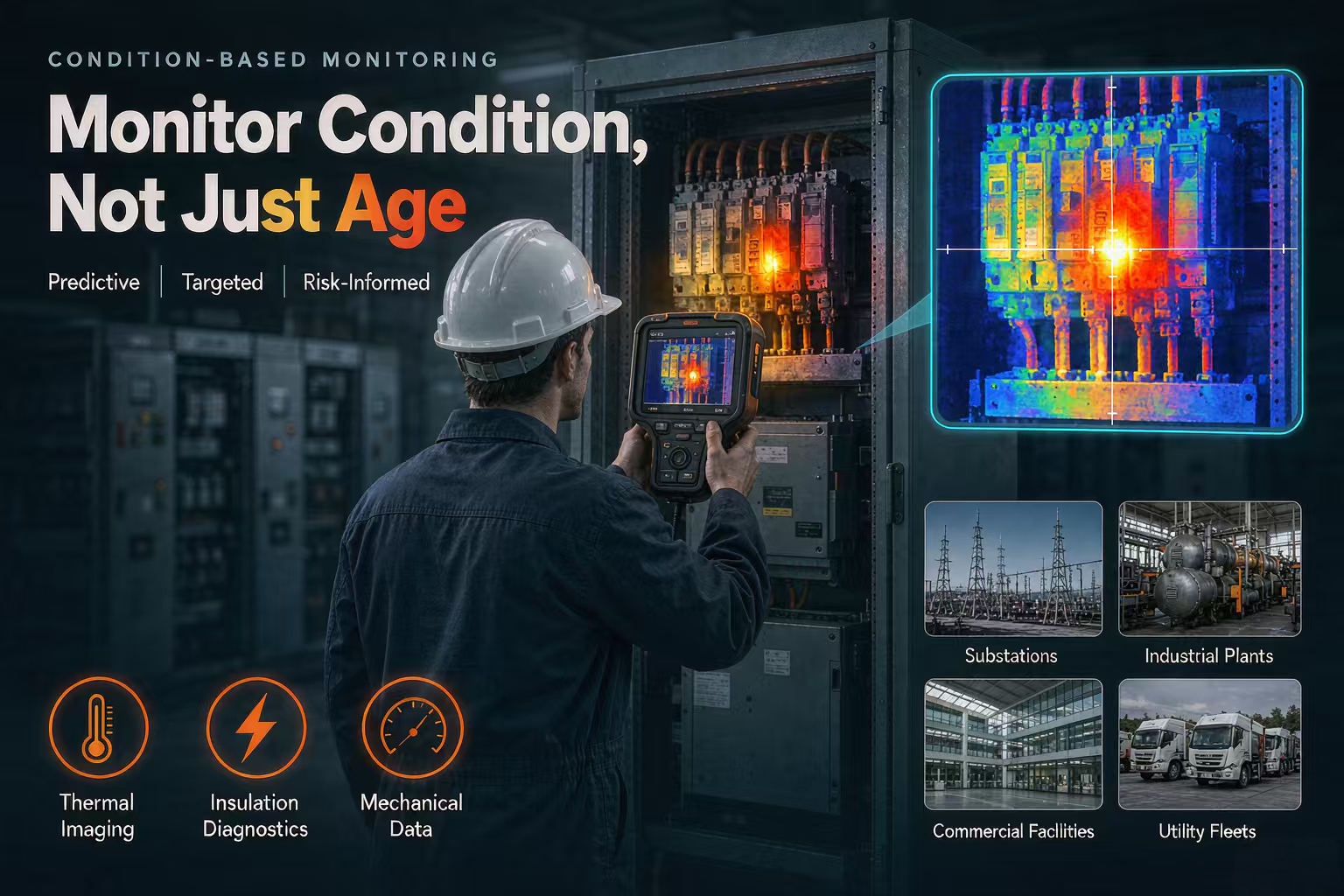
Meanwhile, power-quality monitoring and digital protection systems can help detect voltage fluctuations, harmonics and abnormal operating conditions during connection and operation. These functions are particularly relevant as variable renewable generation becomes a larger part of the electricity mix.
Grid connection is consequently becoming a system-level engineering challenge rather than a final installation step. Successful projects will depend on coordinating generation equipment, substations, protection systems, storage and network capacity from the earliest design stages.