High-Density Electrical Design Reshapes the Selection of Energy Storage Equipment
Energy Storage Moves Toward Higher Density
The rapid expansion of grid-scale and behind-the-meter storage is changing how electrical systems are designed and selected. As available land and equipment-room space become important project constraints, developers are increasingly evaluating energy systems by usable capacity per unit of space rather than installed capacity alone. The International Energy Agency reports that 108 GW of new battery storage capacity was deployed globally in 2025, around 40% more than in 2024, while cumulative capacity has increased elevenfold since 2021.
Higher Integration Changes Technical Priorities
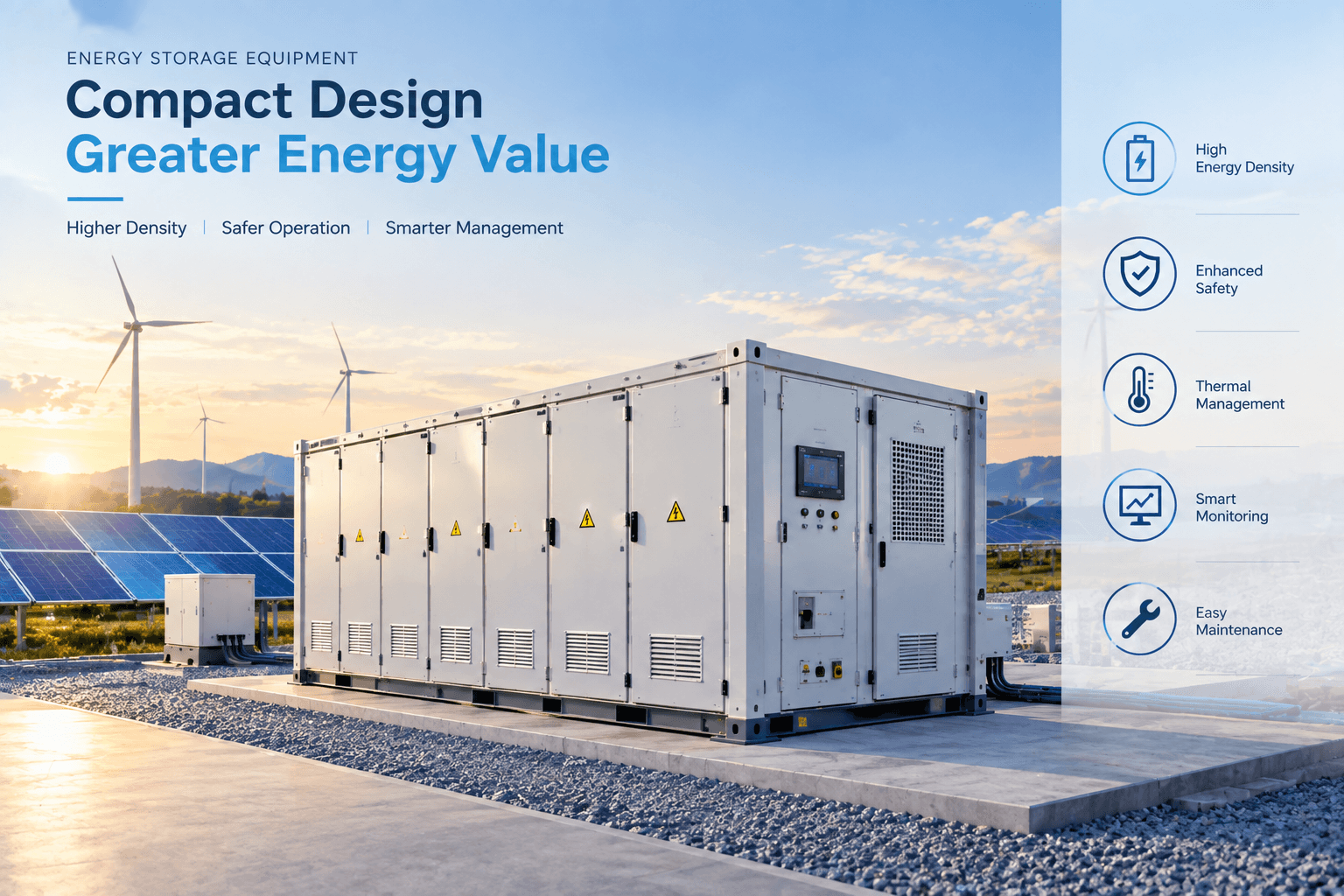
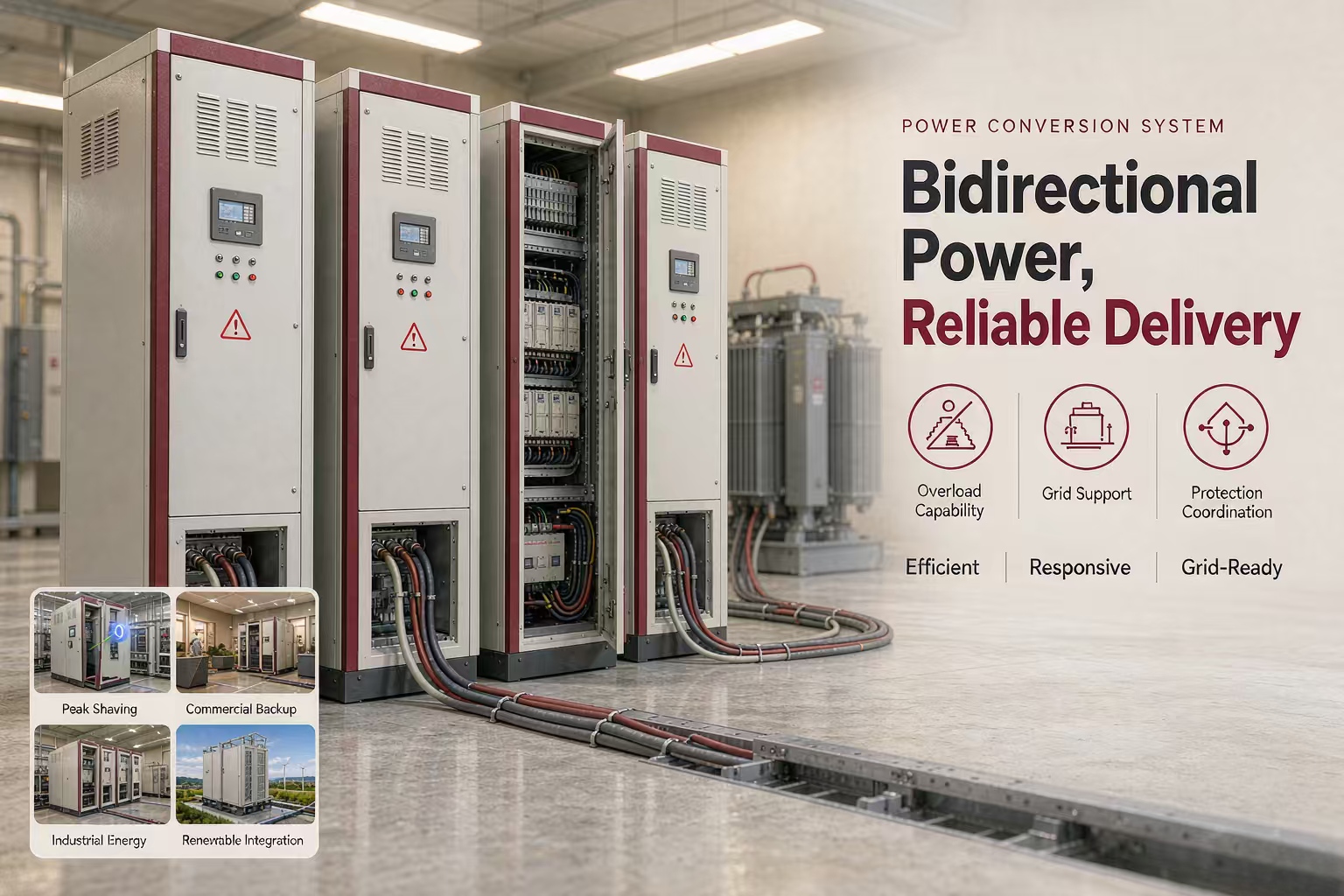
Miniaturized electrical equipment requires closer coordination between battery modules, power-conversion units, protection devices and thermal-management systems. Increasing energy density can reduce the overall footprint, but it also concentrates heat and raises the importance of temperature control, ventilation, fire protection and system monitoring.
Battery chemistry is another selection factor. In 2025, lithium-iron phosphate (LFP) batteries represented around 90% of global battery-storage deployments, reflecting their cost and cycling characteristics despite having lower energy density than some alternative chemistries. System designers therefore need to balance energy density with lifetime, operating temperature, safety requirements and expected cycling patterns.
Application Determines the Appropriate Configuration
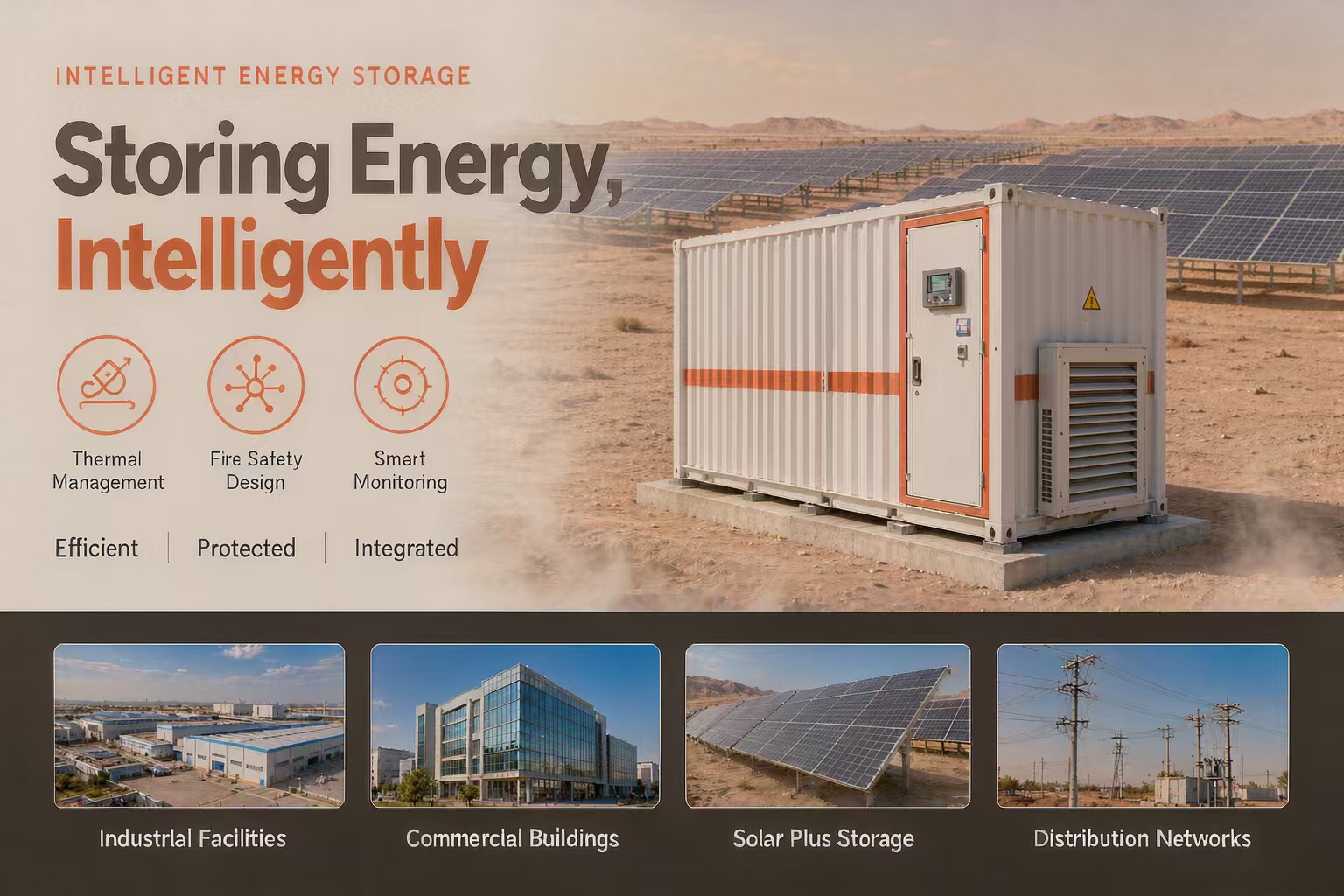
Different applications place different priorities on compact storage design. Urban commercial sites may place greater emphasis on footprint and noise management, while industrial facilities can prioritize high power output, rapid response and ease of maintenance. Utility-scale installations generally require scalable architectures, coordinated protection and clear access for inspection and replacement.
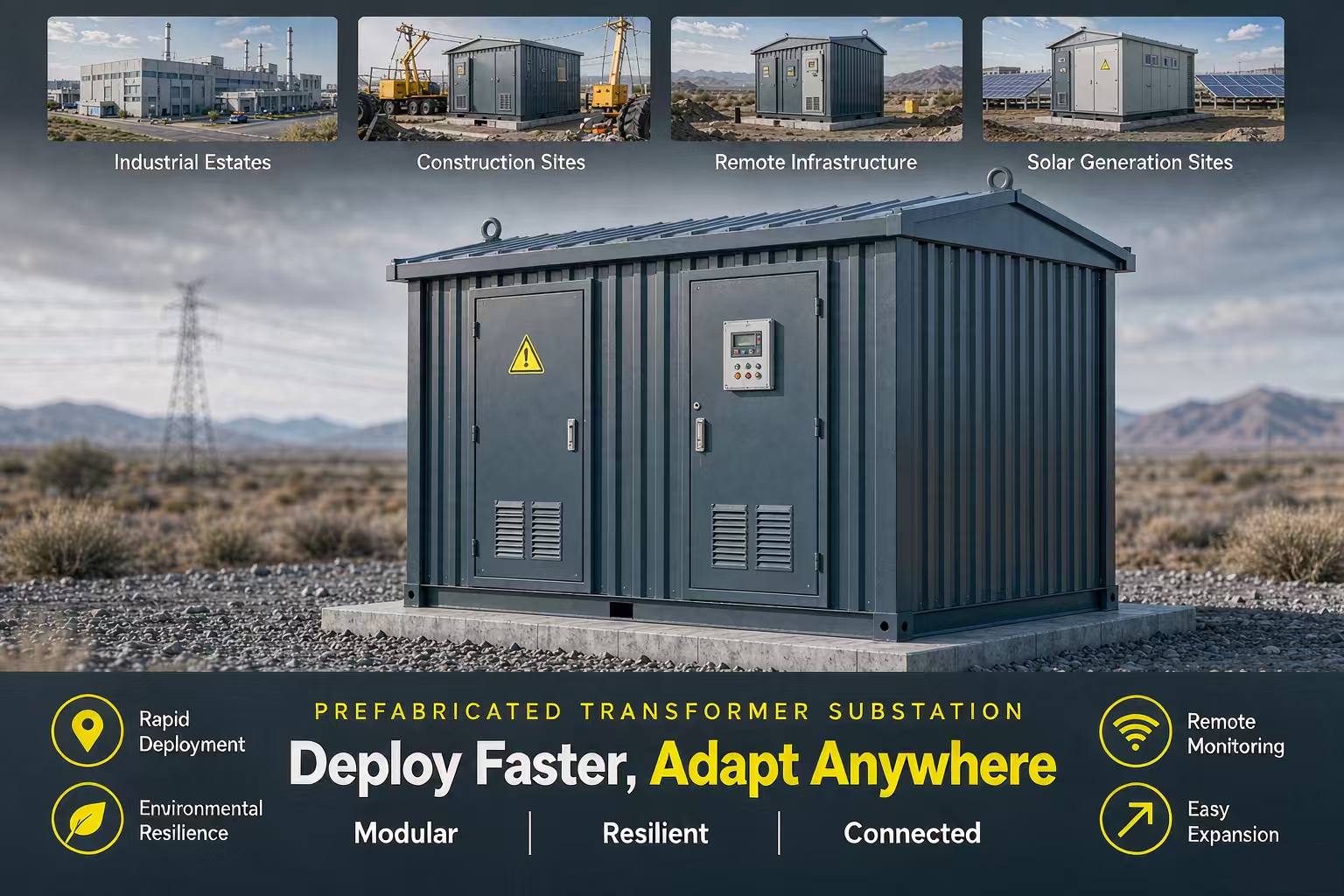
For remote installations, equipment may also need to tolerate temperature variation, dust and limited maintenance resources. These factors mean that miniaturization does not necessarily mean simply reducing cabinet dimensions; internal layout, thermal pathways and service access must be considered together.
Safety and Digital Management Become Essential
Safety requirements are also becoming more structured as storage density increases. IEC 62933-5-2:2025 establishes safety requirements for grid-integrated electrochemical energy-storage systems across their lifecycle, from design through end-of-service management.
Meanwhile, digital monitoring is becoming increasingly important for high-density installations. Temperature, voltage, state of charge and equipment status can be monitored continuously, supporting early fault detection and condition-based maintenance.
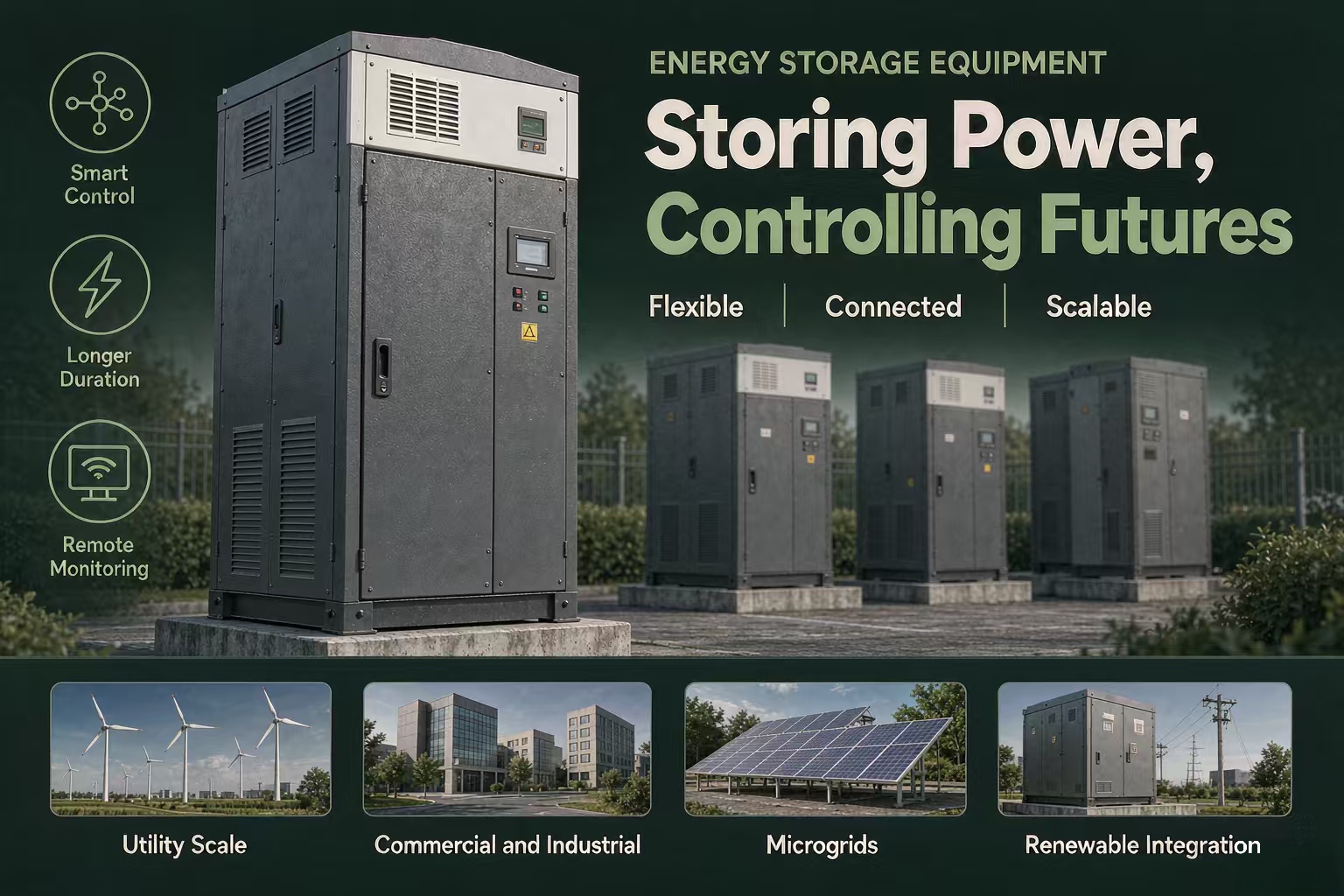
The industry is therefore moving toward more compact and integrated configurations, but selection remains application-specific. For Energy Storage Equipment, the most relevant criteria increasingly include energy density, thermal performance, safety architecture, monitoring capability, maintainability and future scalability rather than physical size alone.