Intelligent Energy Storage Systems Strengthen Modern Distribution Infrastructure
Distribution Sites Gain Greater Operational Flexibility
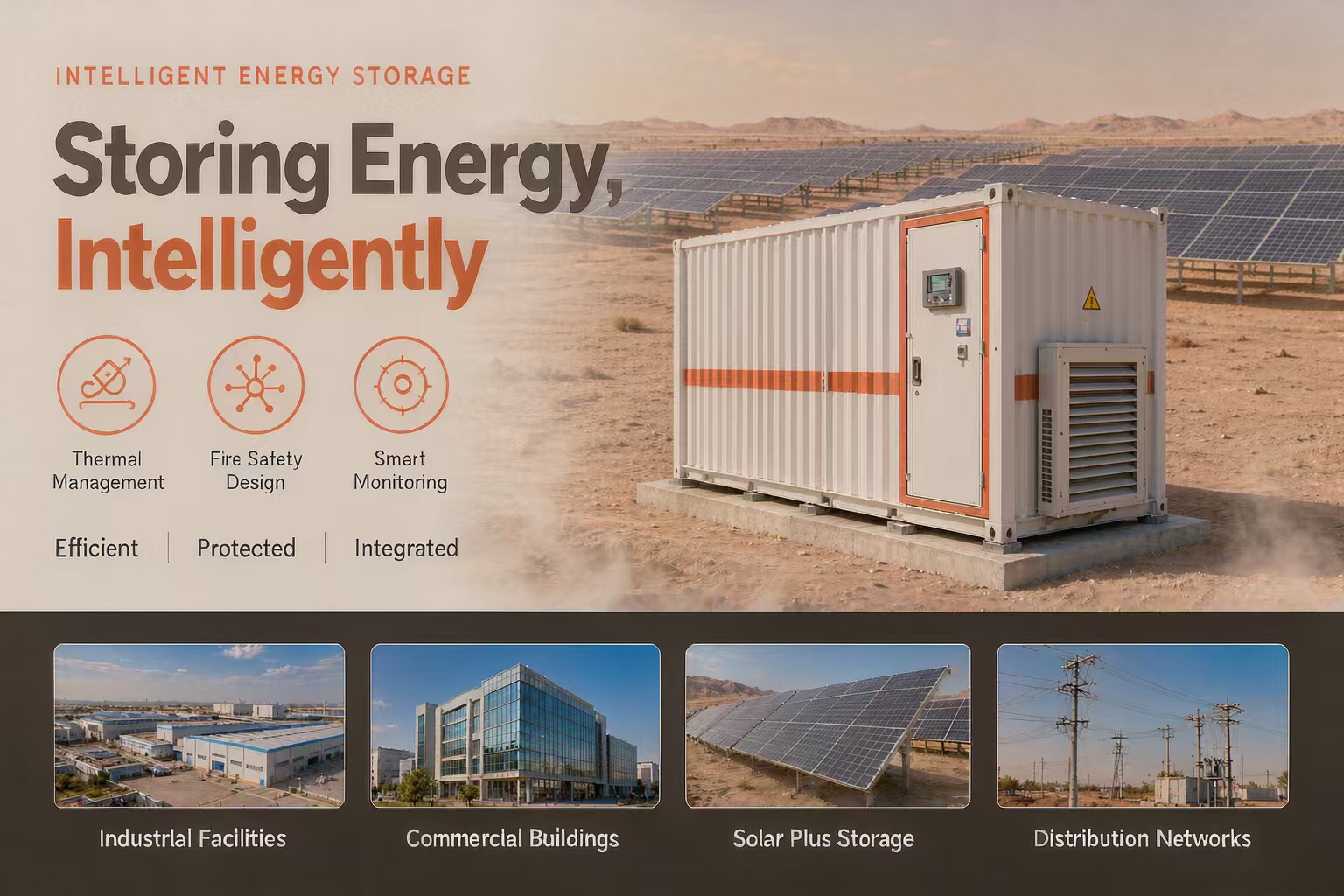
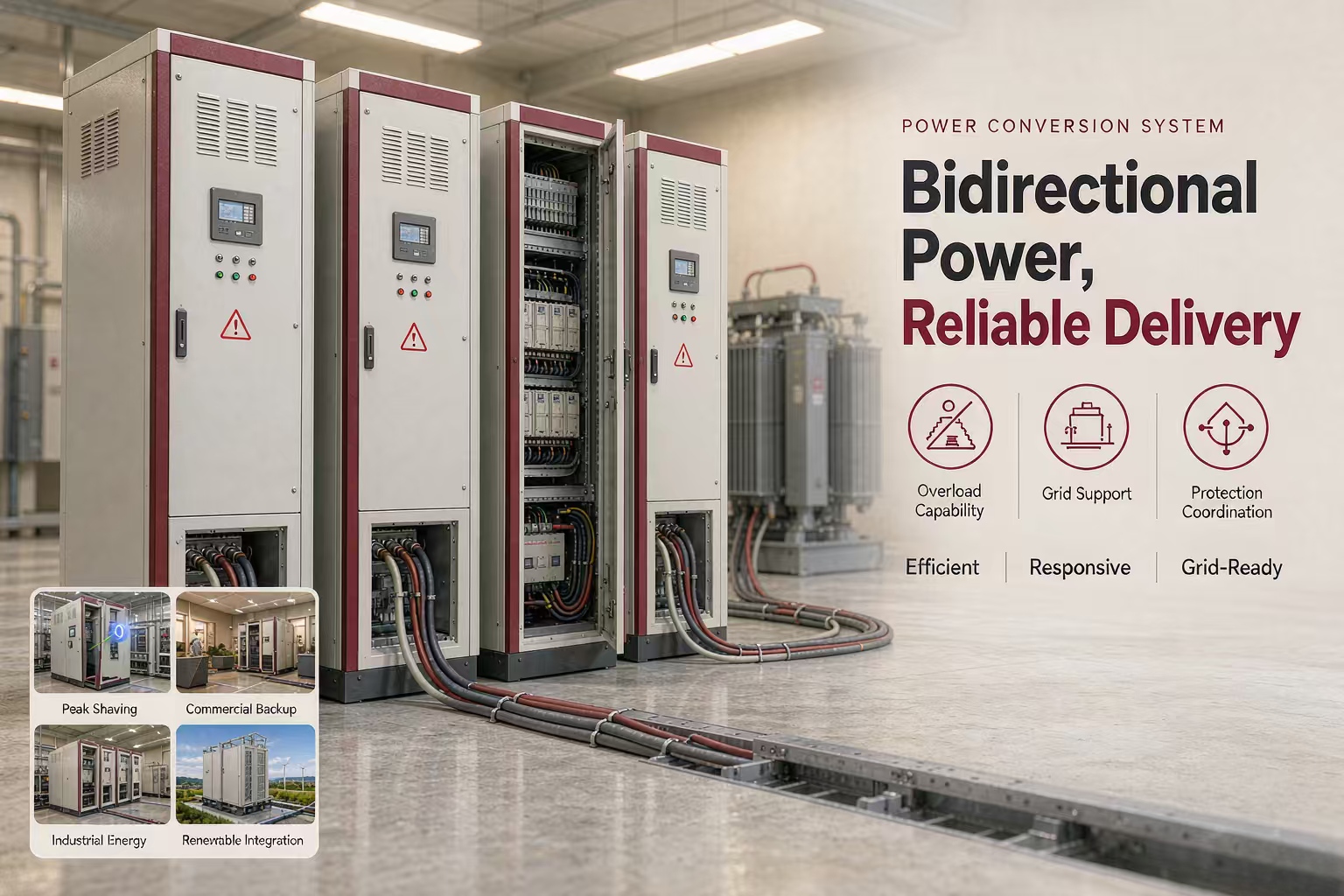
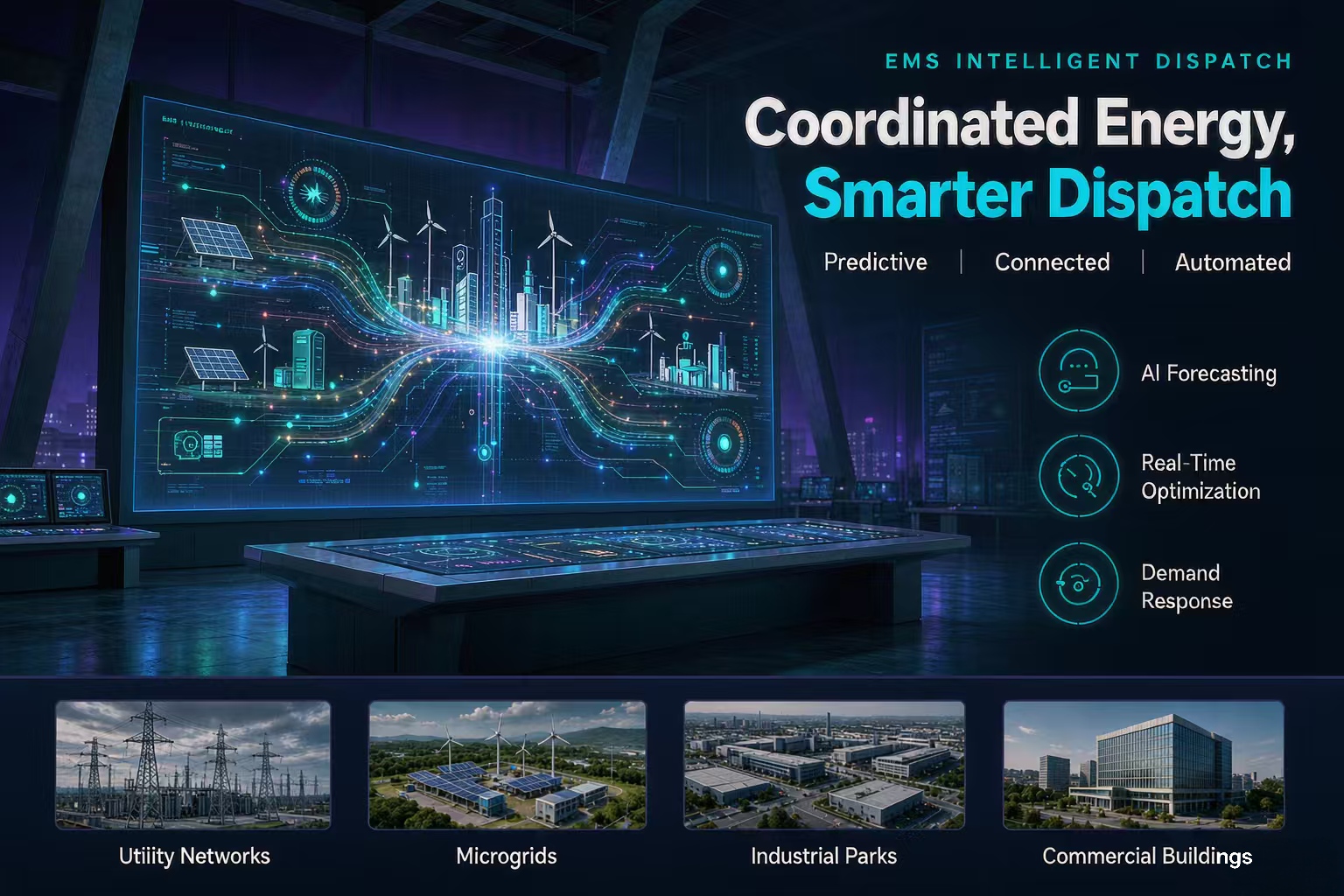
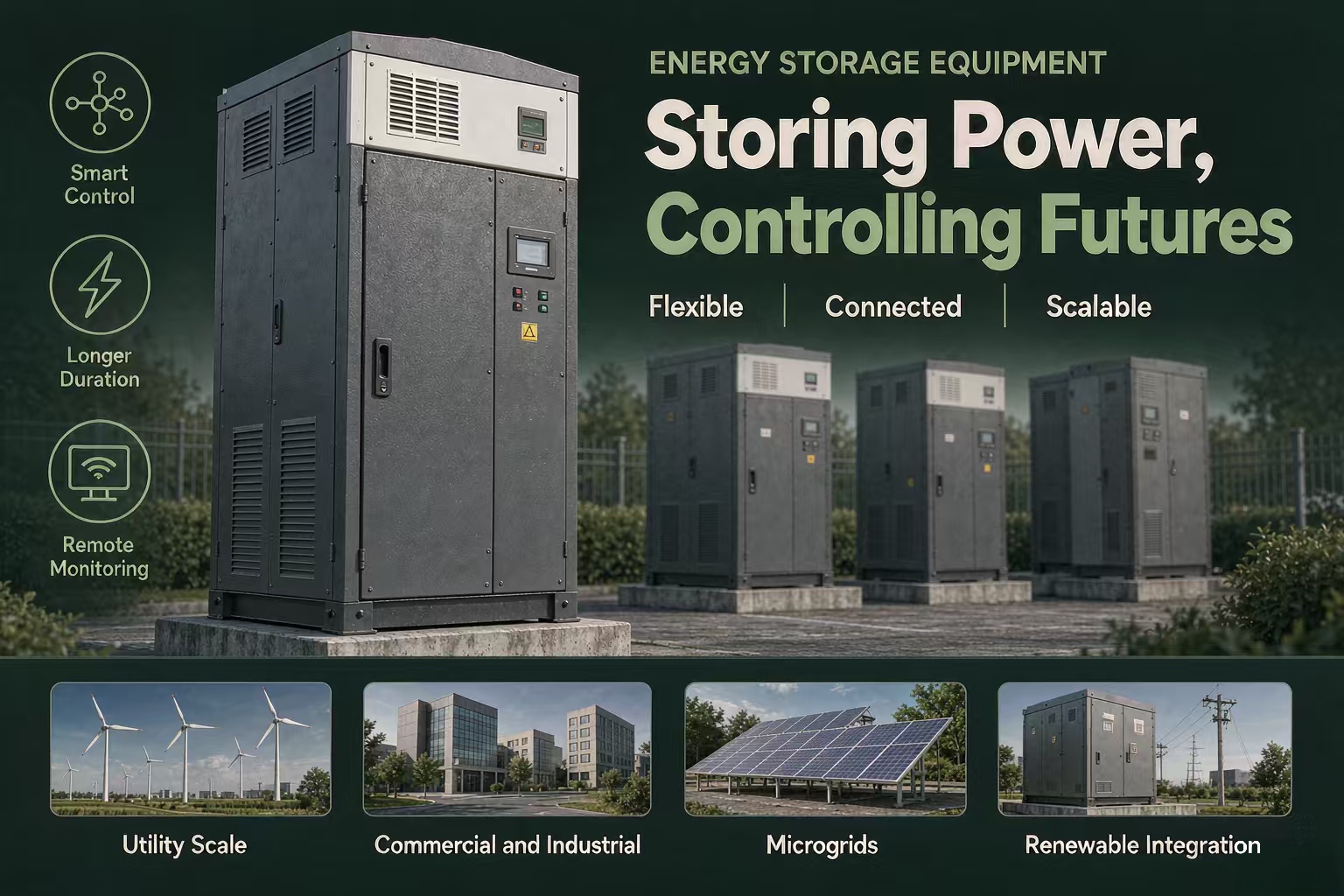
As commercial buildings, industrial parks and distributed power networks face increasingly variable electricity demand, storage is becoming an important component of modern distribution infrastructure. An Intelligent Energy Storage System can store electricity during periods of lower demand and release it when consumption rises, supporting peak-load management, backup power and renewable-energy utilization.
According to the International Energy Agency, global battery storage deployment reached 108 GW of new capacity in 2025, an increase of 40% compared with 2024. Approximately 80% of this new capacity was installed in utility-scale applications, reflecting the growing role of storage in electricity networks. (IEA, Global Energy Review 2026)
Battery Chemistry and Cycle Life Determine Long-Term Value
Battery selection depends on the operating profile, required energy density, cost and expected service life. Lithium iron phosphate (LFP) batteries are widely used in stationary storage because of their cost and cycling characteristics, while nickel manganese cobalt (NMC) batteries offer higher energy density in some configurations. Flow batteries may be considered for applications requiring longer-duration storage.
Cycle life must be evaluated alongside depth of discharge, temperature and charging rates. A 2022 US Department of Energy assessment estimated approximately 2,400 cycles for LFP and 1,520 cycles for NMC at an 80% depth of discharge under its modelling assumptions, before available energy fell below 80% of rated capacity. These figures are indicative rather than universal guarantees; actual performance depends on cell design and operating conditions. (DOE energy storage assessment)
Protection and Thermal Management Are Essential
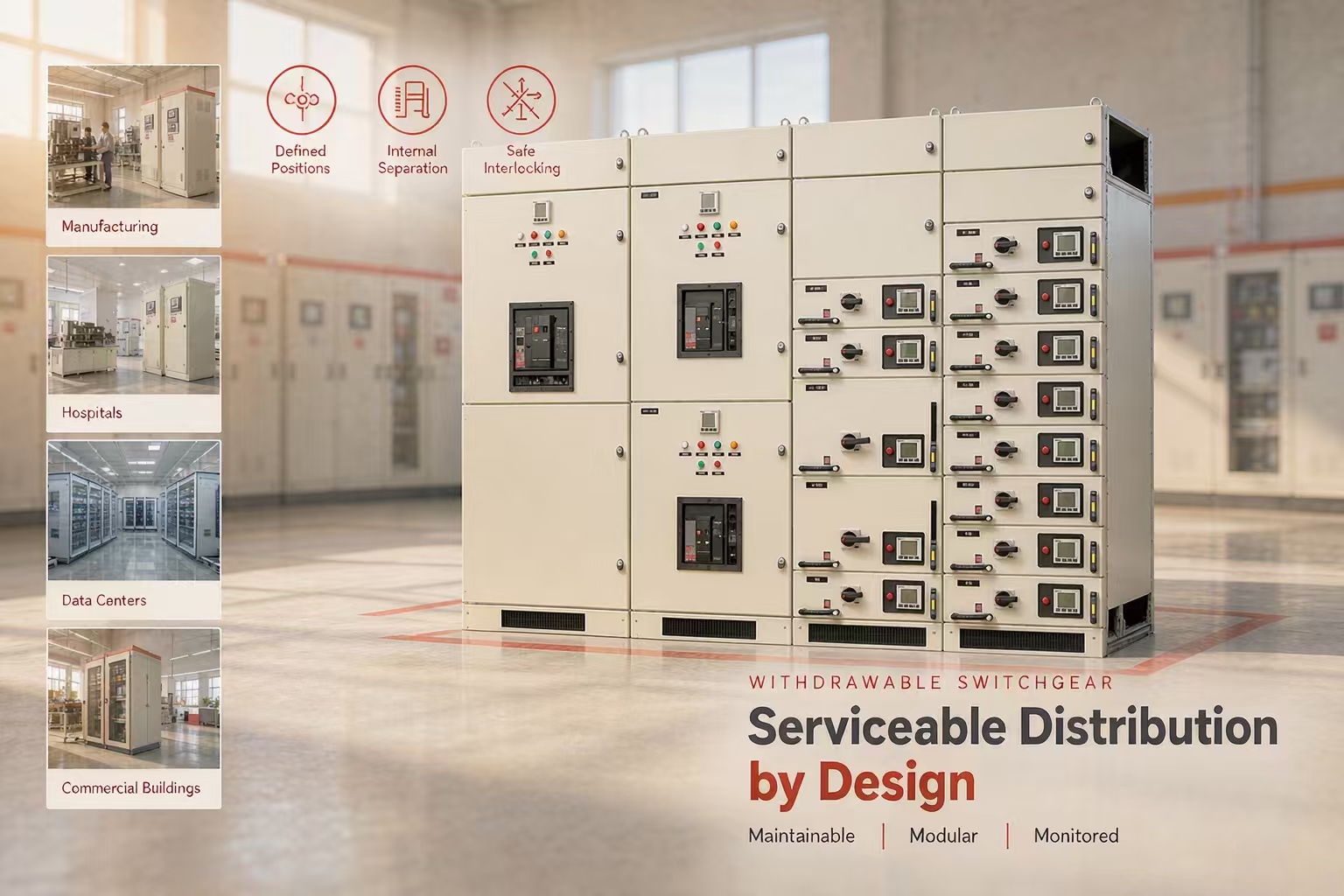
Equipment selection must account for short-circuit protection, electrical isolation, temperature control and fire-risk mitigation. The enclosure protection rating should also match the installation environment. Under IEC 60529, IP codes classify protection against solid-particle ingress and water ingress. Depending on exposure to dust, rain and water jets, an installation may require a rating such as IP54 or IP65; the appropriate specification must be determined from the actual site conditions. (IEC 60529)
The IEC 62933-5-2:2025 standard further addresses safety across the lifecycle of grid-connected electrochemical storage systems, from design through end-of-service management. (IEC 62933-5-2)
Applications Drive Intelligent System Design
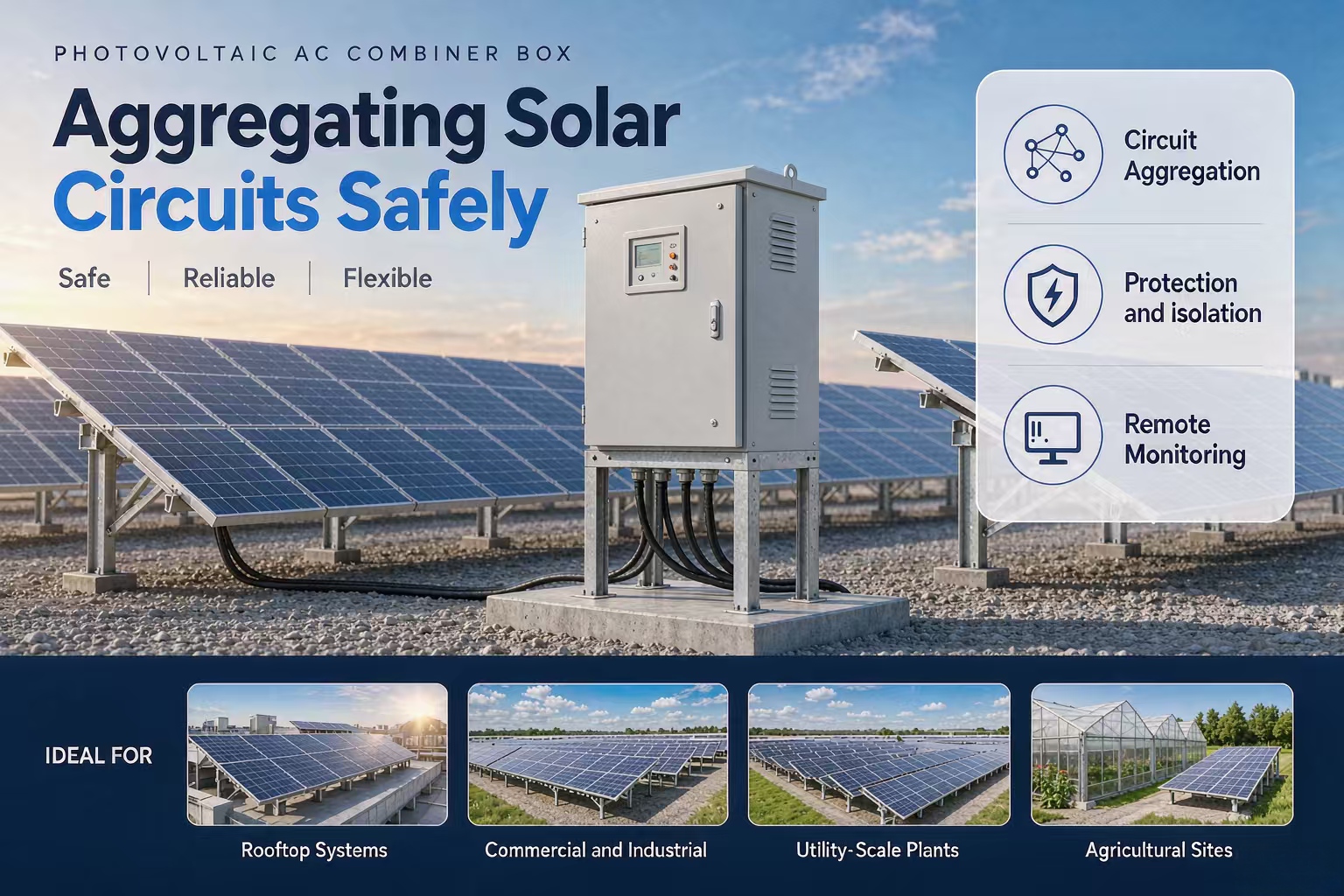
Industrial facilities can use storage to manage demand peaks and support critical equipment, while commercial buildings may prioritize electricity-cost management and emergency supply. Distribution networks incorporating solar generation can use storage to absorb surplus output and release energy when generation declines.
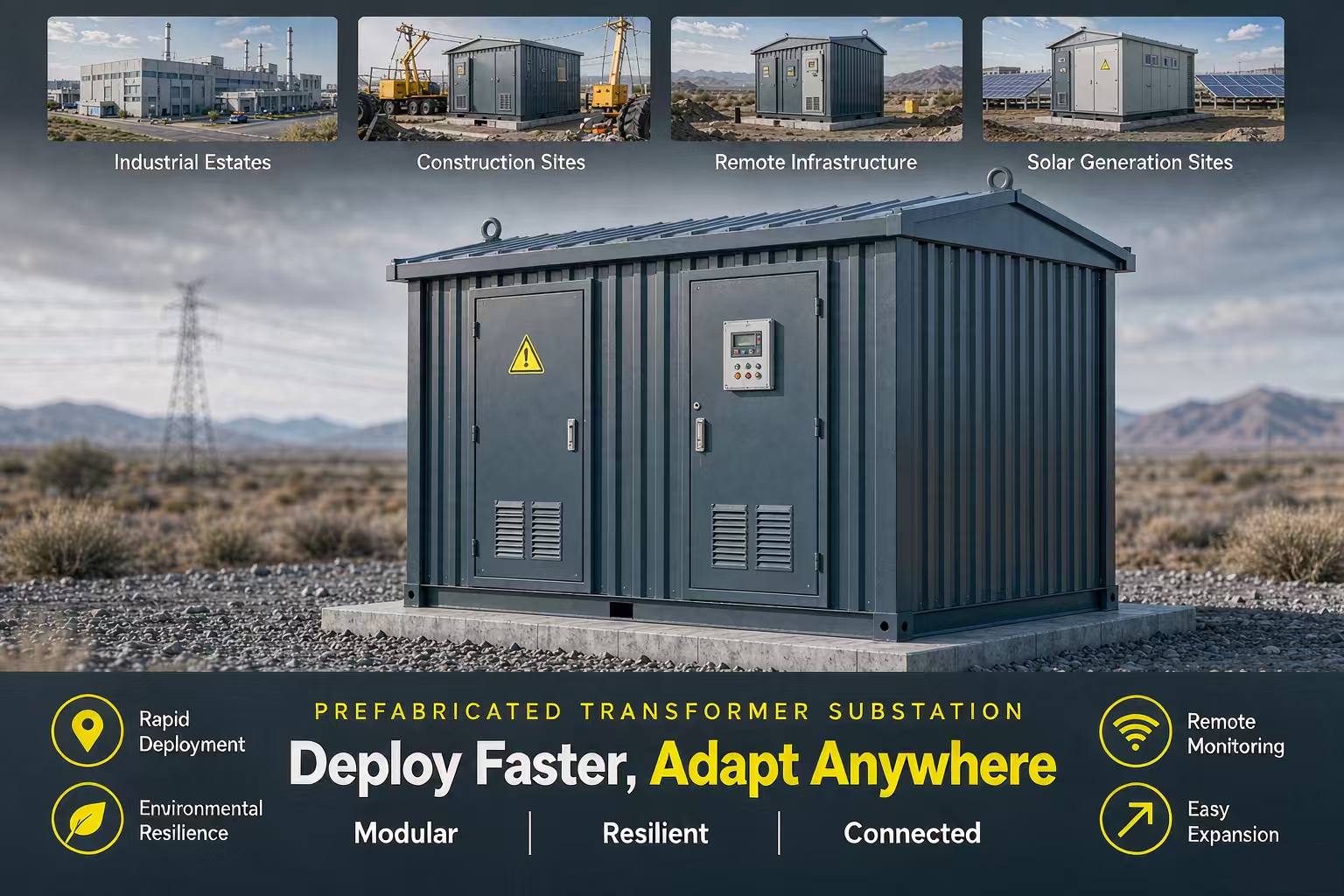
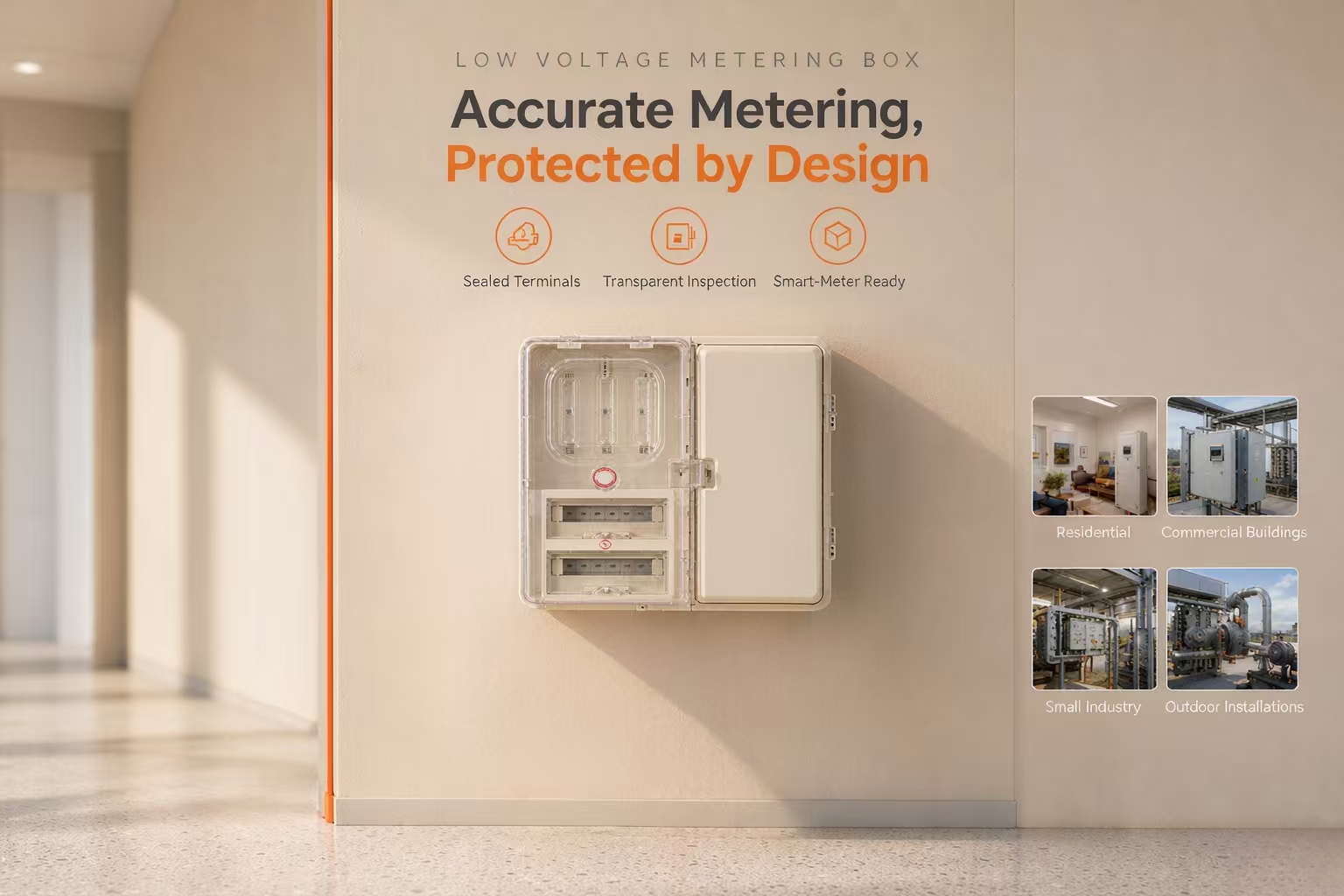
The development of the Intelligent Energy Storage System is therefore moving beyond battery capacity alone. Future selection increasingly depends on coordinated monitoring, predictive maintenance, suitable battery chemistry, cycle-life requirements, enclosure protection and integration with the site's electrical infrastructure.