
Intelligent Technologies Accelerate the Evolution of Energy Storage Equipment
Digital Intelligence Becomes Part of Storage Development
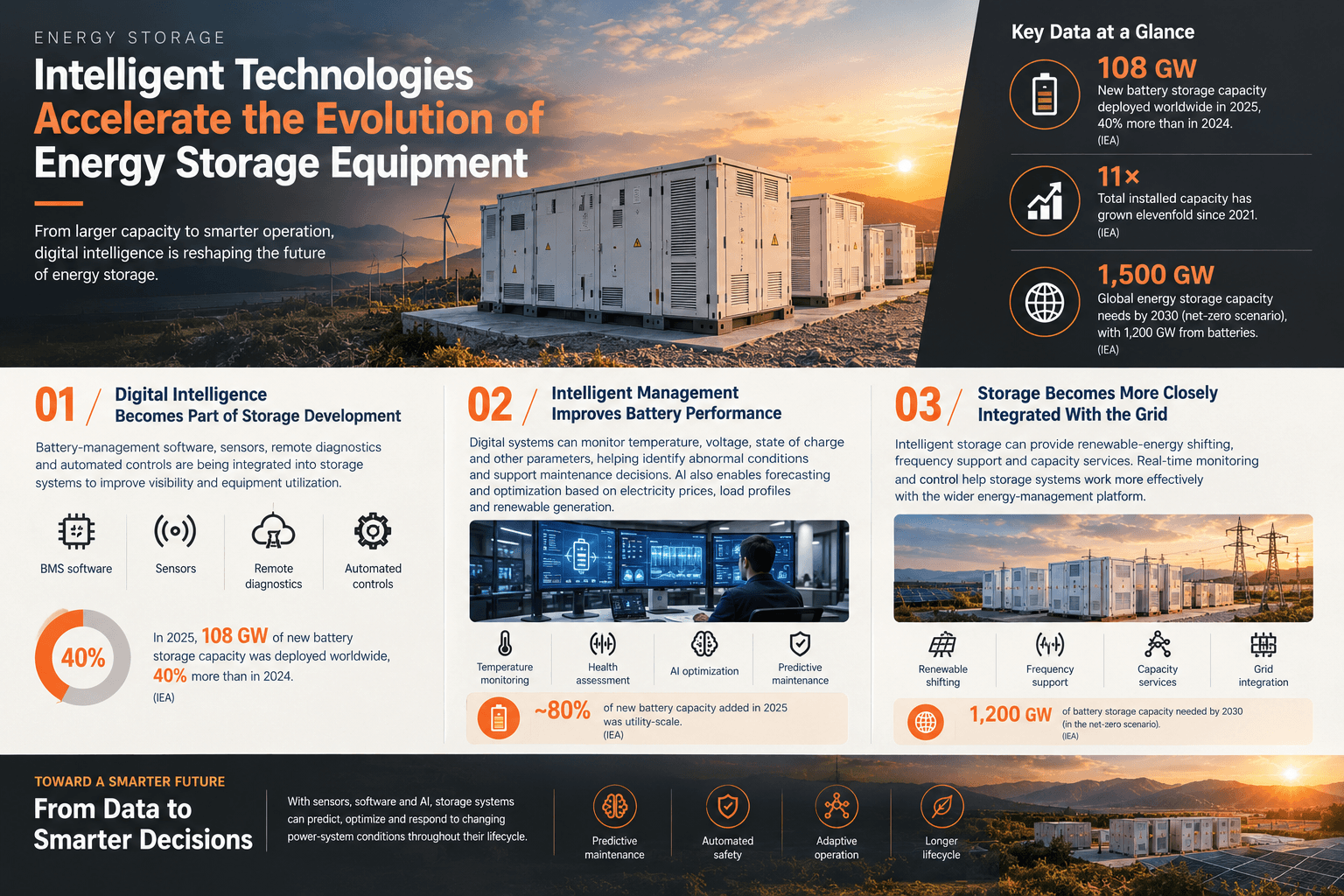
The energy storage sector is moving beyond capacity expansion toward more intelligent operation as battery systems become increasingly connected to power networks. Advanced battery-management software, sensors, remote diagnostics and automated controls are being incorporated into storage systems to improve operational visibility and equipment utilization. According to the International Energy Agency, 108 GW of new battery storage capacity was deployed worldwide in 2025, 40% more than in 2024, while total installed capacity has grown elevenfold since 2021.
Intelligent Management Improves Battery Performance
As storage installations become larger and more diversified, managing battery health has become a key technical consideration. Digital systems can continuously assess temperature, voltage, state of charge and other operating parameters, helping identify abnormal conditions and support maintenance decisions. The IEA reports that around 80% of new battery capacity added in 2025 was utility-scale, indicating a growing need for centralized monitoring and automated control across large installations.
Artificial intelligence is also beginning to influence energy storage management through forecasting and optimization. Algorithms can analyze electricity prices, load profiles and renewable generation to determine charging and discharging strategies. This can allow storage systems to respond more effectively to changing operating conditions rather than following fixed schedules.
Storage Becomes More Closely Integrated With the Grid
The expansion of renewable electricity is increasing the role of intelligent storage in power-system flexibility. The IEA estimates that global energy storage capacity needs to reach 1,500 GW by 2030 under its net-zero scenario, with battery storage accounting for around 1,200 GW.
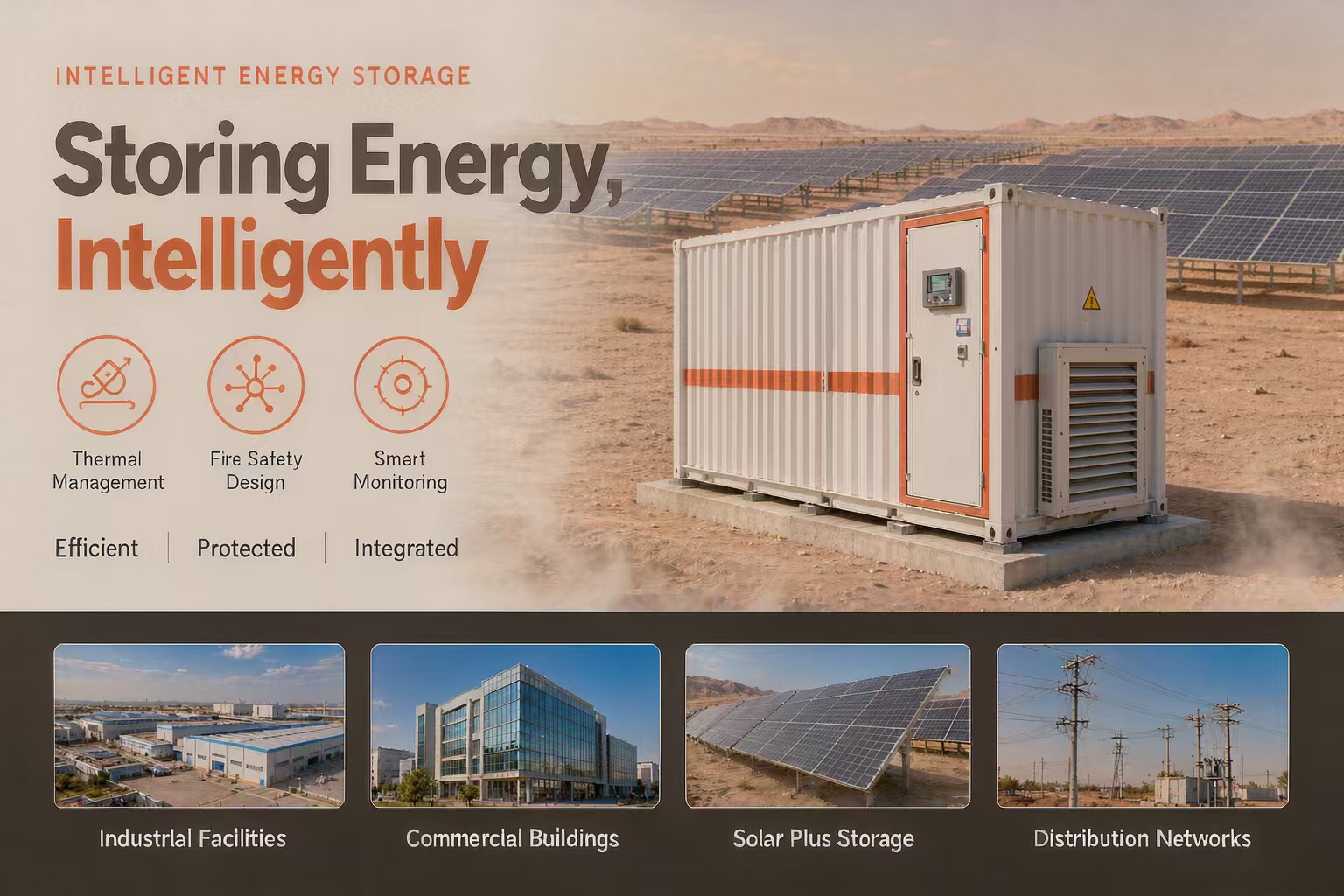
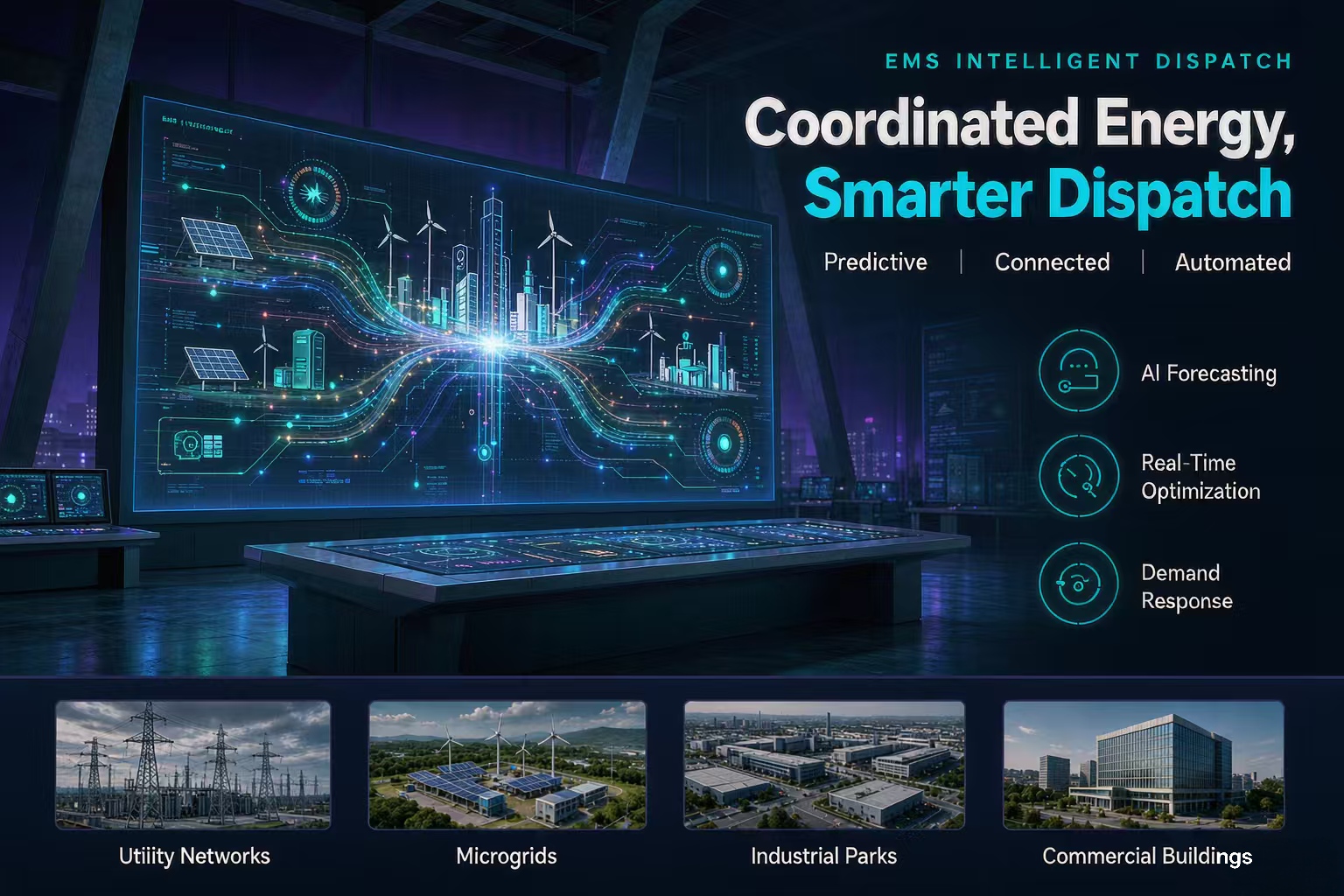
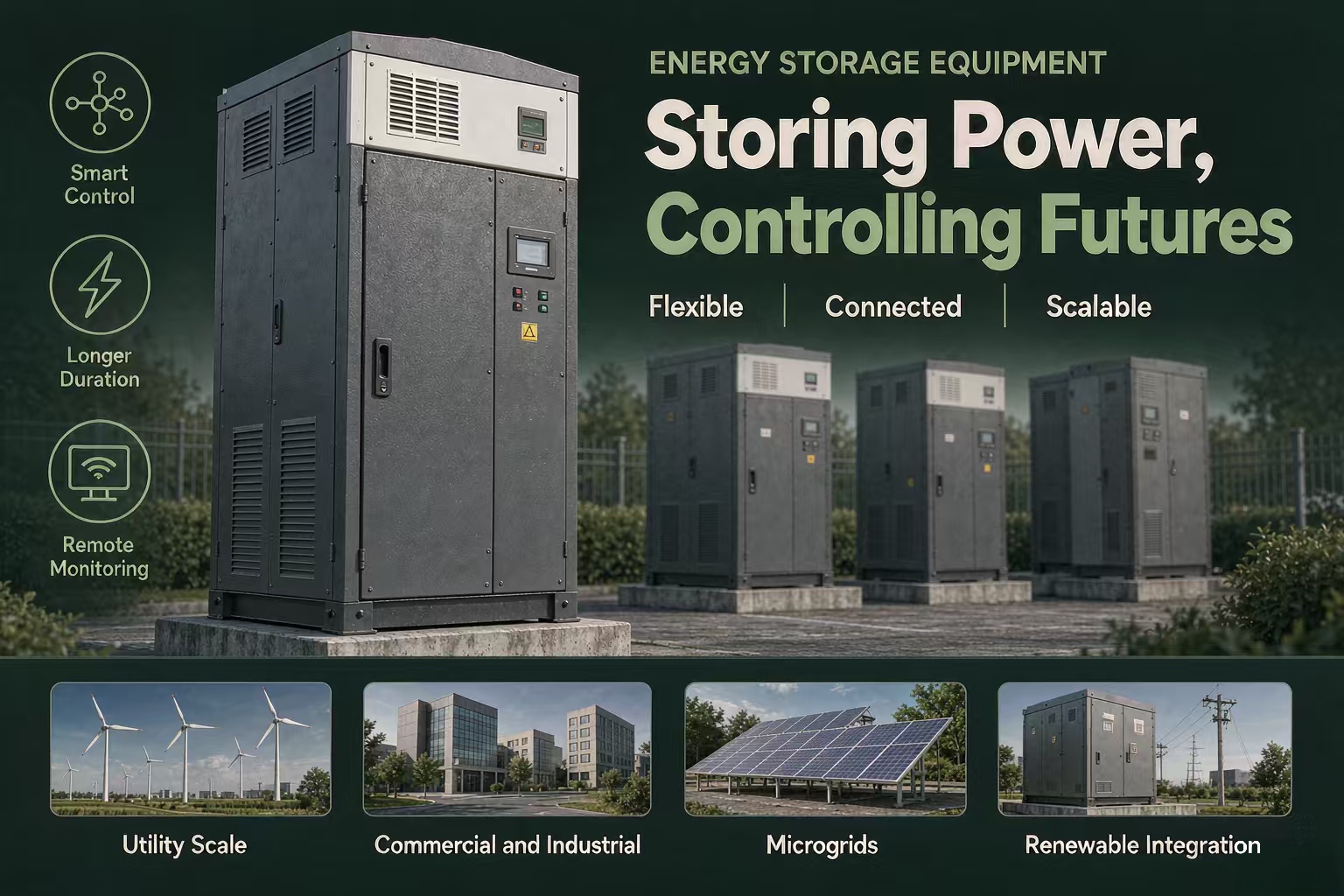
This growth is creating demand for storage systems capable of providing multiple functions, including renewable-energy shifting, frequency support and capacity services. Intelligent Energy Storage Equipment can coordinate these functions through real-time monitoring and control, while digital interfaces allow operators to integrate storage more effectively into wider energy-management platforms.
Future Development Focuses on Autonomous Operation
The next stage of storage technology is expected to place greater emphasis on predictive maintenance, automated safety management and adaptive operating strategies. The combination of sensors, software and AI could enable storage systems to make more data-driven decisions throughout their lifecycle.
The industry is therefore moving from simply installing batteries toward building intelligent storage assets that can measure, analyze and respond to changing power-system conditions. Although deployment models vary between markets, digital intelligence is becoming an increasingly important factor in the development of more flexible and responsive energy storage infrastructure.