Lifecycle Performance Is Changing How Electrical Equipment Is Evaluated
Initial Purchase Price No Longer Tells the Whole Story
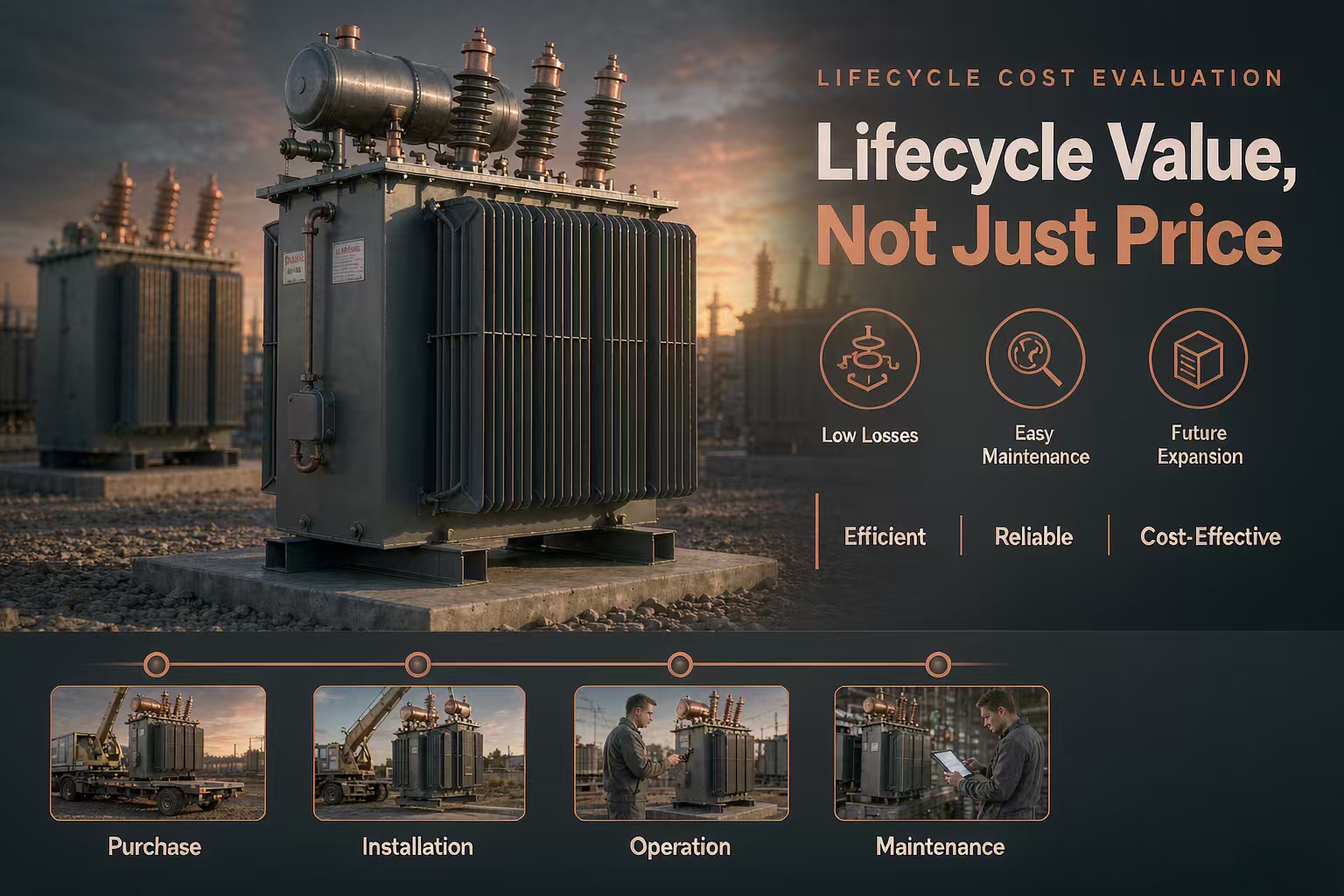
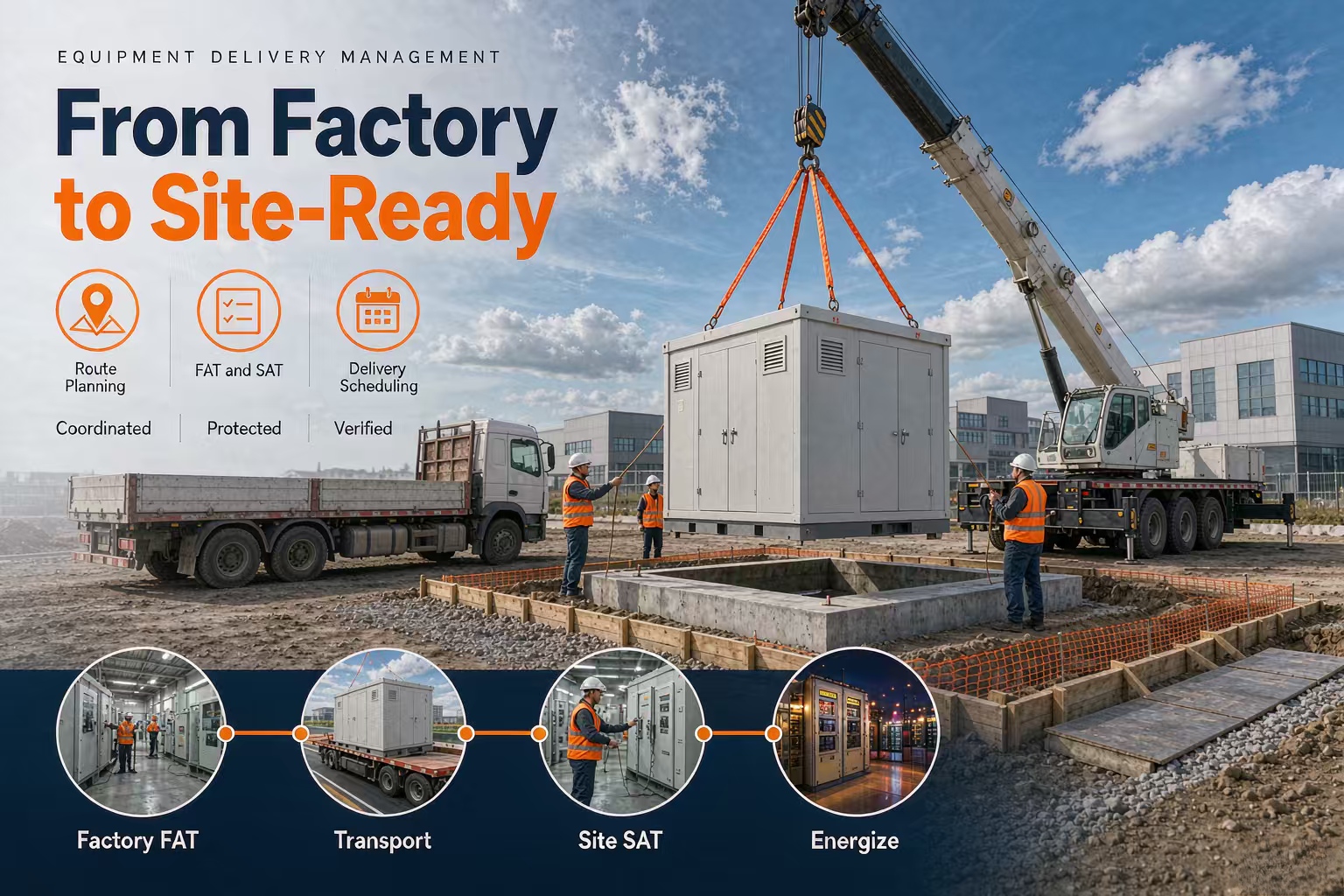
Electrical equipment procurement is increasingly moving beyond upfront purchasing costs toward a broader assessment of long-term operating value. For industrial facilities, commercial buildings and power infrastructure projects, the actual cost of equipment includes transportation, installation, commissioning, electricity consumption, maintenance and eventual replacement. Equipment with a lower purchase price may generate higher expenses over years of operation, particularly when energy losses and maintenance requirements are taken into account.
This approach is reflected in government energy-efficiency assessments. The U.S. Department of Energy estimates that updated distribution transformer efficiency standards will save utilities and commercial and industrial users approximately USD 824 million annually in electricity costs. (U.S. Department of Energy)
Energy Efficiency Has a Long-Term Financial Impact
Operating losses are an important consideration when evaluating electrical equipment that remains energized for extended periods. Distribution transformers, for example, experience both no-load and load losses throughout operation. According to ENERGY STAR, selecting lower-loss liquid-immersed distribution transformers can reduce transformer energy losses by approximately 11% to 29%, depending on load factor and output power. (ENERGY STAR)
This demonstrates why efficiency ratings should be considered alongside purchase prices. Electricity tariffs, expected operating hours and load characteristics can significantly influence the financial value of an equipment investment.
Maintenance and Compatibility Affect Operational Costs
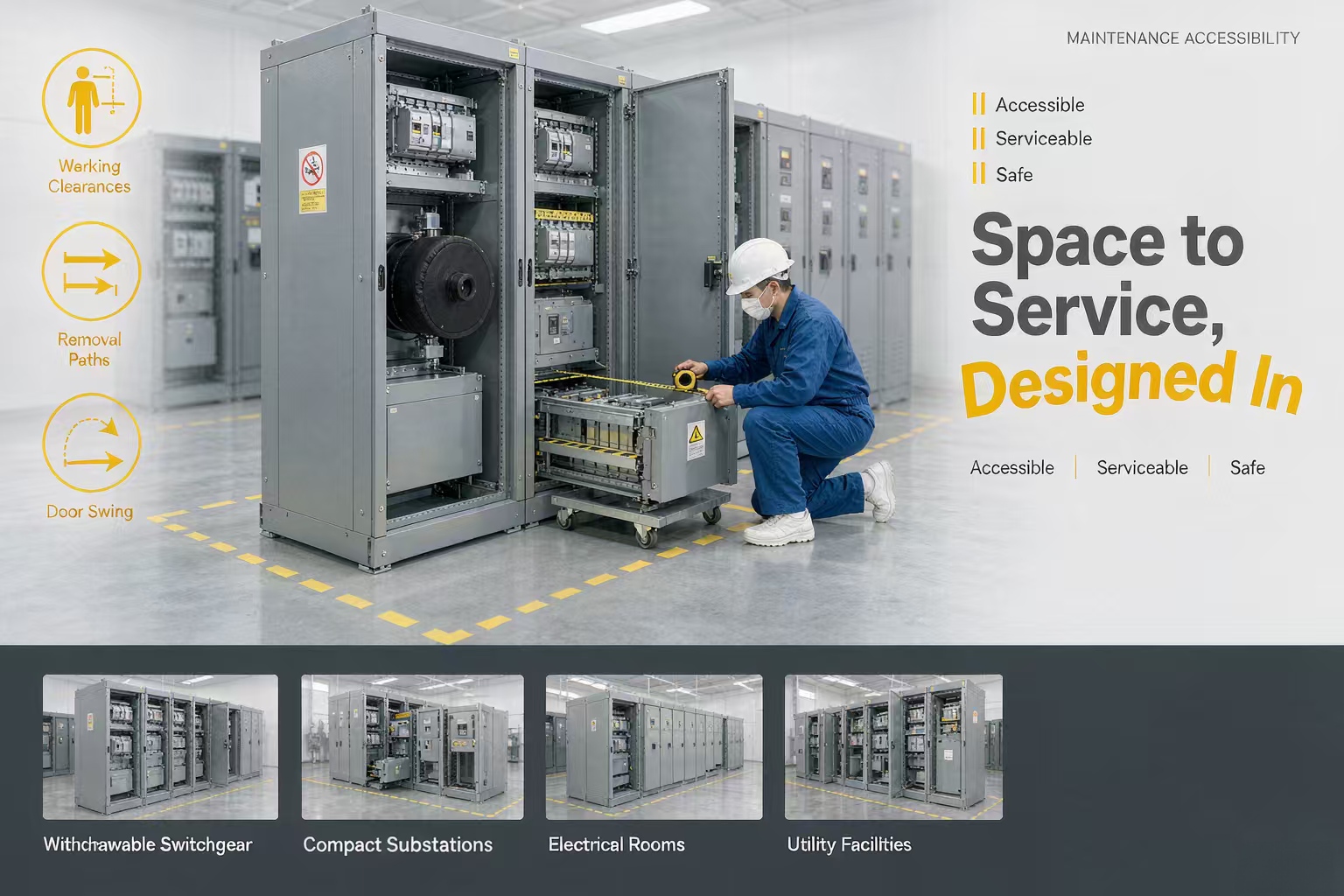
Spare-parts availability, maintenance intervals and repair complexity can influence the total cost of ownership. Equipment requiring specialized components or lengthy repair procedures may create additional expenses over its service life. In facilities where continuous operation is essential, unexpected equipment failures can also result in production losses and service interruptions.
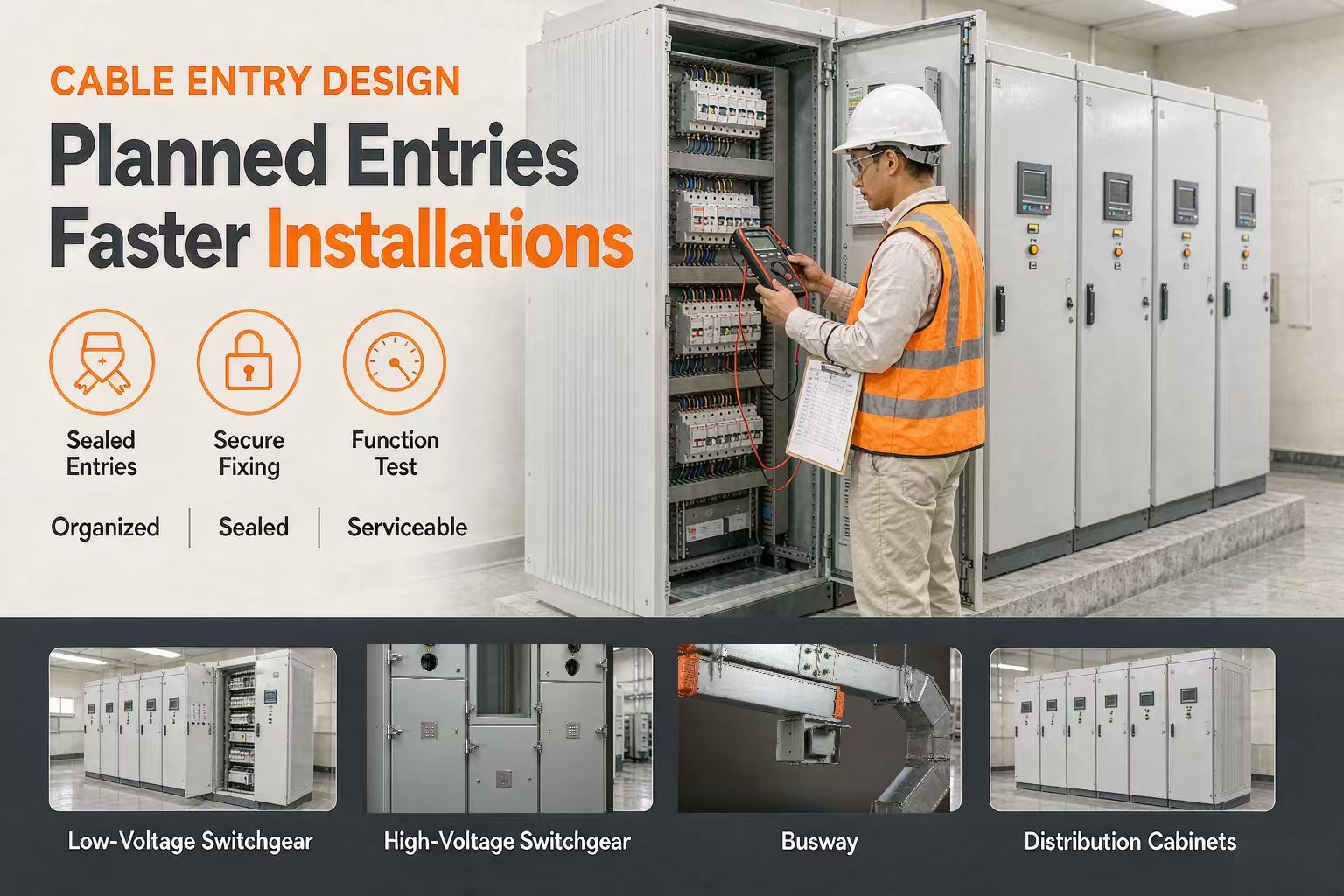
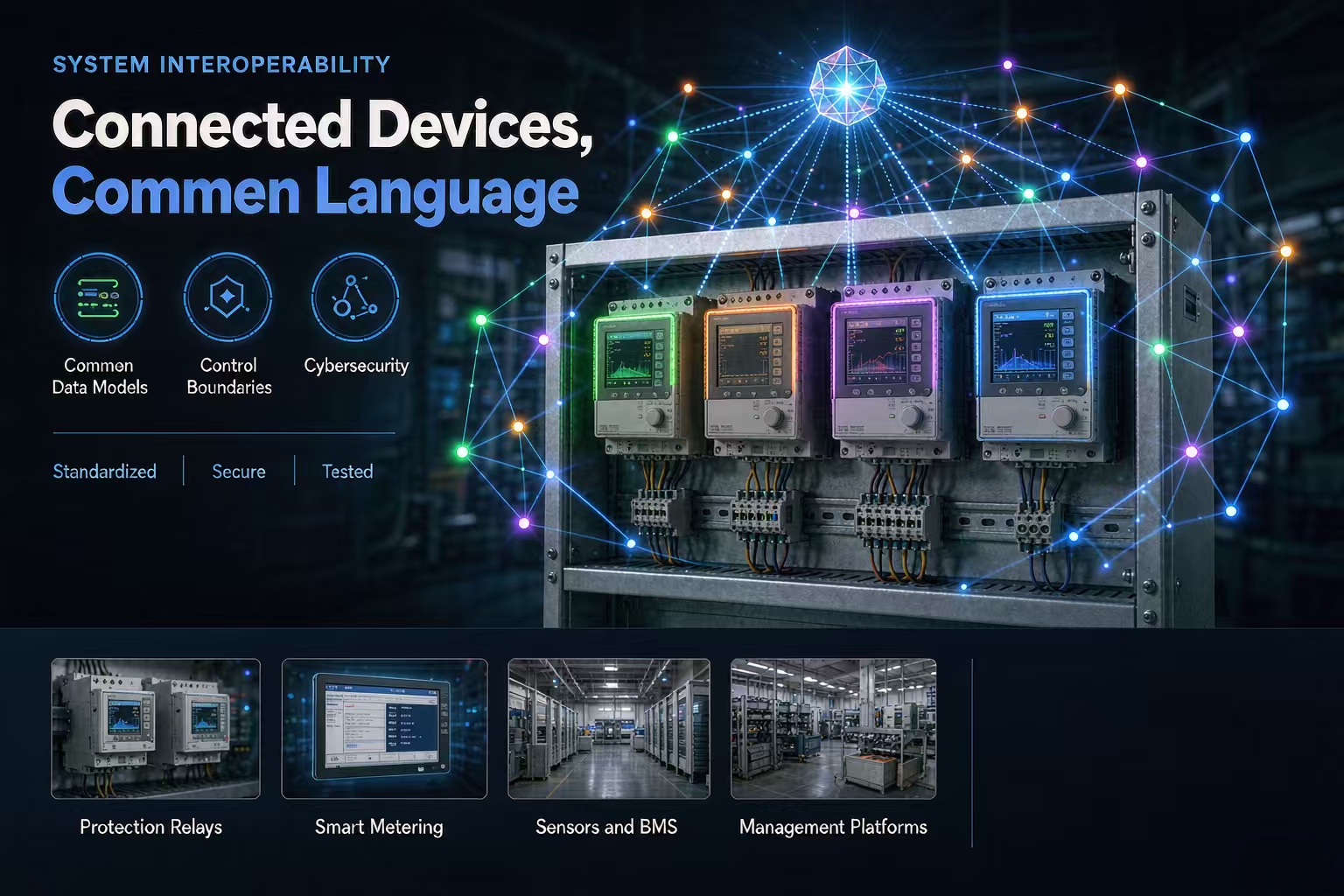
Compatibility is another important factor. New electrical equipment should be assessed against existing protection systems, communication protocols, cable arrangements and installation dimensions. The ability to integrate additional monitoring functions or expand capacity in the future may reduce the need for extensive modifications.
Lifecycle Cost Becomes a Procurement Priority
The economic impact of efficiency improvements can accumulate over decades. The U.S. Department of Energy estimates that its revised distribution transformer standards will generate more than USD 14 billion in energy-cost savings over 30 years of product shipments. This illustrates the importance of evaluating equipment beyond its initial purchase price. (U.S. Department of Energy)
For equipment owners, engineering contractors and procurement teams, lifecycle evaluation is becoming an increasingly important decision-making approach. Purchase price, installation requirements, energy consumption, maintenance resources, downtime risks and future expansion should all be considered together.
The electrical industry is gradually shifting toward value-based procurement, where equipment performance is measured not only by its initial specifications but also by its ability to deliver reliable and economical operation throughout its service life.