Liquid-Cooled Energy Storage Systems Gain Attention as Energy Density Rises
Application Conditions Are Reshaping Storage Selection
The rapid expansion of battery storage is creating more differentiated requirements for system design. The International Energy Agency reports that 108 GW of new battery storage capacity was added globally in 2025, about 40% more than in 2024, while utility-scale systems accounted for roughly 87 GW of the additions. As storage projects become larger and more densely configured, cooling method, safety architecture, footprint and maintainability are becoming important selection criteria.
Cooling Methods Must Match Project Conditions
Air cooling remains suitable for applications where system power density, ambient conditions and installation scale allow sufficient heat dissipation. Its relatively simple structure can reduce component count and eliminate coolant leakage concerns. However, air has lower heat-transfer capability and heat capacity than liquid cooling, which can make temperature uniformity more difficult in densely packed battery modules.
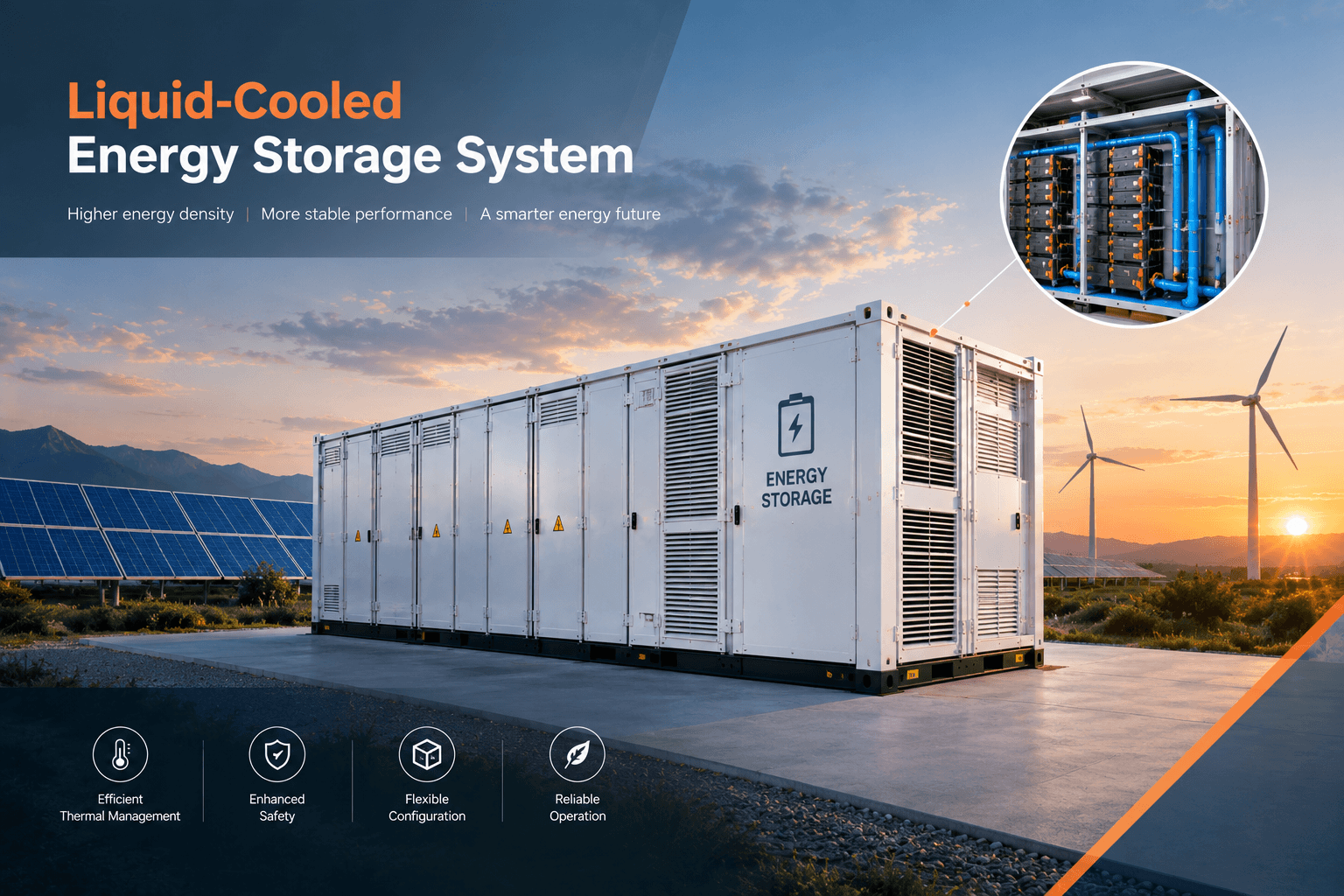
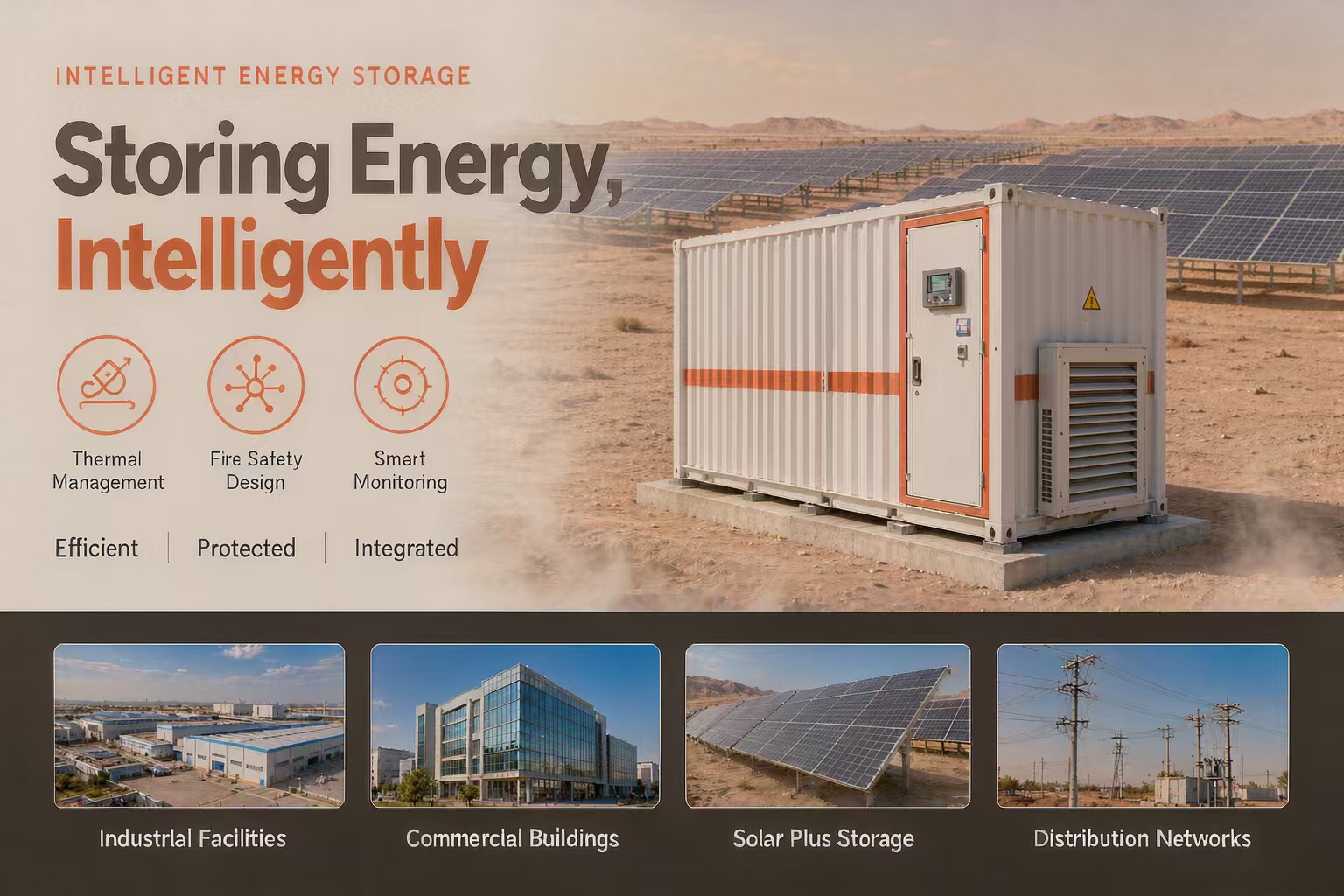
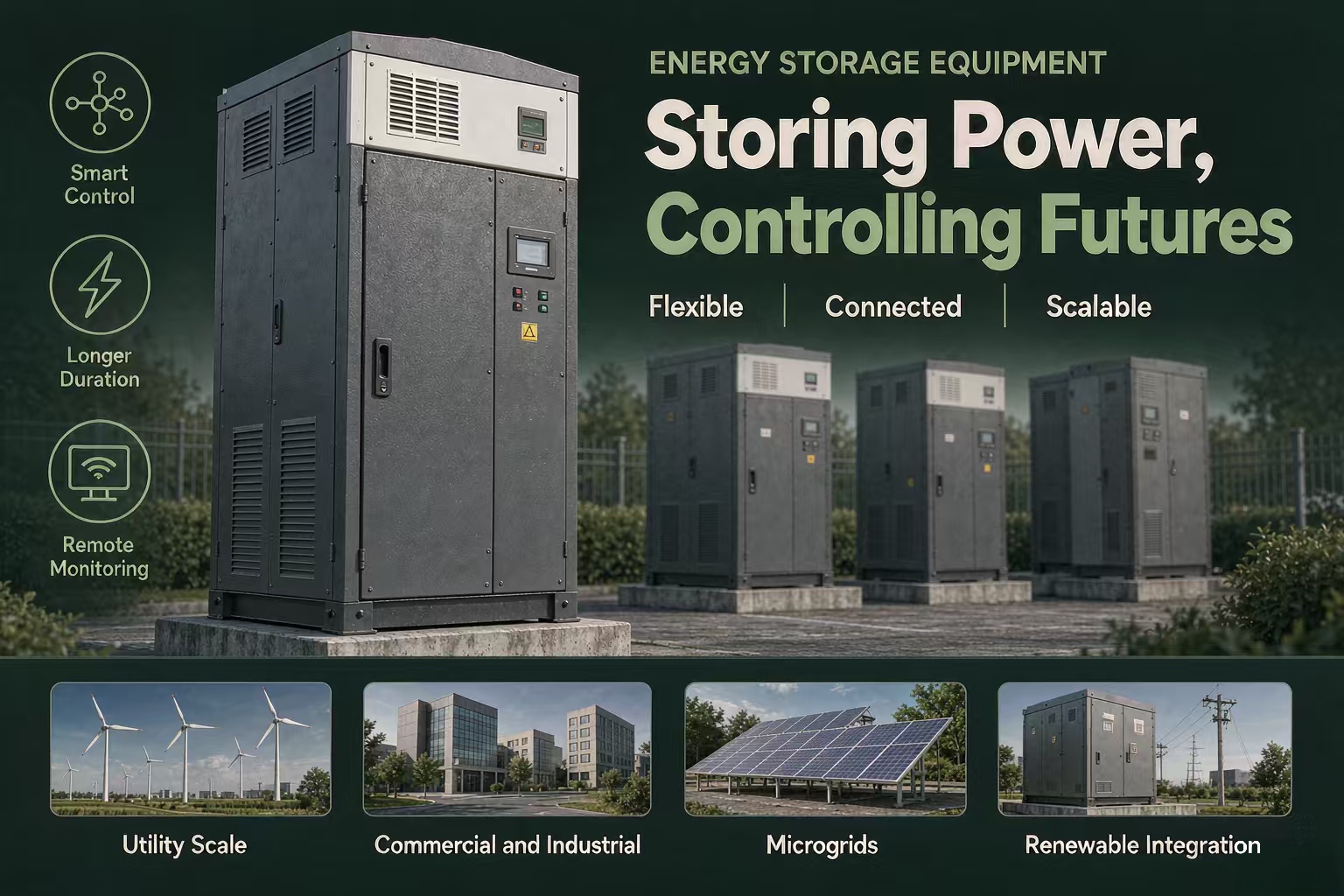
Liquid cooling is therefore attracting attention in higher-density configurations. By circulating coolant close to battery cells or modules, the system can provide more controlled thermal management and support tighter equipment arrangements. A Liquid-Cooled Containerized Energy Storage System can integrate batteries, thermal management, power conversion and safety functions within a standardized enclosure, making it applicable to utility-scale projects, renewable-energy plants and industrial energy-storage sites.
Size and Layout Become Practical Design Factors
Container dimensions are not determined by battery capacity alone. Engineers also need to consider ventilation or cooling equipment, cable routing, fire-protection systems, maintenance clearances and transportation restrictions. In some projects, increasing energy density can reduce the number of enclosures required, but higher internal heat loads may place greater demands on thermal management and safety systems.
Installation spacing is another consideration. NFPA 855 provisions generally require individual energy-storage systems to be separated by at least 3 ft (914 mm) unless testing demonstrates that a smaller distance is appropriate.
Safety and Lifecycle Performance Remain Essential
Thermal runaway prevention, fire propagation control and monitoring capabilities are increasingly central to system selection. The UL 9540A:2025 methodology includes testing at cell, module, unit and installation levels to evaluate thermal-runaway behavior and fire propagation.
For projects with high energy density or limited land availability, liquid-cooled configurations may offer advantages in thermal management and spatial efficiency. However, air cooling can remain appropriate where simplicity, lower auxiliary requirements or specific environmental conditions are priorities. The market is consequently moving toward application-based selection rather than treating one cooling technology as universally preferable.