

Photovoltaic AC Combiner Boxes Evolve with the Expansion of Solar Power
Rapid Solar Deployment Raises Connection Requirements
The continuing expansion of solar generation is placing greater technical demands on equipment positioned between generation units and electrical distribution networks. According to the International Energy Agency, global solar PV capacity additions exceeded 600 GW in 2025, bringing cumulative capacity to approximately 2,800 GW. Solar accounted for more than three-quarters of all renewable capacity added worldwide during the year.
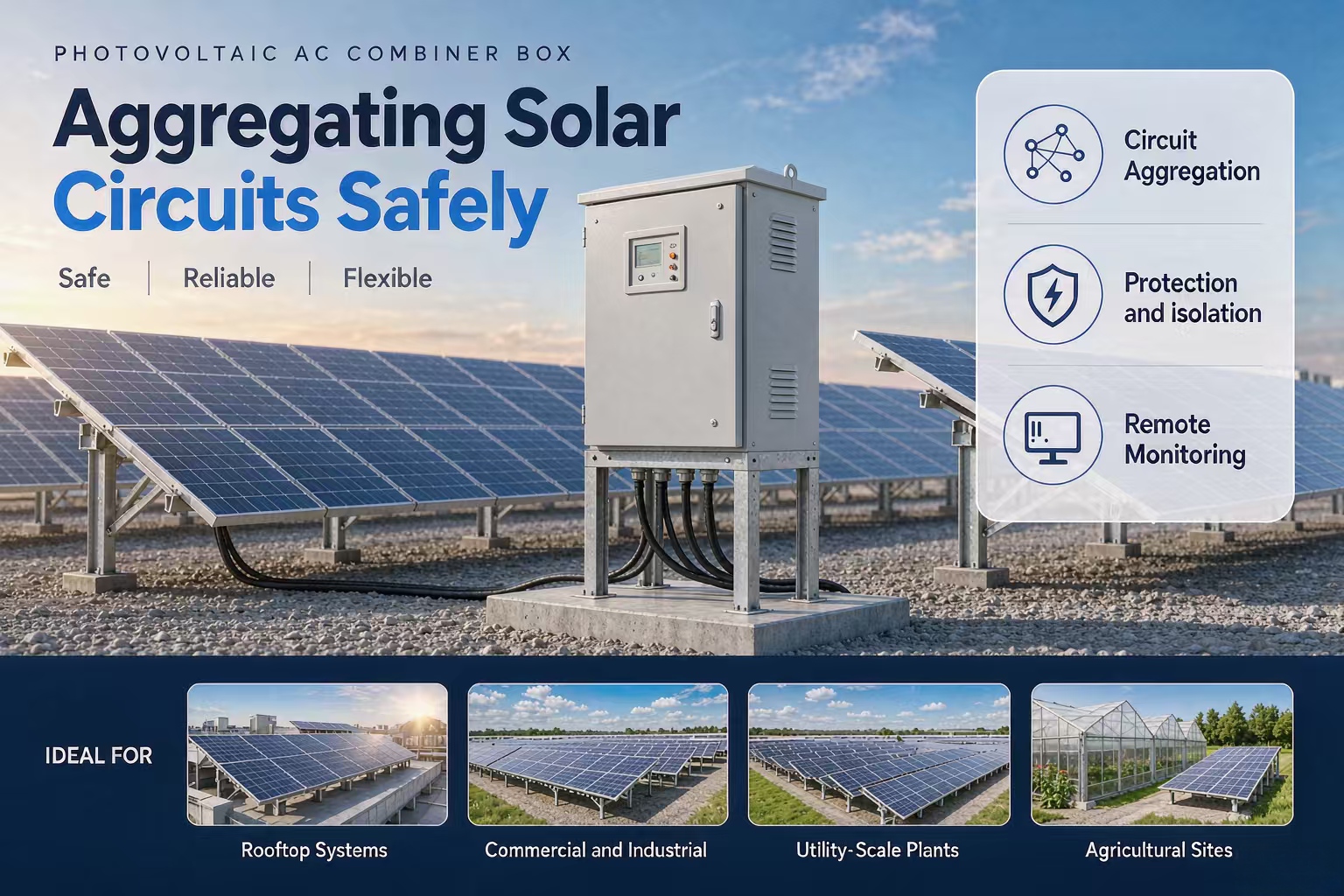
As the number and scale of solar installations increase, the Photovoltaic AC Combiner Box is becoming an important point for circuit aggregation, isolation, protection and measurement on the AC side of suitable installations.
Protection and Electrical Coordination Become More Important
Modern solar installations can contain numerous generation units with changing output throughout the day. Equipment at the AC collection point therefore needs to accommodate rated current, prospective short-circuit levels, switching requirements, thermal performance and protection coordination. The latest IEC 61439-8:2026 specifically addresses the design and verification of low-voltage assemblies intended for photovoltaic installations, including assemblies supplied from an AC network up to 1,000 V AC for auxiliary and control purposes.
For system designers, this development reinforces the importance of verified assembly performance rather than evaluating individual components in isolation.
Different Solar Applications Require Different Configurations
The required configuration varies significantly between rooftop installations, commercial and industrial facilities, agricultural sites and utility-scale solar plants. Smaller installations may prioritize compact dimensions, simple cable access and convenient maintenance. Larger facilities generally place more emphasis on higher current capacity, circuit segmentation, environmental protection and remote operating information.
The revised IEC 60364-7-712:2025 also reflects changes in solar-system technology, with updated requirements covering PV power-generation plants, connections to battery circuits and DC bus arrangements. Although these requirements cover the wider installation rather than one individual enclosure, they illustrate how connection equipment is increasingly being considered as part of a coordinated electrical architecture.
Digital Monitoring Becomes a Development Direction
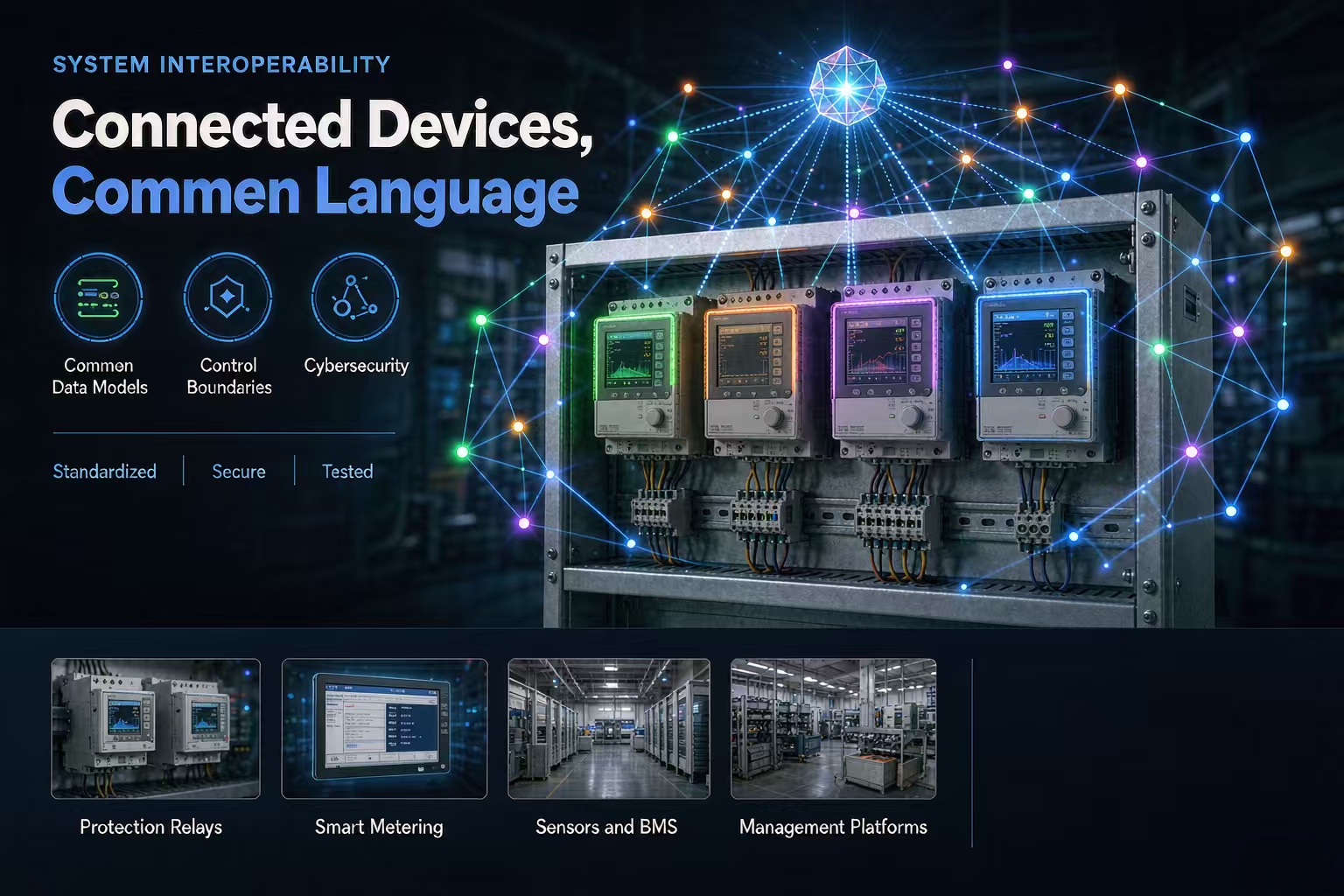
Solar generation also creates a need for more accessible operating data. A modern Photovoltaic AC Combiner Box can incorporate current, voltage, temperature and circuit-status measurement, allowing operators to identify abnormal conditions and review equipment performance remotely.
The need for such functions is becoming more evident as solar generation continues to expand. The IEA expects solar output to increase by around 600 TWh in 2026, broadly matching the record increase achieved in 2025.
Future Equipment Moves Toward Higher Integration
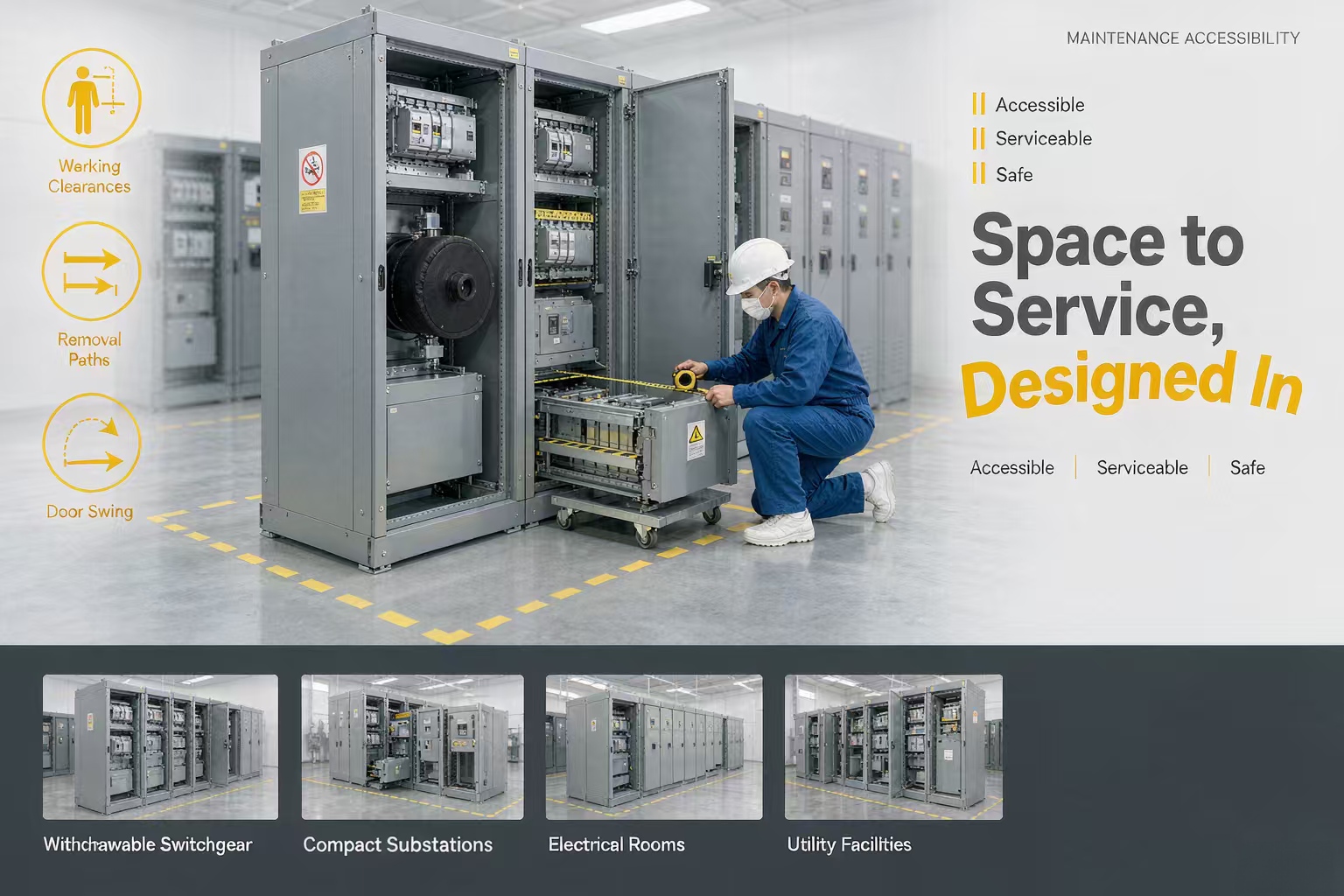
The development direction is therefore shifting from simple circuit aggregation toward higher integration of protection, measurement, communication and environmental adaptation. Selection will increasingly depend on installation voltage, current rating, fault conditions, enclosure protection, maintenance access and the requirements of the connected network.
As solar deployment becomes more diverse, equipment design is likely to become increasingly application-specific, balancing compact structure, electrical safety, monitoring capability and long-term operating reliability.