
Photovoltaic Grid Connections Drive New Requirements for Solar Distribution Equipment
Rapid Solar Deployment Raises Grid-Connection Requirements
The continued expansion of solar generation is changing the technical requirements for electrical infrastructure at the point where photovoltaic systems connect with power networks. According to the International Energy Agency, global solar PV capacity additions surpassed 600 GW in 2025, bringing cumulative installed capacity to around 2,800 GW. Solar PV accounted for more than three-quarters of all renewable capacity added worldwide during the year.
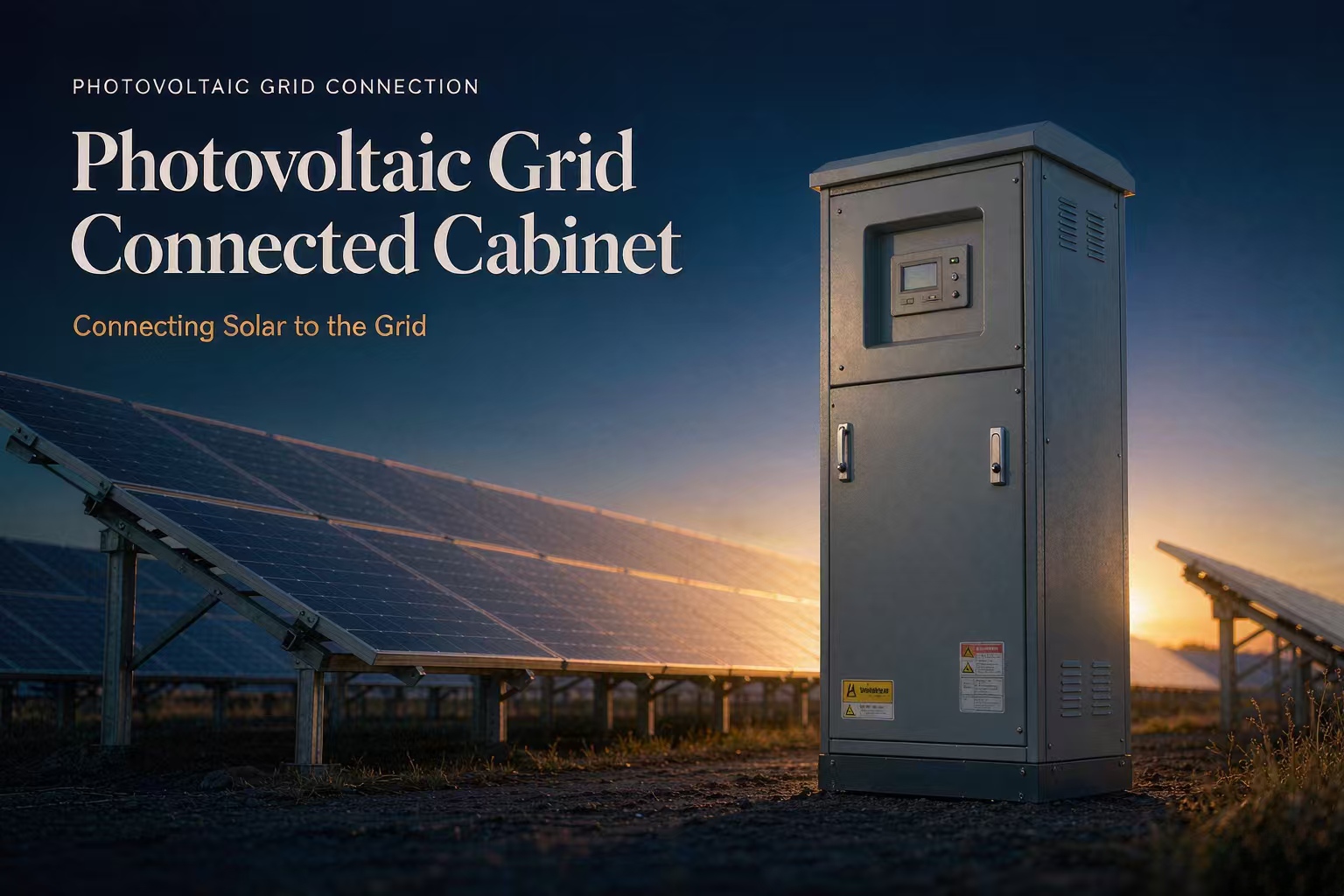
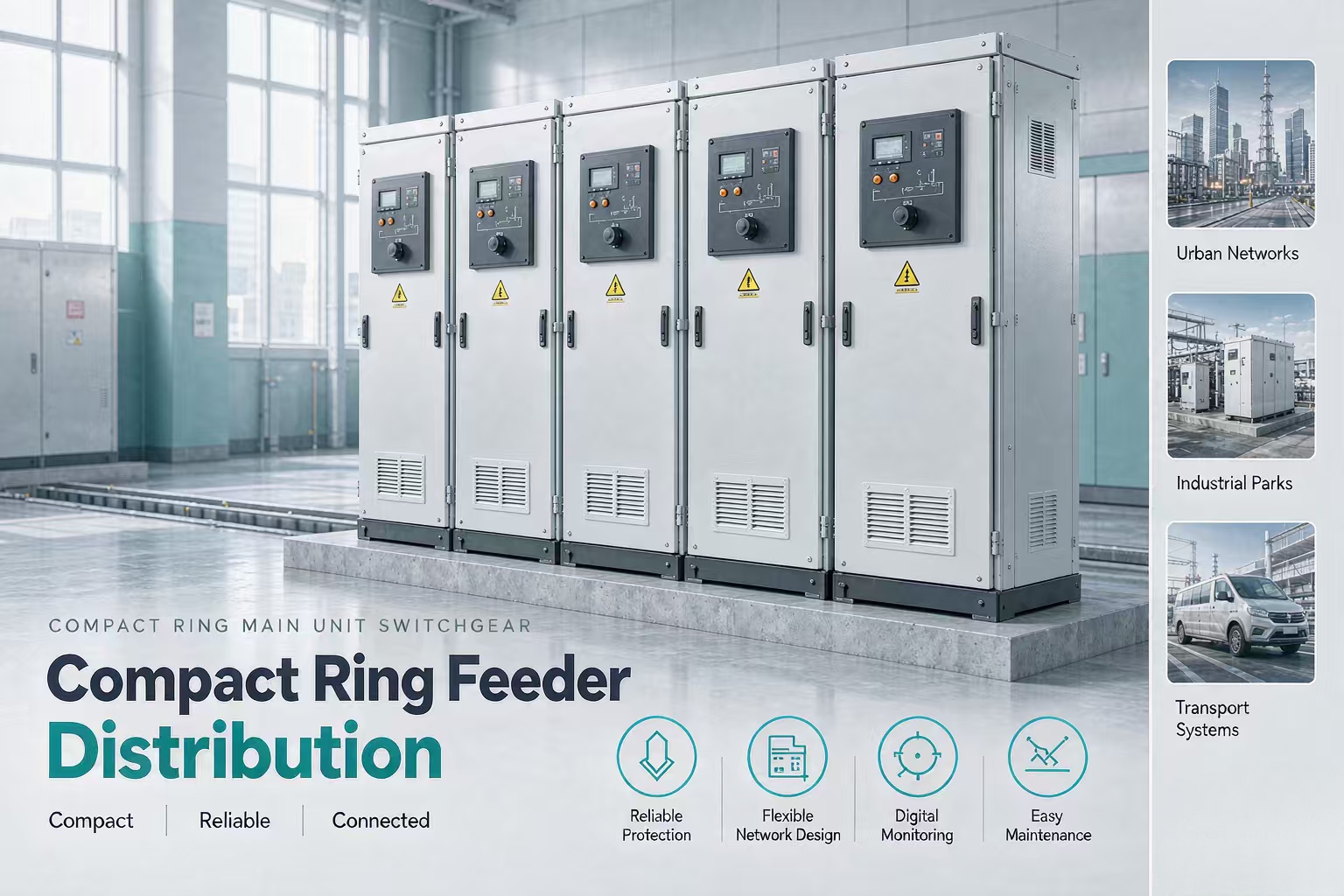
As connection points become more numerous, equipment used between generation systems and distribution networks needs to provide reliable switching, measurement, protection and isolation. The Photovoltaic Grid Connected Cabinet is therefore becoming an increasingly important part of grid-connected solar installations.
Protection and Grid Compatibility Become Core Requirements
Modern grid-connection equipment must respond to technical conditions that vary by voltage level, local grid code and project scale. IEC 61727 specifies utility-interface requirements for photovoltaic systems operating in parallel with the grid, including conditions associated with voltage, frequency and abnormal grid operation.
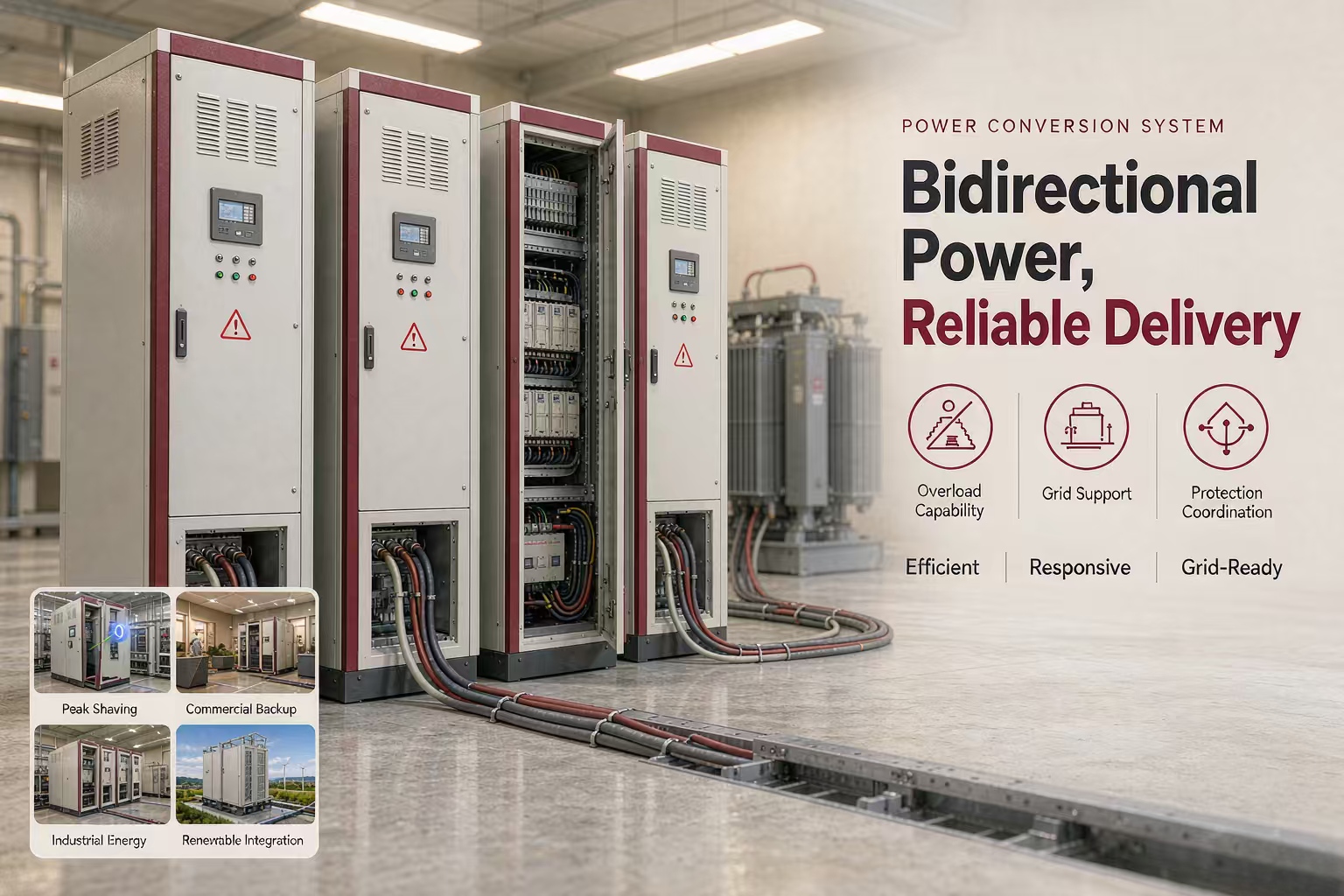
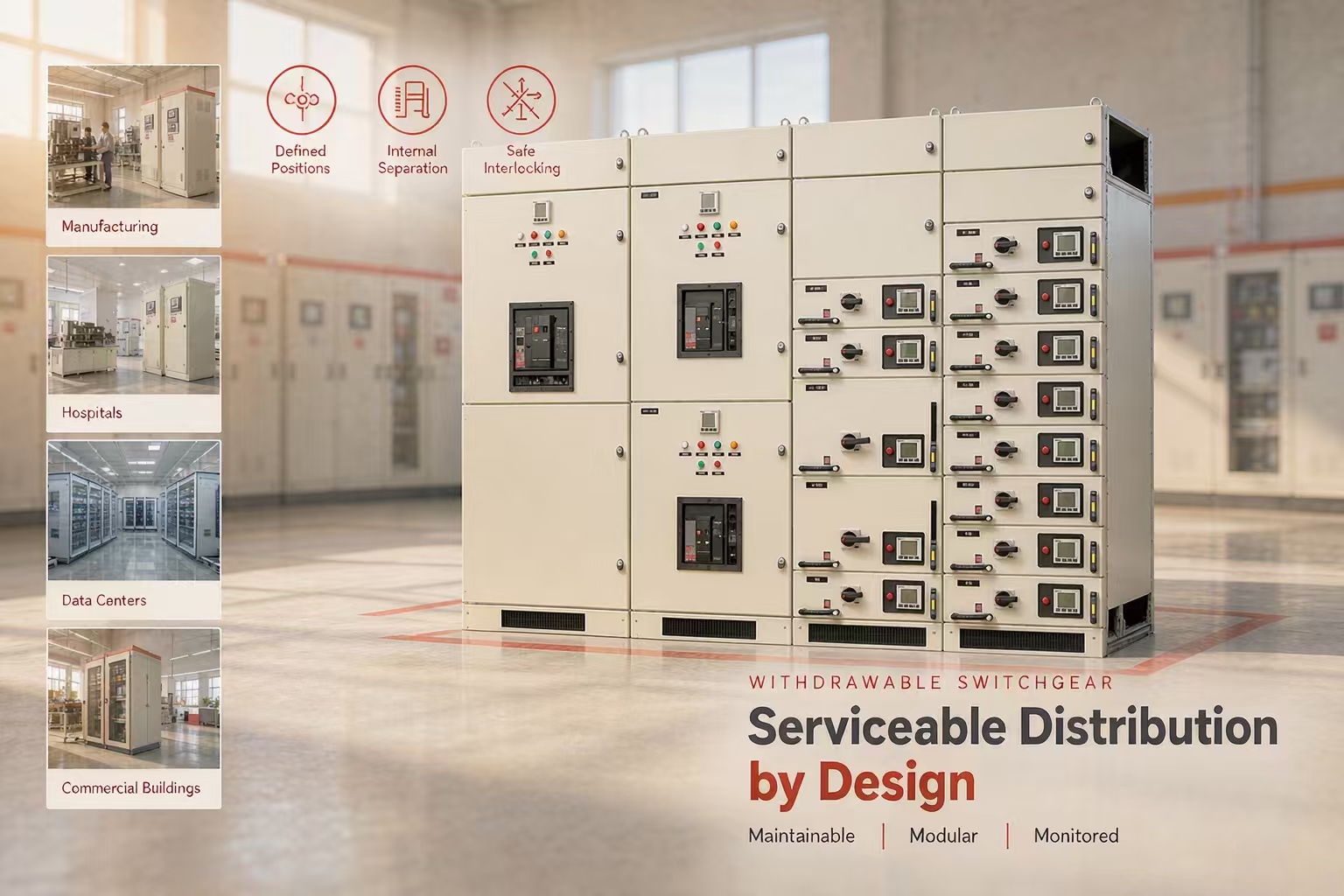
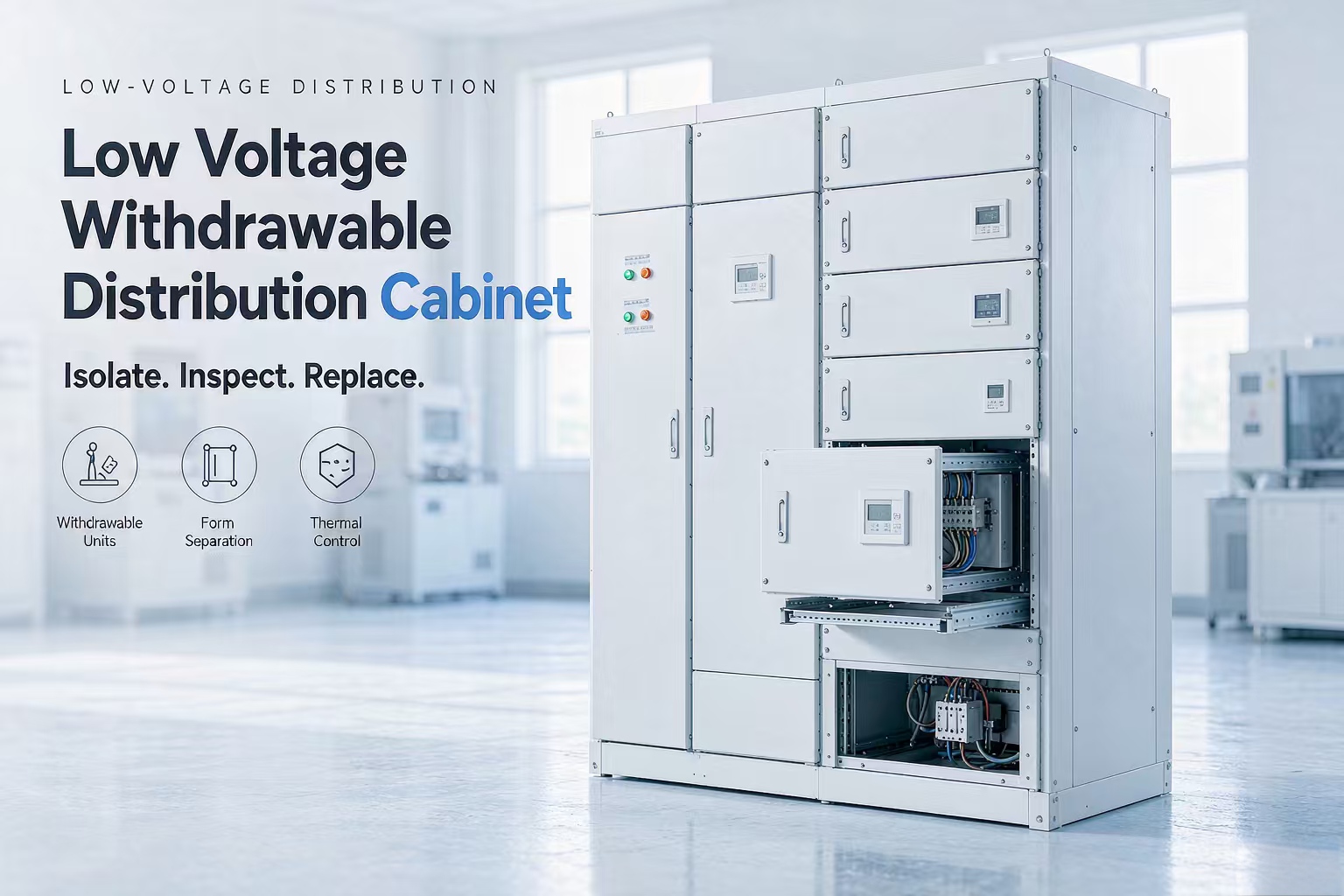
For equipment assemblies, IEC 61439-1 applies to low-voltage assemblies with rated voltages up to 1,000 V AC or 1,500 V DC and defines requirements covering construction, service conditions and verification. In practical applications, designers therefore need to evaluate rated current, short-circuit withstand capability, insulation coordination, switching functions and protection coordination together.
Different Solar Applications Require Different Configurations
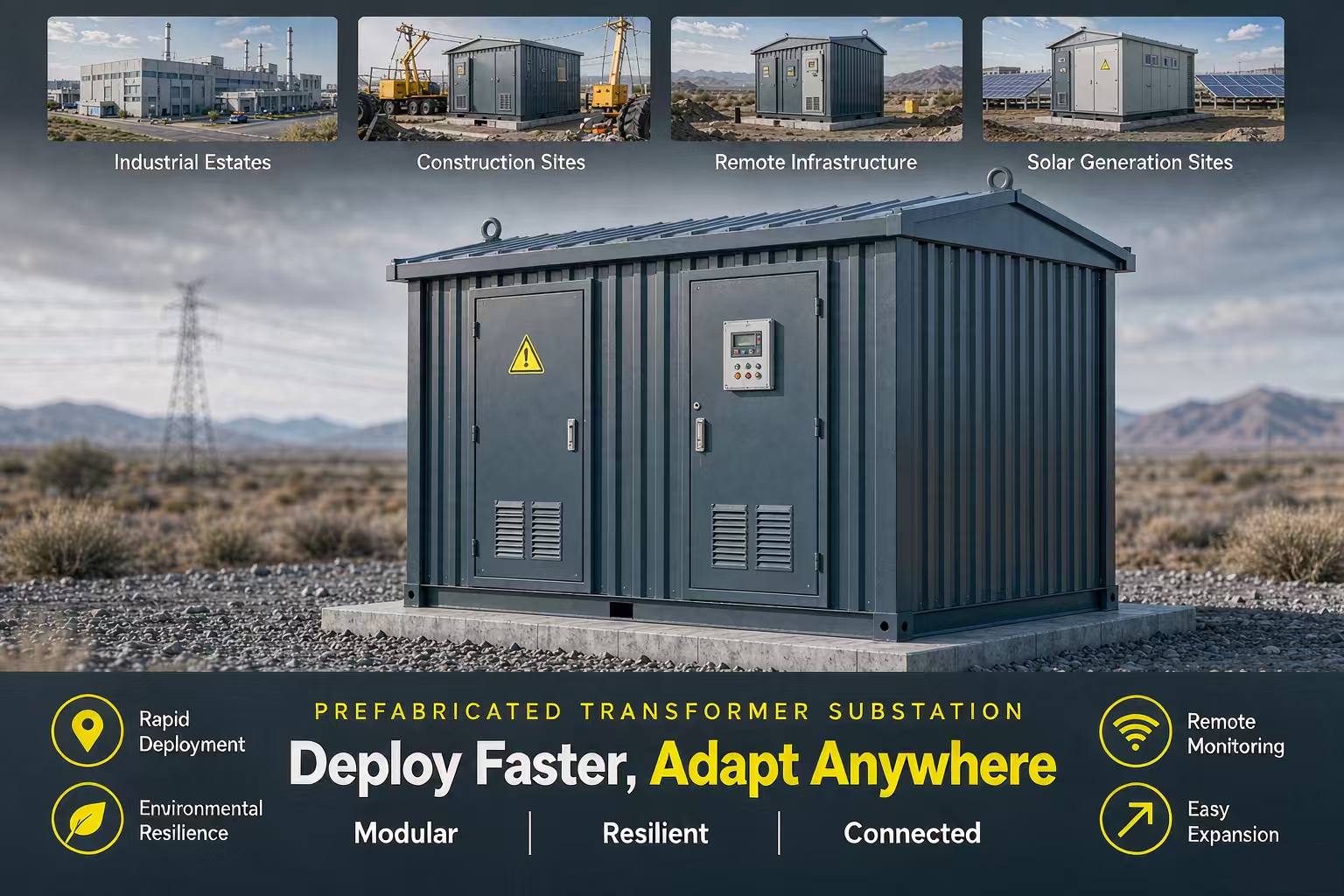
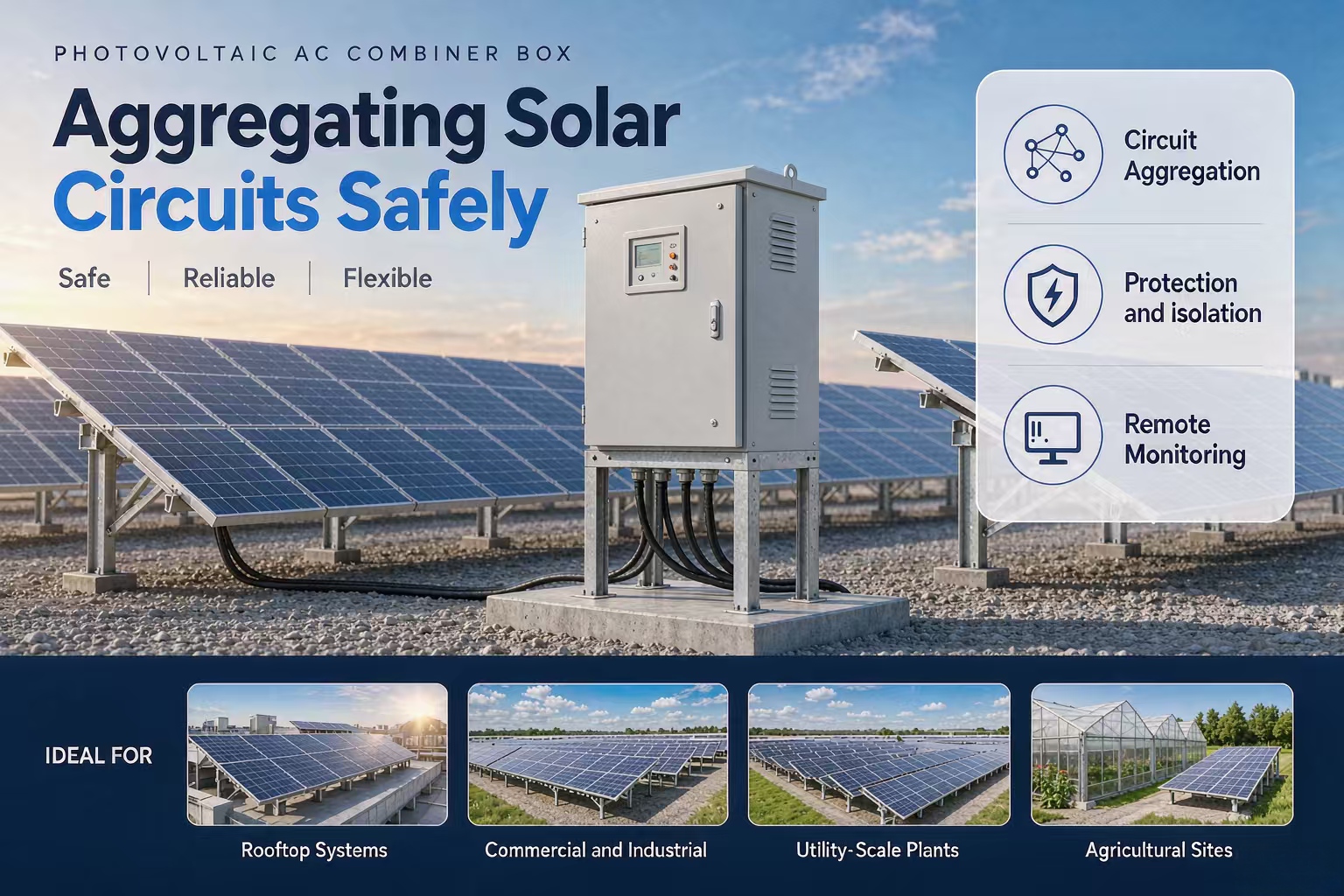
The technical configuration can vary substantially between rooftop systems, commercial installations, utility-scale solar plants and distributed generation in rural areas. Smaller systems may emphasize compact dimensions and straightforward maintenance, while larger installations typically require greater current capacity, monitoring channels and coordination with upstream network equipment.
The growing scale of distributed PV is also changing demand. The IEA estimates that distributed solar applications accounted for 42% of total global PV expansion projected for 2025–2030, covering residential, commercial, industrial and off-grid applications.
Digital Monitoring Supports More Flexible Operation
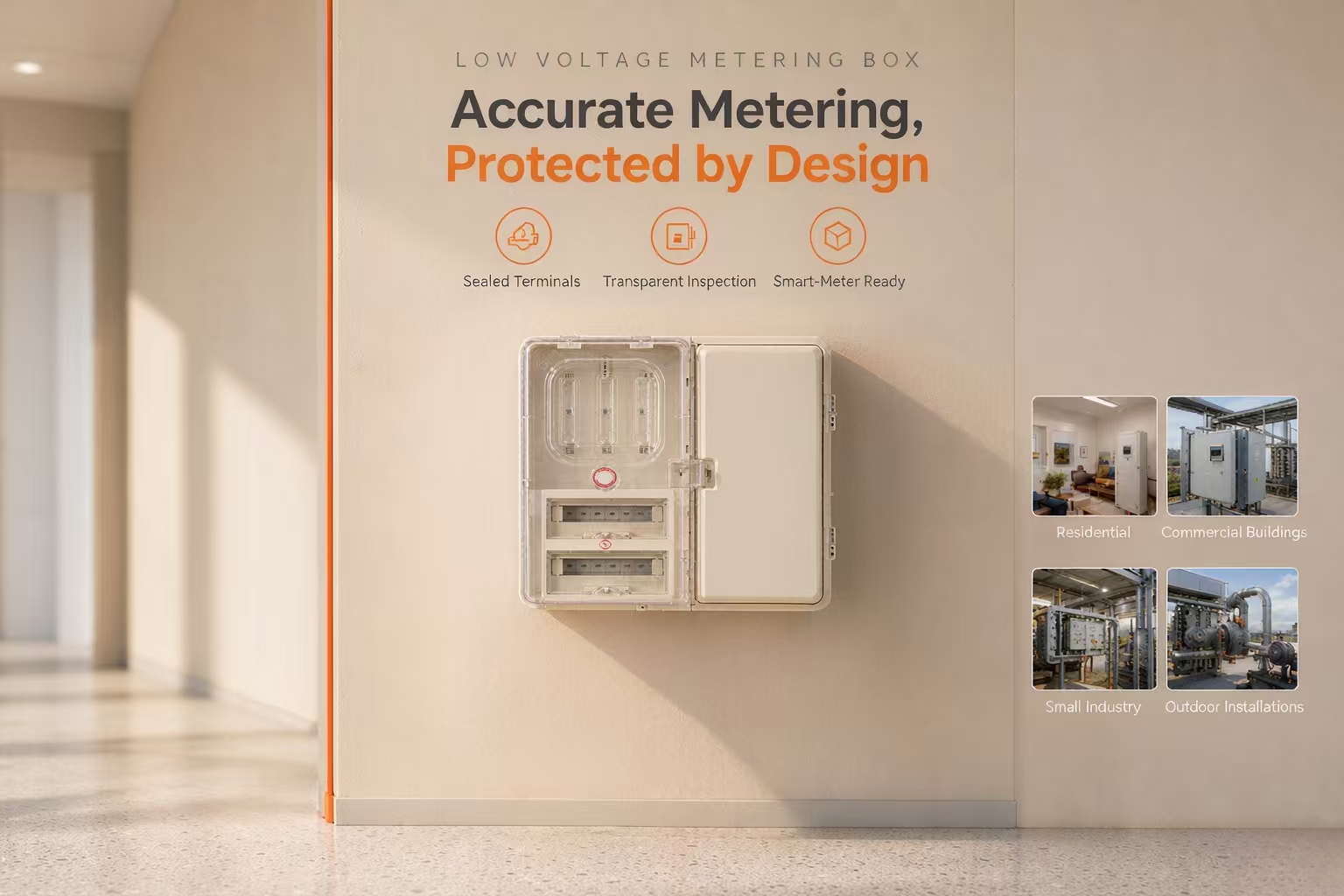
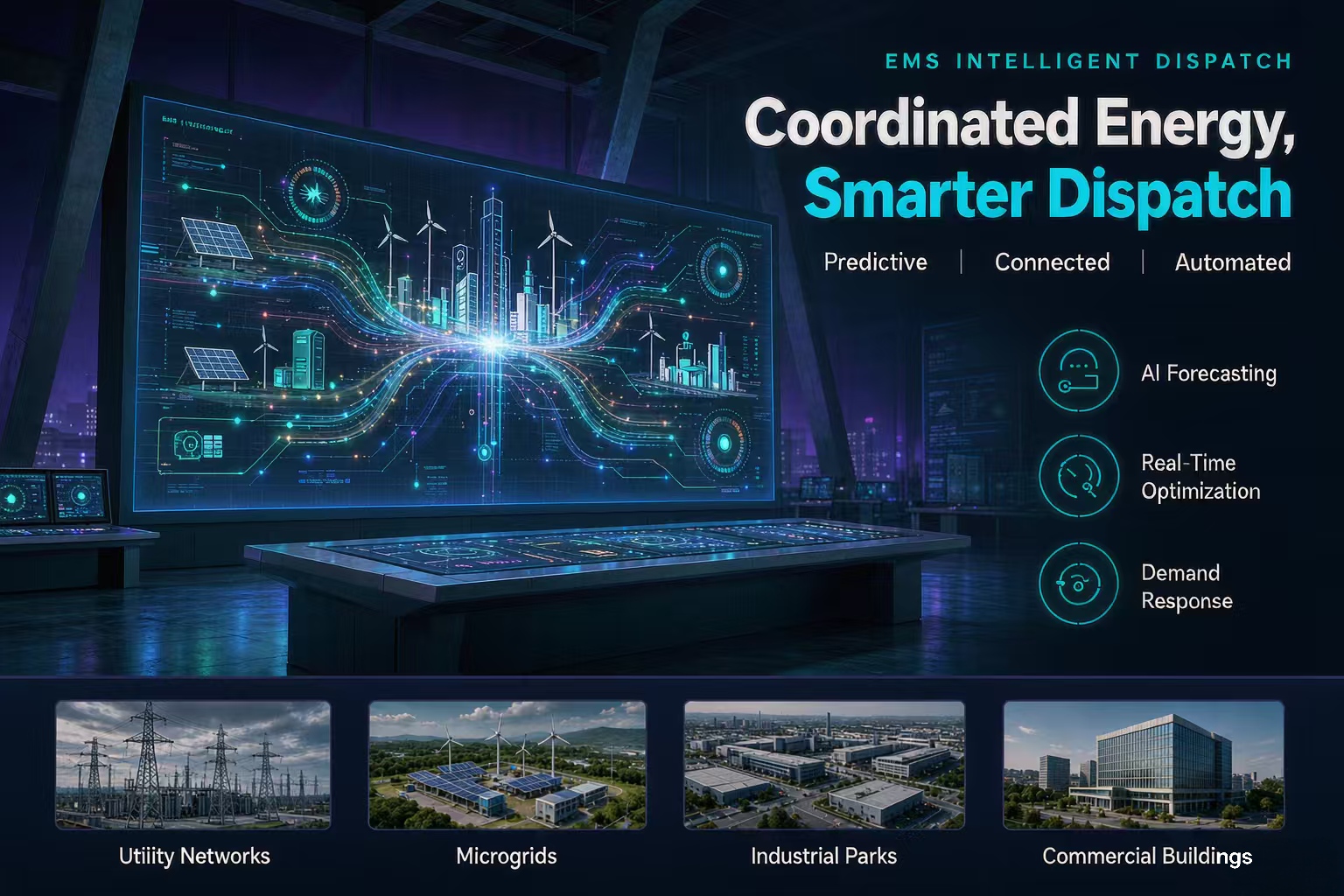
As solar penetration increases, monitoring functions are becoming more relevant to grid-connected equipment. Measurements of voltage, current, power and operating status can provide useful information for maintenance and energy management. Remote communication can also support faster fault identification and reduce the need for routine on-site inspection.
The development of the Photovoltaic Grid Connected Cabinet is therefore moving beyond simple electrical isolation toward integrated protection, measurement and communication. Future selection will increasingly depend on grid conditions, installation environment, project capacity, safety requirements and the degree of digital integration required.