Prefabricated Transformer Substations Adapt to a Faster, More Distributed Energy Landscape
Modular Engineering Changes Infrastructure Planning
The changing structure of electricity demand is reshaping how distribution infrastructure is designed and deployed. Industrial expansion, decentralized generation and projects in remote locations are increasing the need for electrical facilities that can be installed efficiently and adapted to different site conditions. In 2025, global renewable power capacity additions reached a record 800 GW, with solar generation accounting for more than three-quarters of the increase. This expansion is creating additional requirements for timely grid connections and adaptable distribution infrastructure. (International Energy Agency, Global Energy Review 2026)
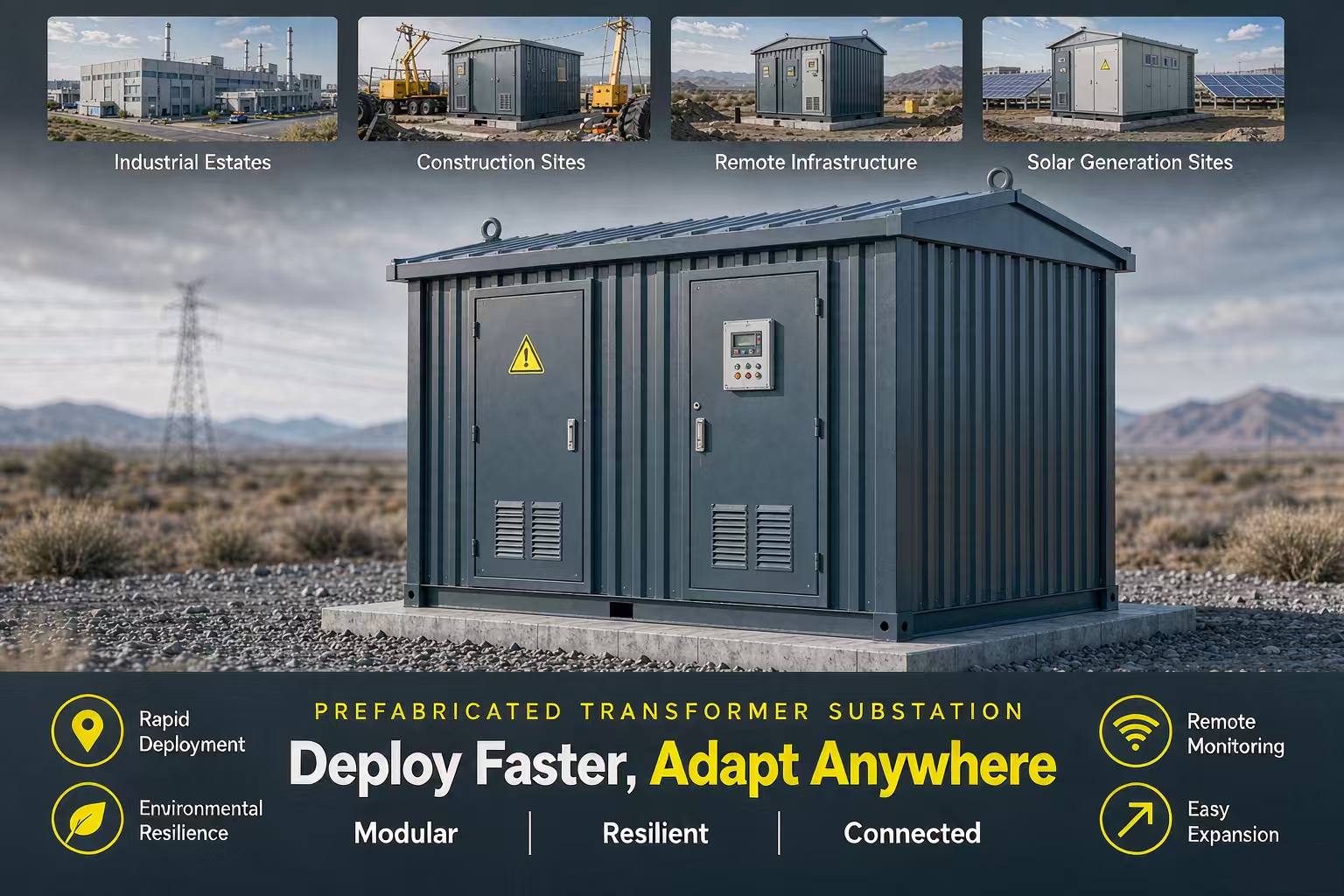
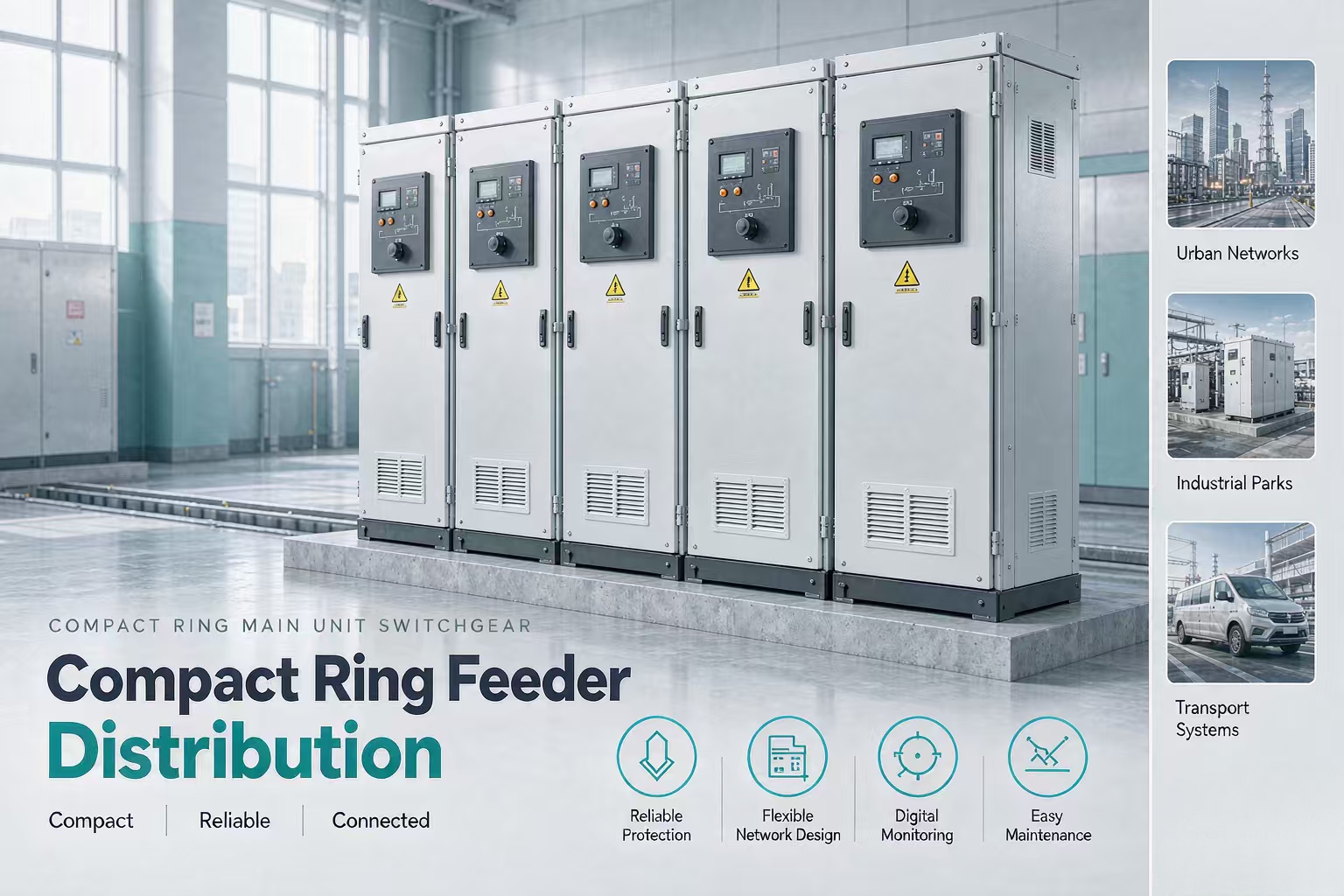
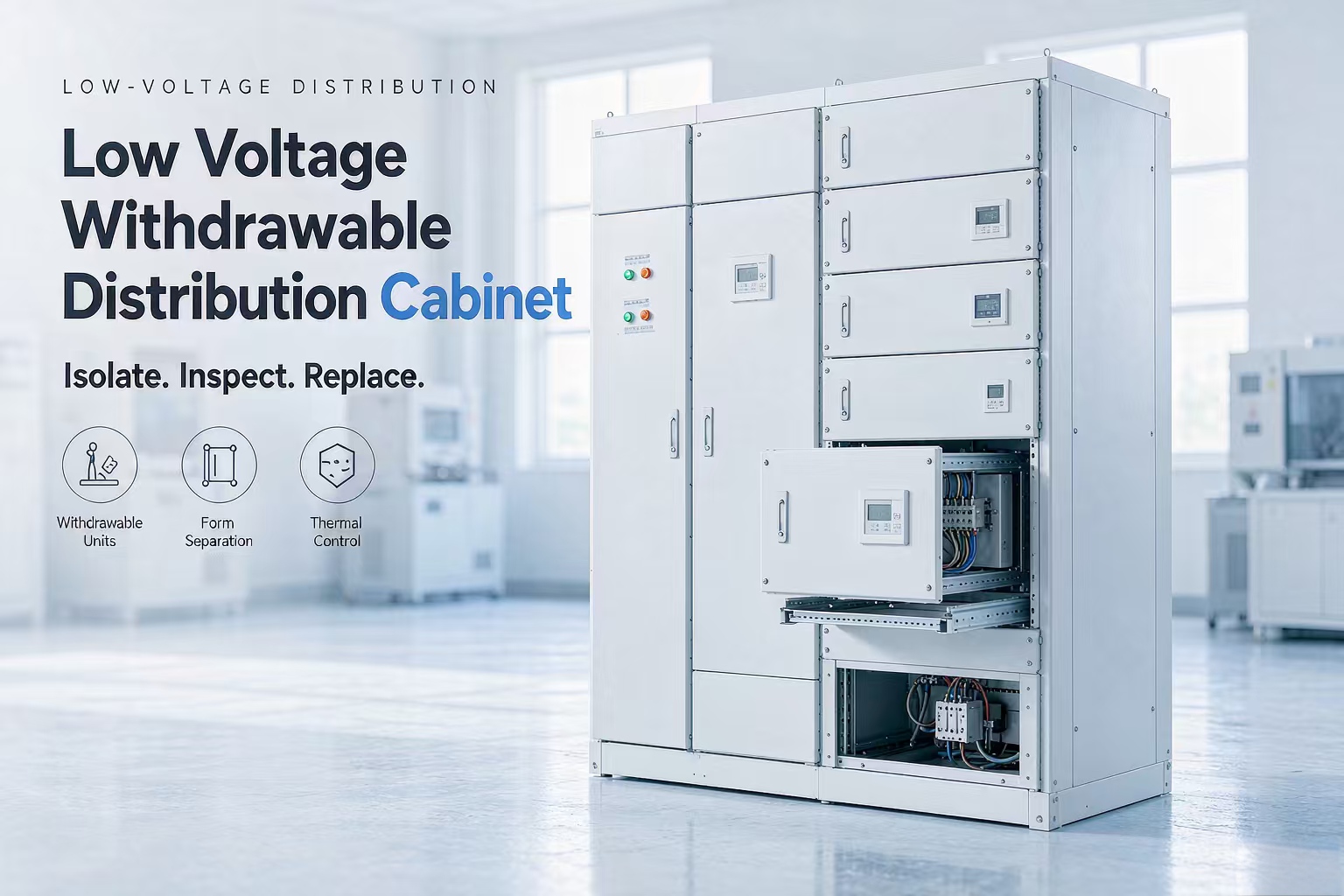
The Prefabricated Transformer Substation addresses these changing requirements through factory-based assembly, standardized modules and coordinated system design. Completing more integration work before delivery can reduce the number of construction activities required on site and help projects manage installation schedules more predictably.
Deployment Speed Depends on More Than Factory Assembly
Rapid installation requires coordination between transportation, foundations, cable routing, utility interfaces and commissioning procedures. Modular design can simplify project preparation, but the final configuration must still match the required electrical capacity, access conditions and local technical regulations.
The approach is particularly relevant to industrial estates, temporary construction facilities, remote infrastructure and distributed generation sites. Standardized layouts can also facilitate equipment replacement and future capacity expansion, provided that sufficient connection and service space has been included in the original design.
Environmental Adaptability Becomes a Design Priority
Outdoor installations may face intense solar radiation, high ambient temperatures, humidity, dust or corrosive atmospheres. These conditions can influence transformer loading, enclosure temperature, insulation performance and the service life of internal components.
IEC 62271-202:2022 covers enclosed high-voltage prefabricated substations operating above 1 kV and up to 52 kV. Its technical provisions include rated characteristics, structural requirements, temperature-rise testing and methods for evaluating the effects of solar radiation on internal temperatures. (IEC standard overview)
This makes environmental assessment an essential part of equipment selection rather than a final-stage enclosure consideration.
Digital Maintenance and Renewable Integration Drive Evolution
The next development stage is increasingly concerned with operational data as well as physical construction. Temperature sensors, transformer-condition monitoring, remote status reporting and fault notifications can provide operators with better visibility of equipment performance, particularly at unmanned or geographically dispersed sites.
Renewable integration also calls for more adaptable configurations. As solar generation expands, substations may need to accommodate variable power flows, different operating schedules and coordination with storage or local control systems.
The continued development of the Prefabricated Transformer Substation therefore reflects a broader transition toward modular, rapidly deployable and digitally observable infrastructure. Future selection will increasingly balance installation speed, environmental resilience, maintainability and compatibility with evolving distribution networks.