



Reactive Power Compensation Cabinets Gain Importance in Modern Electrical Systems
Power Quality Becomes a Stronger Design Consideration
The expansion of industrial electrification, data centres, commercial facilities and automated production is placing greater demands on electrical-system performance. The International Energy Agency forecasts global electricity demand to increase by an average of 3.6% annually from 2026 to 2030, adding around 1,100 TWh of consumption each year. As electrical loads become more varied, managing power factor and reactive power is receiving renewed attention in system design and operation.
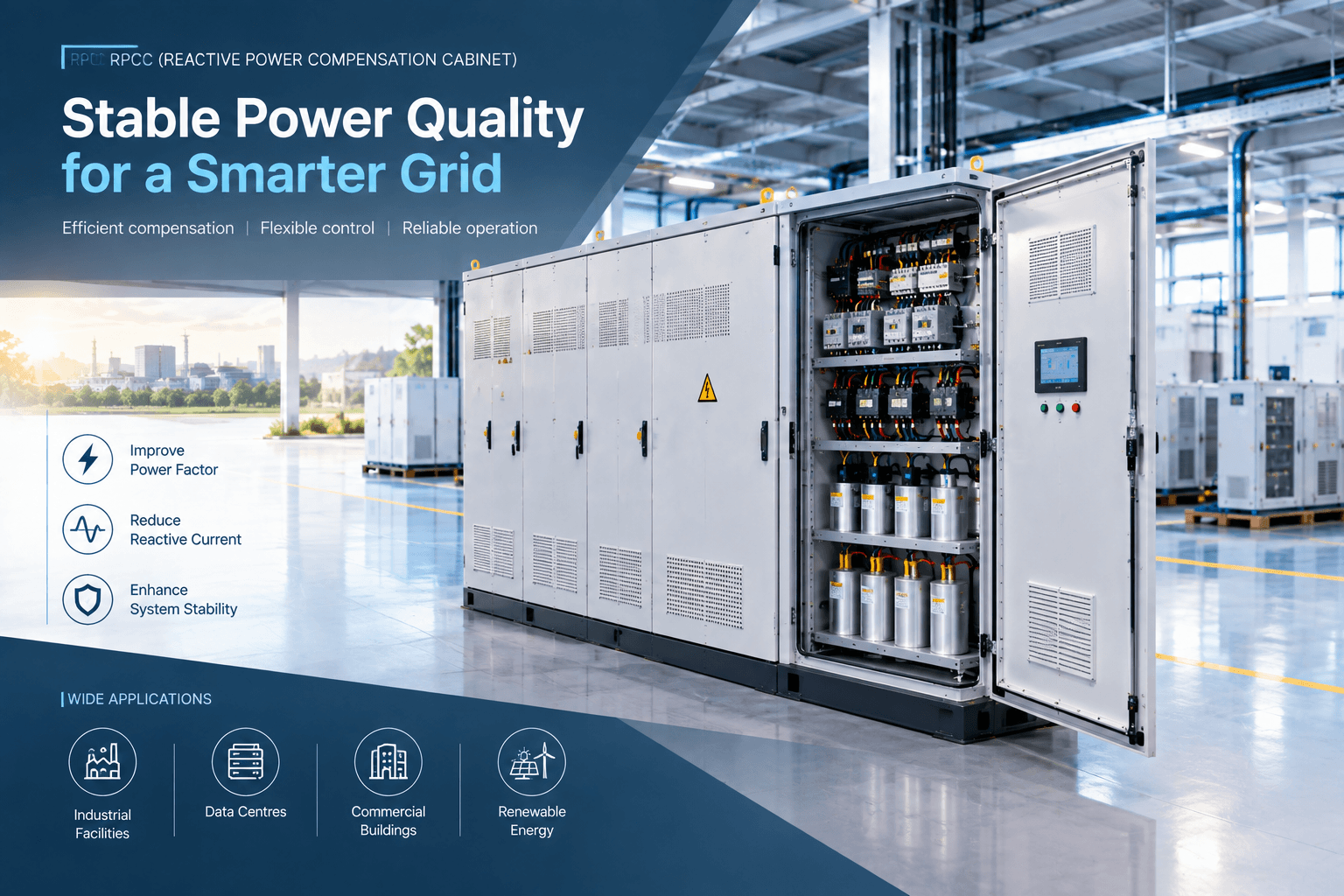
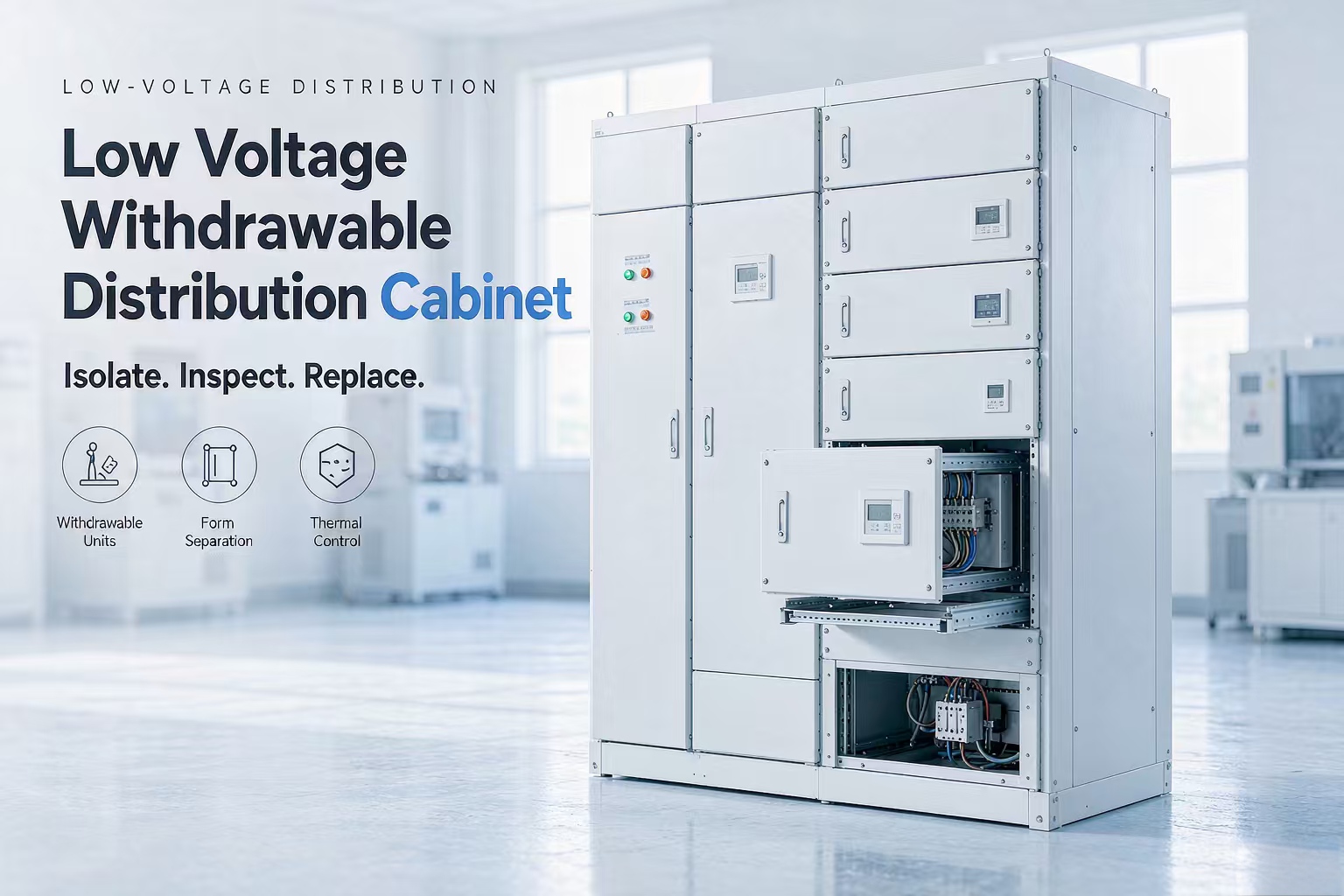
A RPCC(Reactive Power Compensation Cabinet) can be configured to provide reactive power compensation close to loads, helping improve power-factor performance and reduce unnecessary reactive current in suitable applications.
Industrial Loads Create Diverse Compensation Requirements
Motors, pumps, compressors, transformers and other inductive loads can require reactive power during operation. Manufacturing plants with frequently changing production schedules may therefore need compensation systems capable of responding to variable loads rather than relying on a fixed correction level.
Capacitor-based compensation remains an established technical approach. IEC 60831-1:2014 specifies performance, testing, safety and installation requirements for self-healing shunt power capacitors and capacitor banks used for power-factor correction in AC systems up to 1,000 V.
Intelligent Control Expands Application Flexibility
The latest generation of compensation equipment is increasingly incorporating automatic measurement and switching functions. Real-time monitoring can assess parameters such as reactive power, current and power factor, allowing compensation stages to be adjusted according to changing operating conditions.
This becomes particularly relevant for facilities with variable-speed drives, power-electronic loads or rapidly changing production processes. Excessive or poorly coordinated compensation can create its own operational issues, so equipment selection needs to consider harmonic conditions, load characteristics, switching frequency and the required compensation range.
Selection Moves Toward Application-Based Configuration
In commercial buildings, industrial plants and infrastructure facilities, compensation requirements can differ significantly according to electrical architecture and operating patterns. Cabinet capacity, capacitor type, controller response, harmonic protection, ventilation and maintenance access should therefore be evaluated together.
As electricity consumption continues to rise and electrical loads become more dynamic, RPCC(Reactive Power Compensation Cabinet) systems are developing from relatively simple correction equipment toward more responsive power-quality management assets. Their future application will depend on accurate load analysis, appropriate system sizing and coordination with the wider electrical network.