Solar-Storage Integration Creates More Flexible and Economical Power Solutions
PV and Storage Move Toward Coordinated Operation
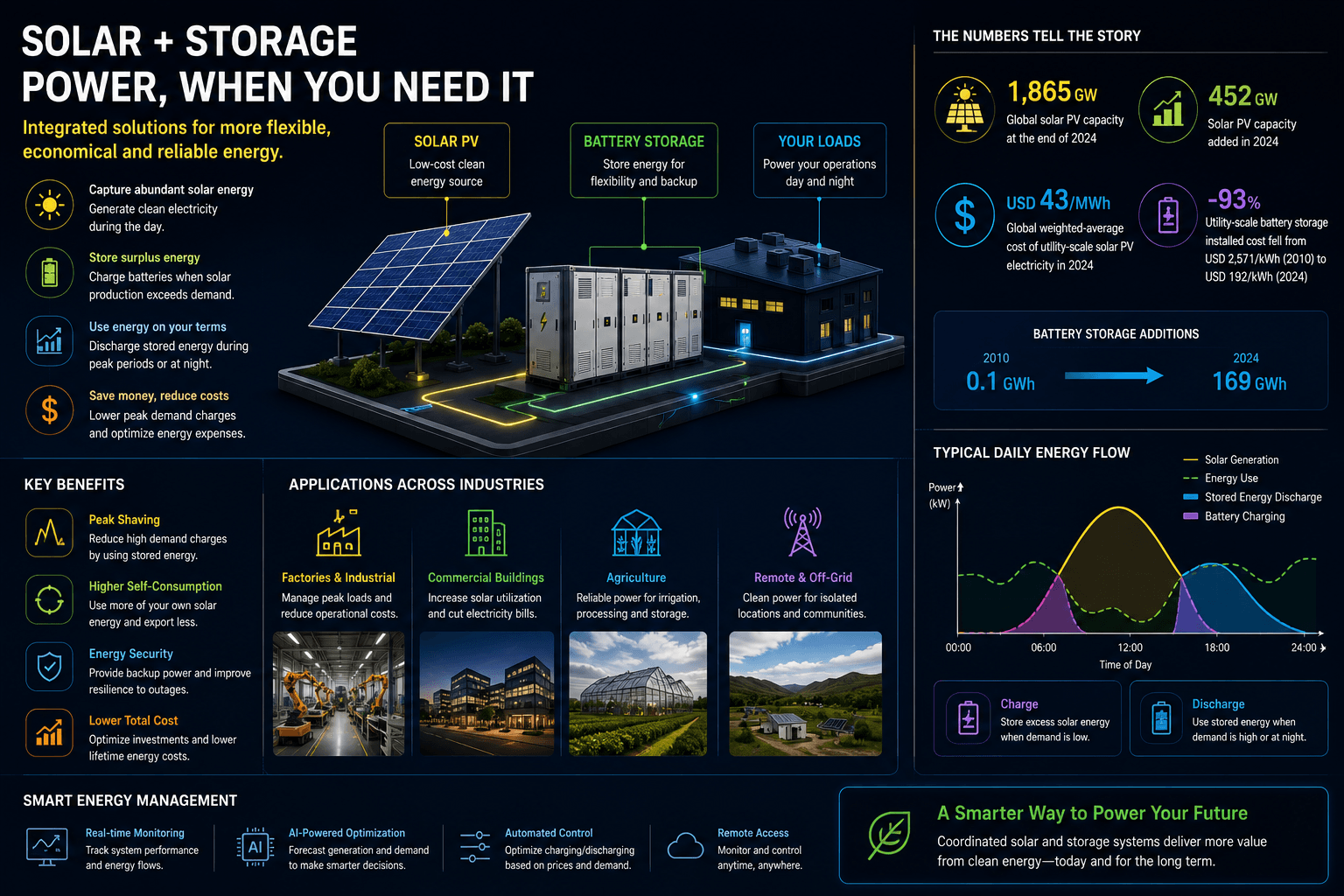
The electrical industry is seeing growing interest in combining solar generation with battery storage as electricity users seek greater control over energy costs and power consumption. Rather than treating generation and storage as separate assets, integrated systems can shift excess daytime solar production to periods of higher demand. This approach is becoming more relevant for factories, commercial buildings, agricultural facilities and remote power systems.
According to the International Renewable Energy Agency, global solar PV capacity reached 1,865 GW at the end of 2024, with 452 GW added during the year. The same analysis shows that utility-scale solar PV achieved a global weighted-average electricity cost of about USD 43/MWh in 2024.
Storage Improves Energy Use and Peak Management
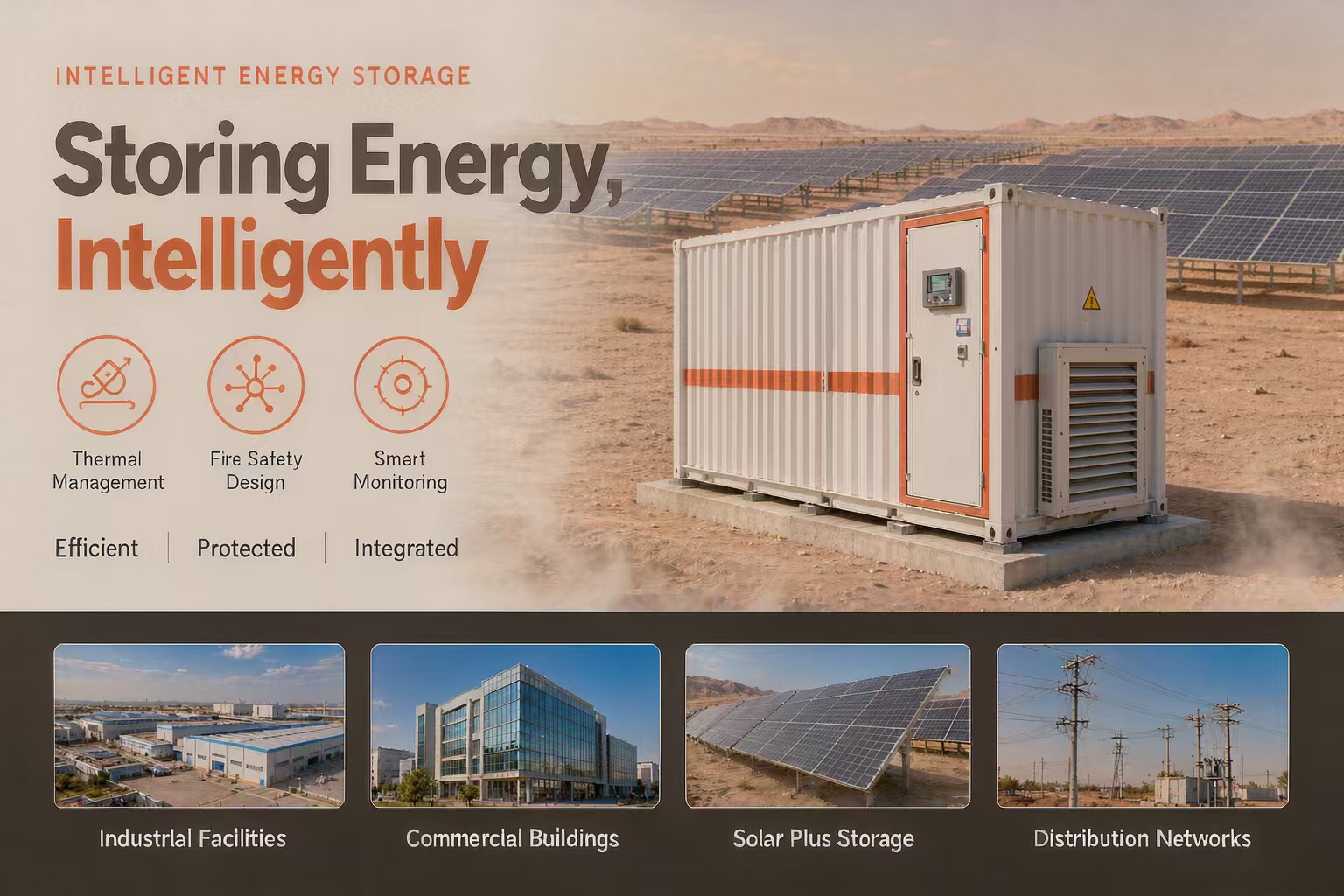
Battery systems can increase the share of locally generated electricity that is consumed on site. They can store surplus solar power during low-demand periods and release it when electricity consumption rises, potentially reducing purchases during expensive peak periods. For commercial and industrial users, this operating model can also improve the utilization of existing electrical infrastructure.
Battery economics have changed significantly. IRENA reports that the installed cost of utility-scale battery energy storage fell 93% between 2010 and 2024, from USD 2,571/kWh to USD 192/kWh. Annual gross battery-storage additions reached 169 GWh in 2024, compared with only 0.1 GWh in 2010.
Different Applications Require Different Configurations
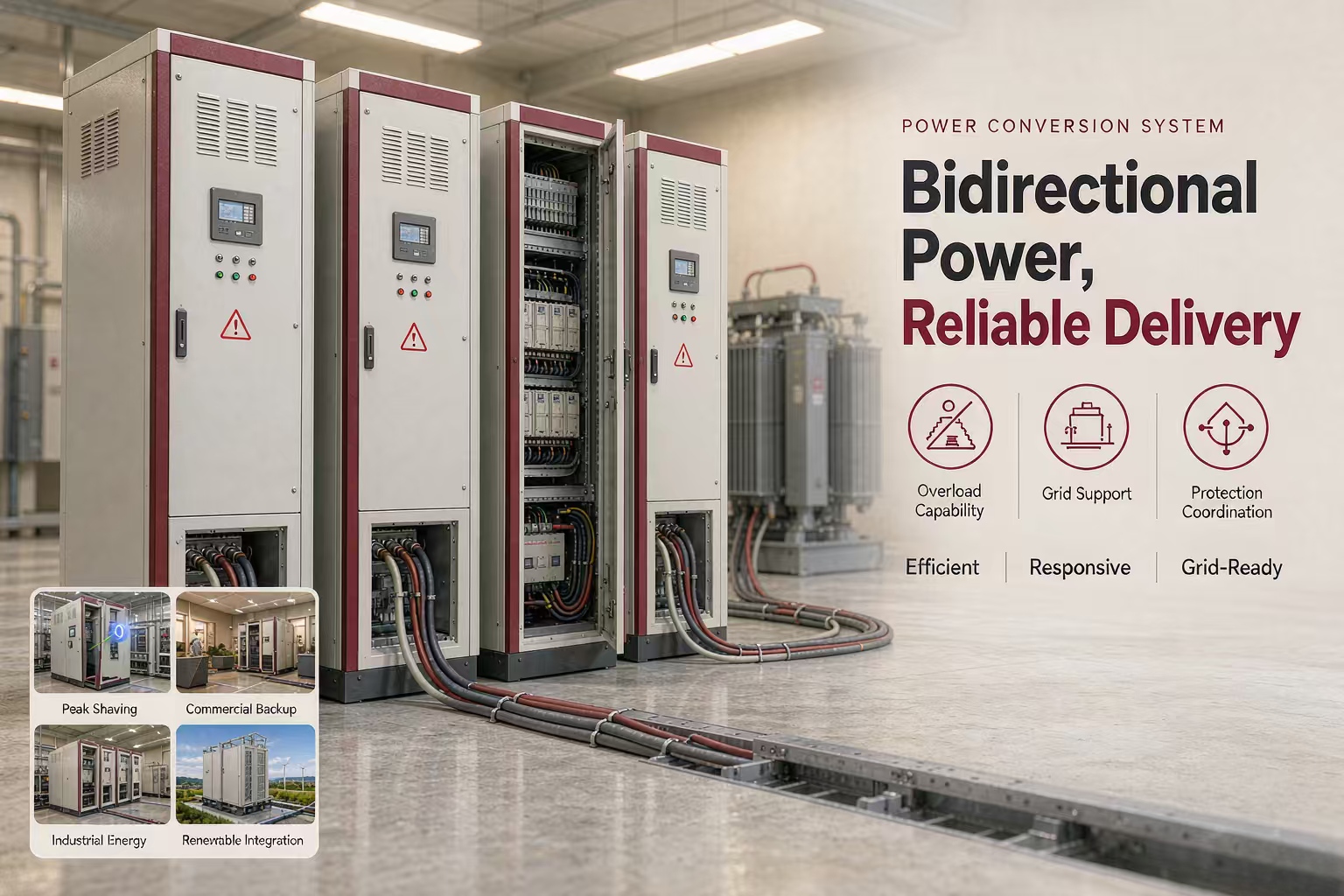
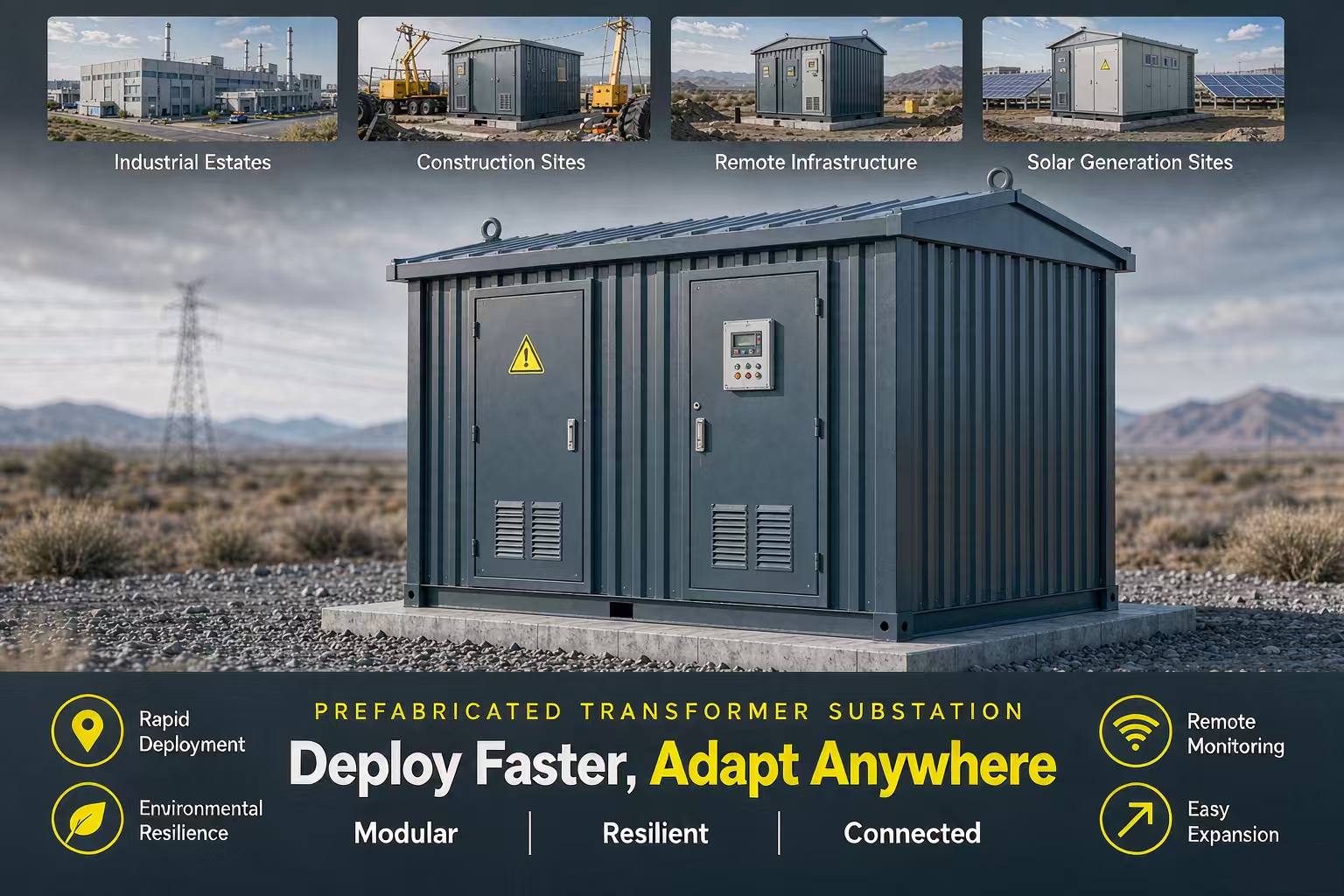
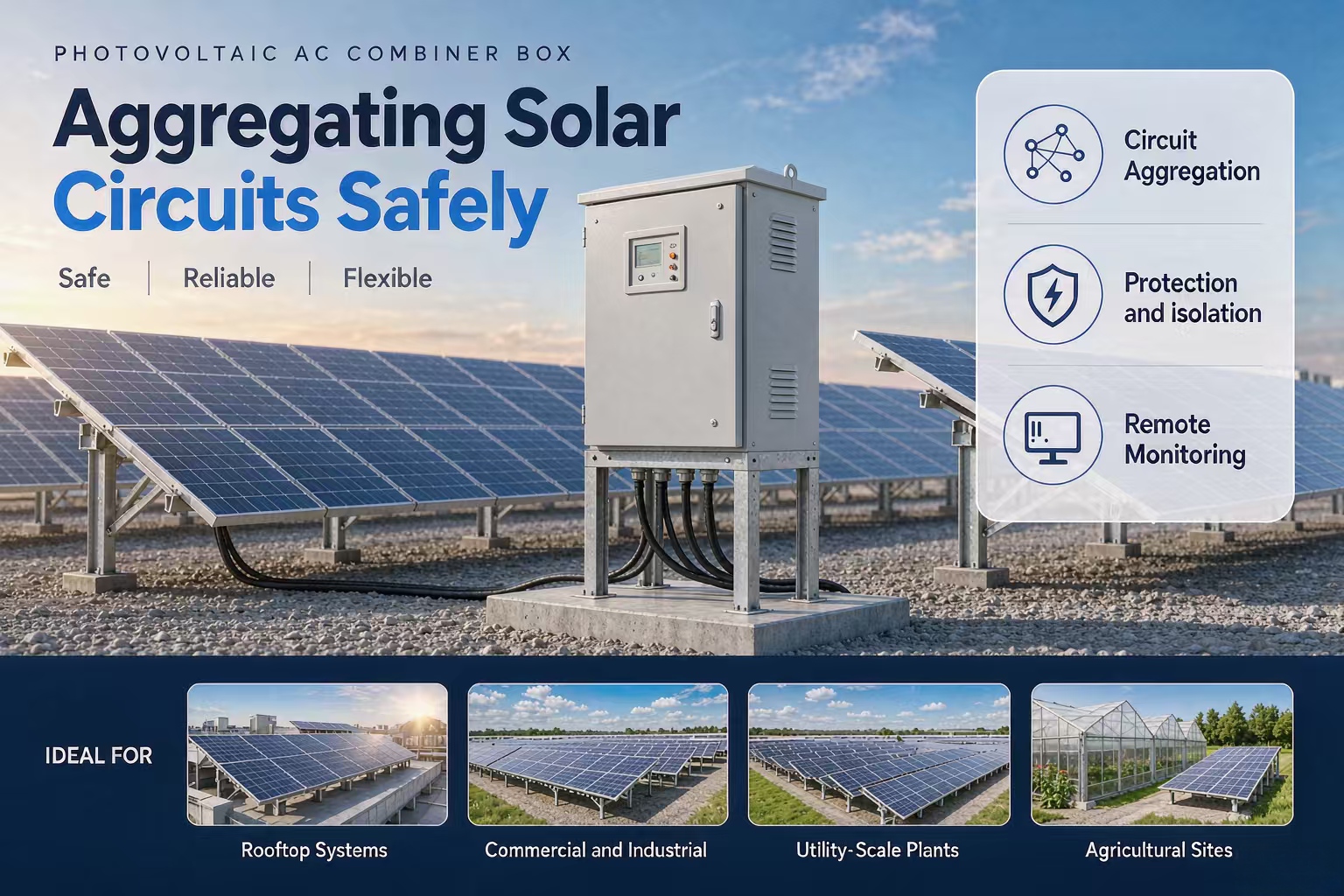
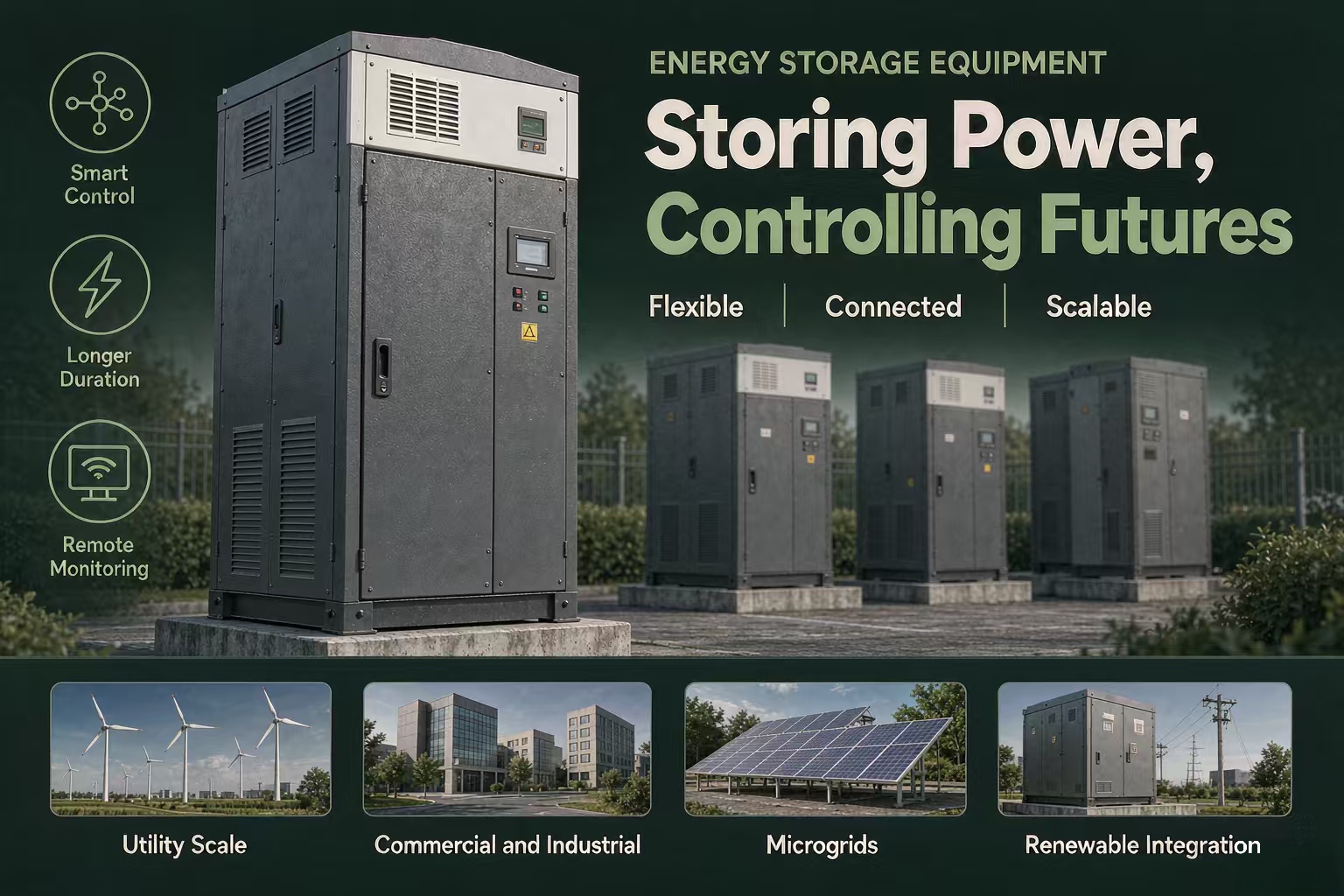
The economic value of solar-storage systems depends strongly on local electricity prices, load profiles, grid conditions and system size. Photovoltaic Complete Equipment is increasingly paired with Energy Storage Equipment in several application scenarios. Factories can use storage for peak-load management, commercial buildings can improve daytime solar utilization, while remote sites can combine solar and batteries to reduce reliance on diesel generation.
Hybridization is also becoming more common at utility scale. IRENA notes that solar PV is increasingly being paired with batteries to provide firmer output, peak shaving, frequency regulation and grid-balancing services.
Intelligent Energy Management Becomes More Important
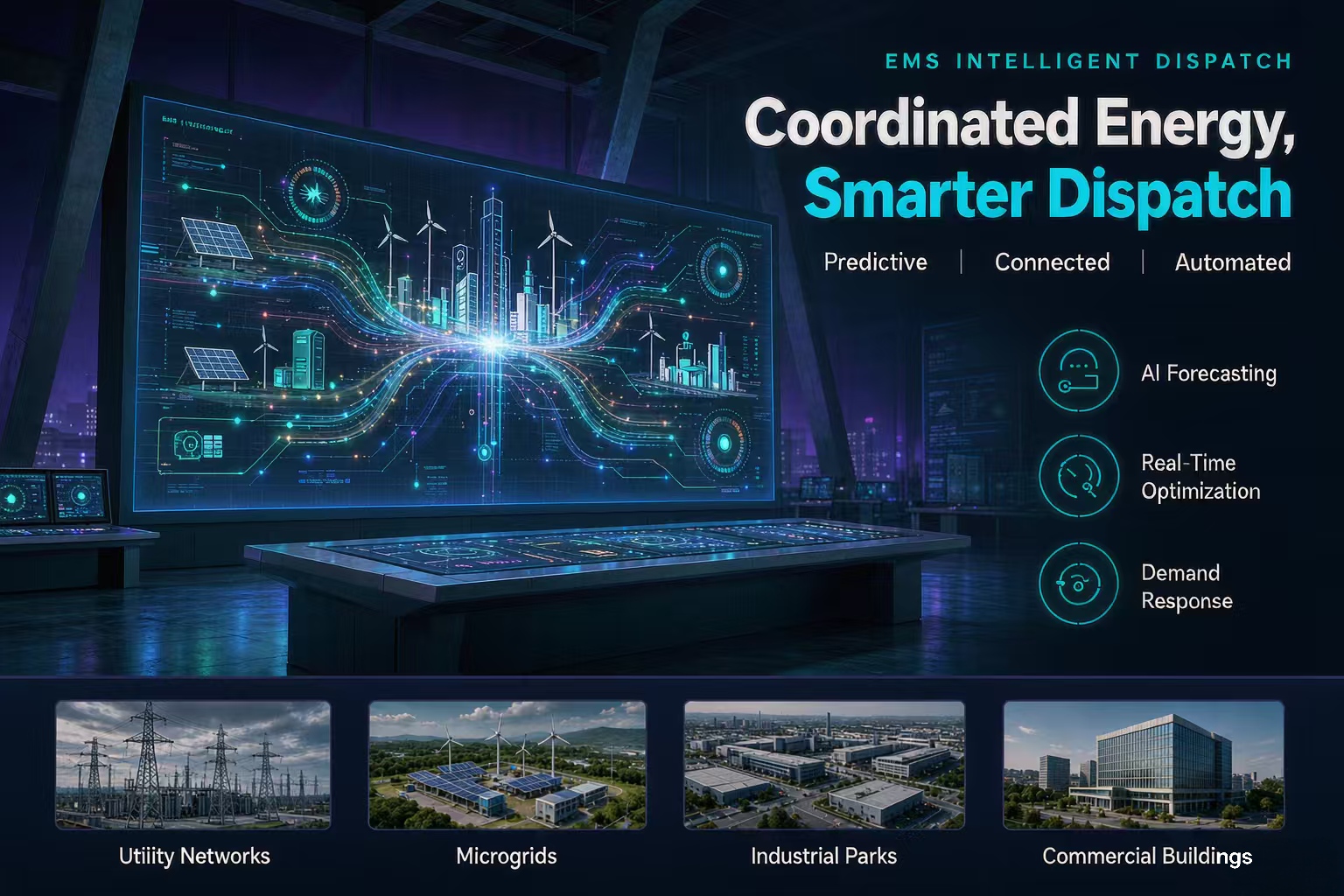
As solar-storage installations grow, digital energy-management systems are becoming an important part of system design. Forecasting, automated charging and discharging, load analysis and remote monitoring can help optimize system operation according to electricity prices and demand patterns.
The overall trend is not simply toward installing more generation or storage capacity, but toward coordinating both assets more efficiently. For electrical equipment users, this creates broader choices in system configuration and provides a pathway toward more predictable energy costs and more flexible power consumption.