South America’s Energy Storage Market Moves Toward Commercial Scale
Battery Storage Enters a New Market Phase
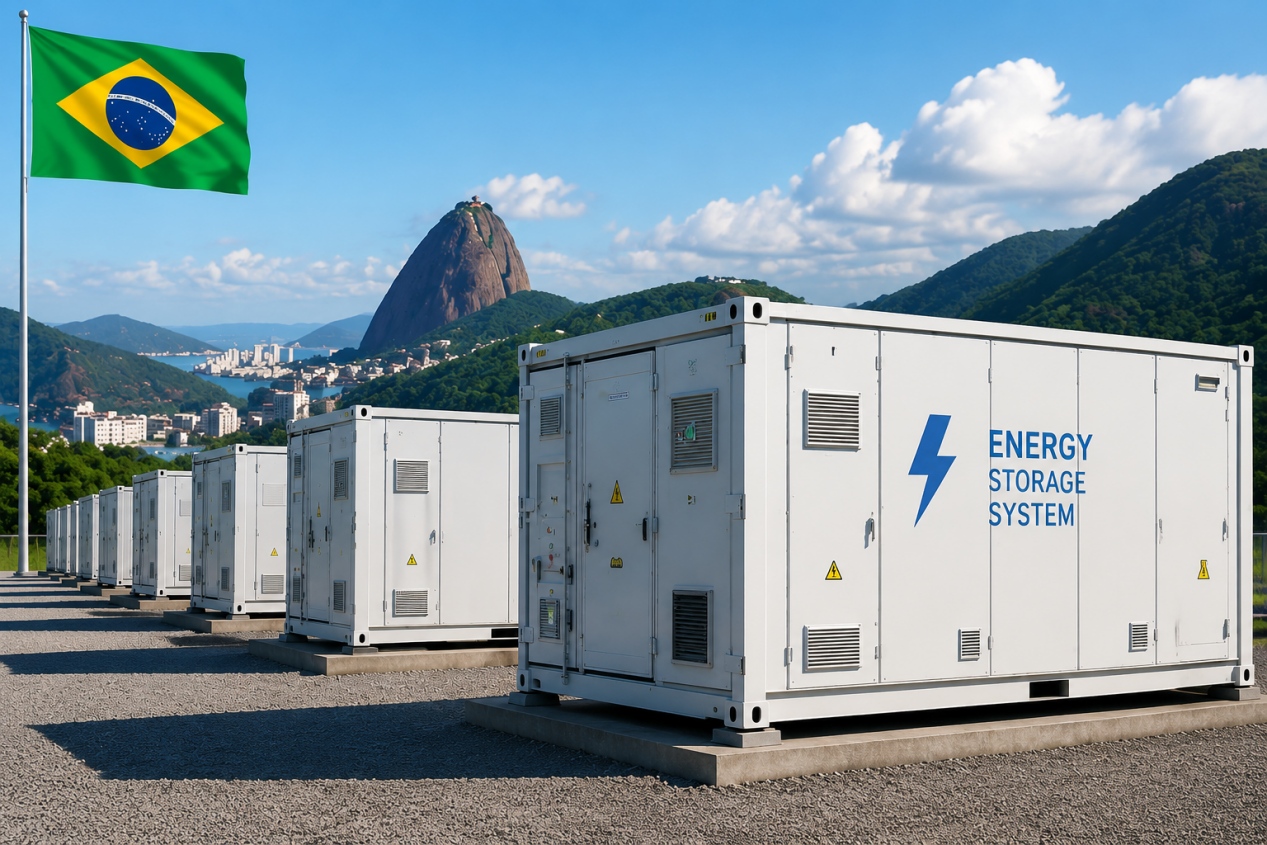
South America’s energy storage sector is attracting increasing attention as battery technology moves from pilot applications toward larger-scale commercial deployment. Brazil is currently emerging as one of the region’s most active markets. In July 2026, the country opened public consultations for its first power-capacity auctions specifically designed for battery energy storage systems, marking a significant step toward establishing a formal procurement mechanism for storage.
Brazil Signals Strong Project Interest
The scale of market participation has been notable. According to Brazil’s energy planning authority, 6,091 projects representing approximately 296.8 GW of registered capacity expressed interest in the 2026 storage capacity auctions. The proposed contracts are designed for 15 years from August 2028, with eligible systems required to provide at least four hours of dispatchable capacity.
Equipment Requirements Become More Specific
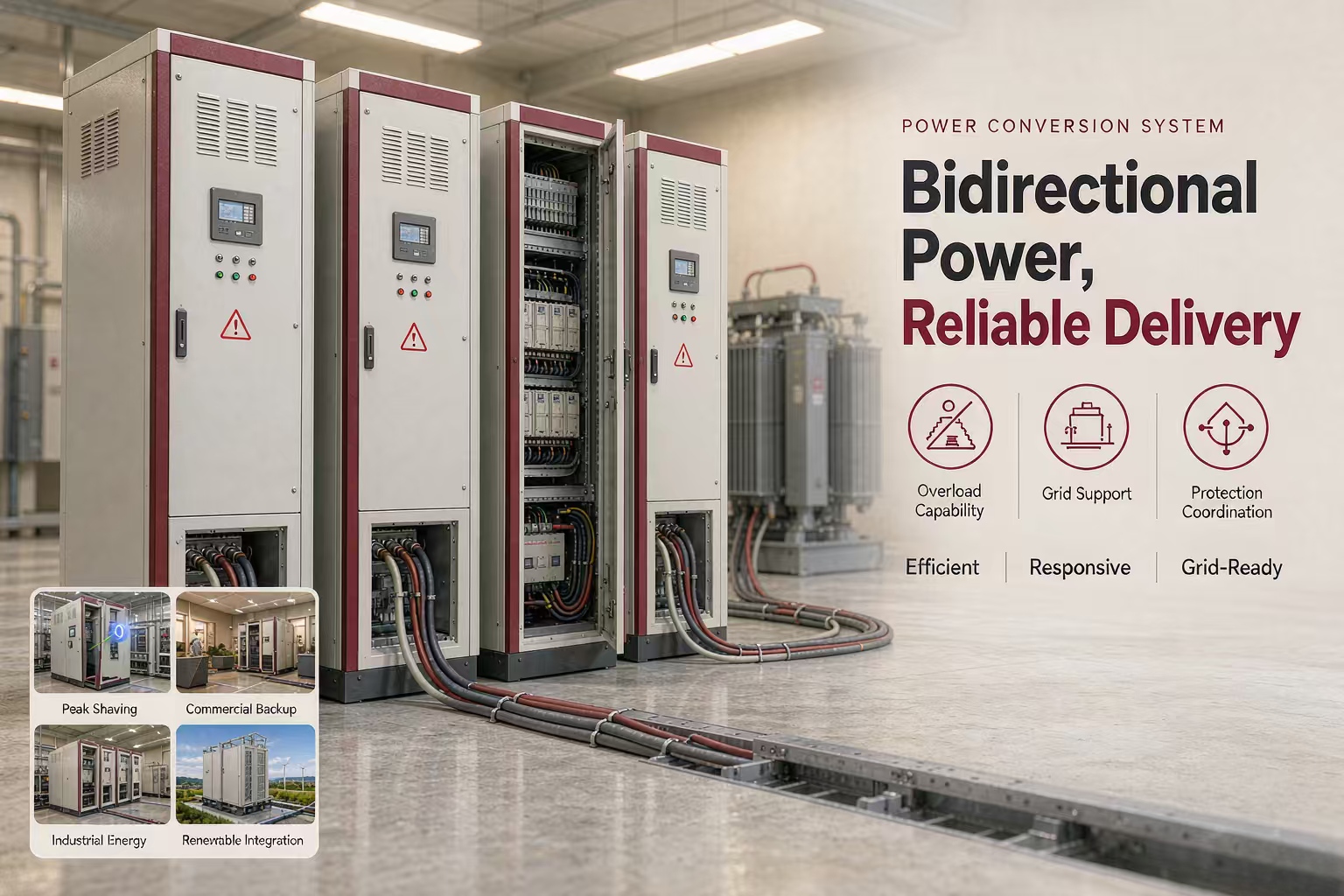
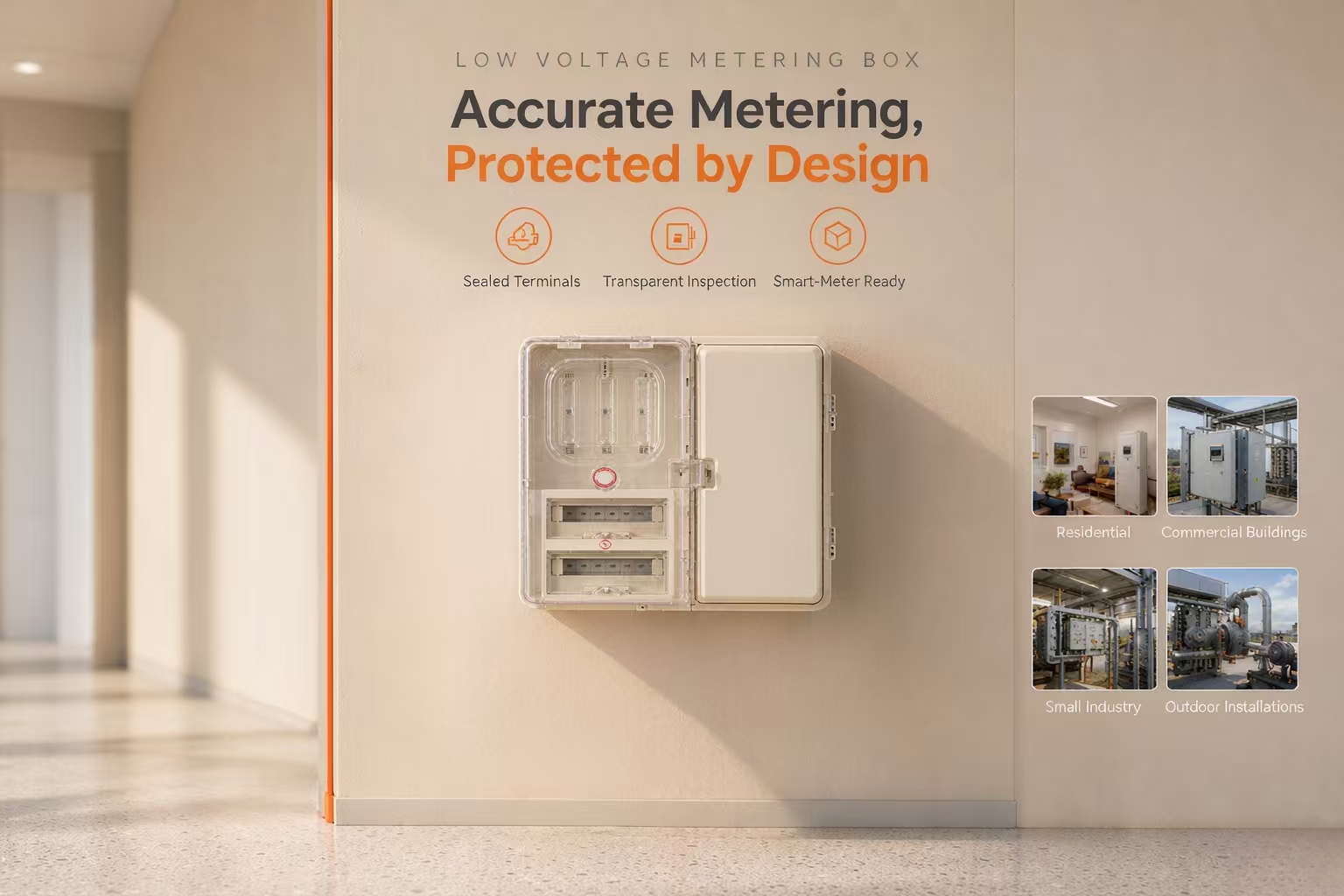
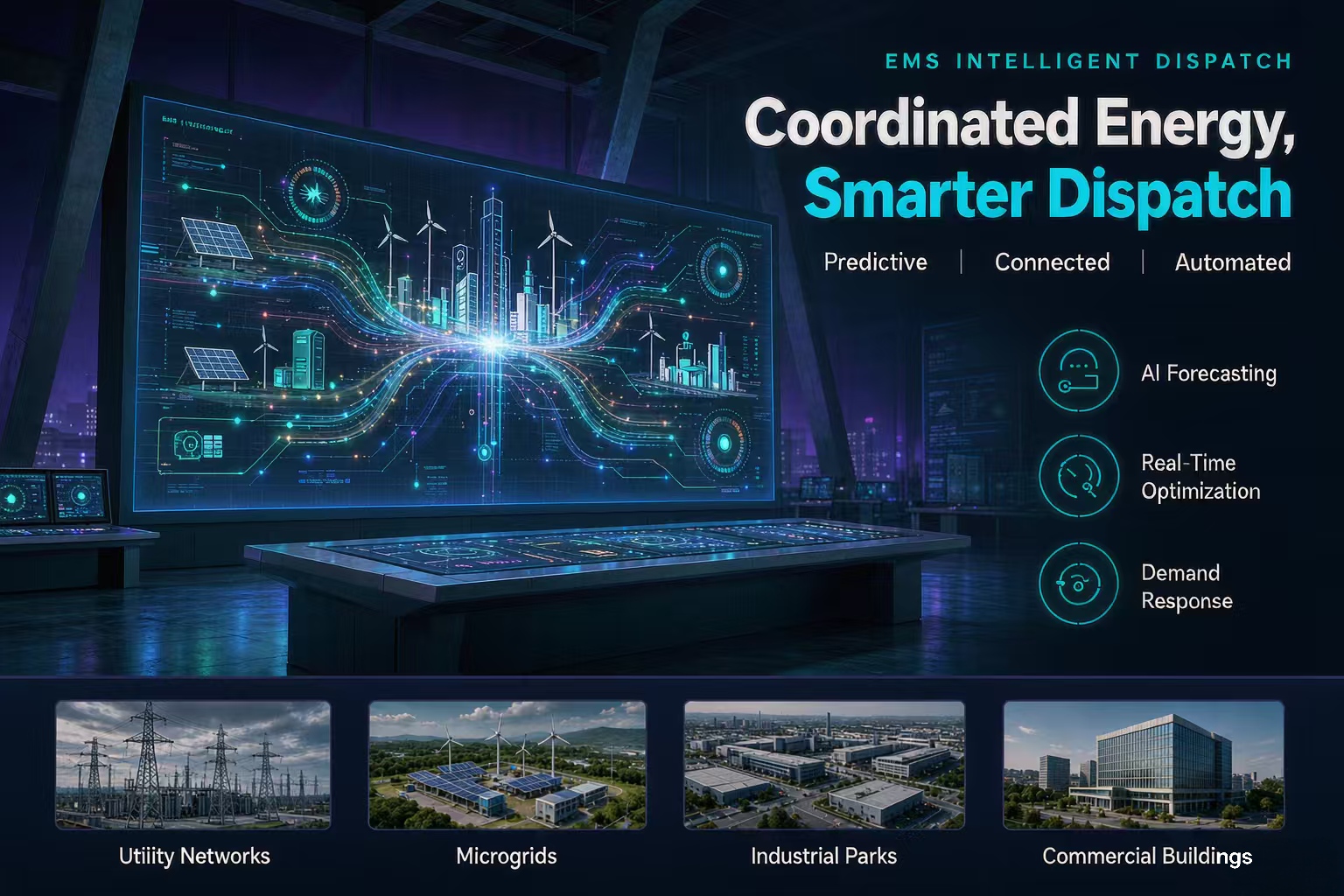
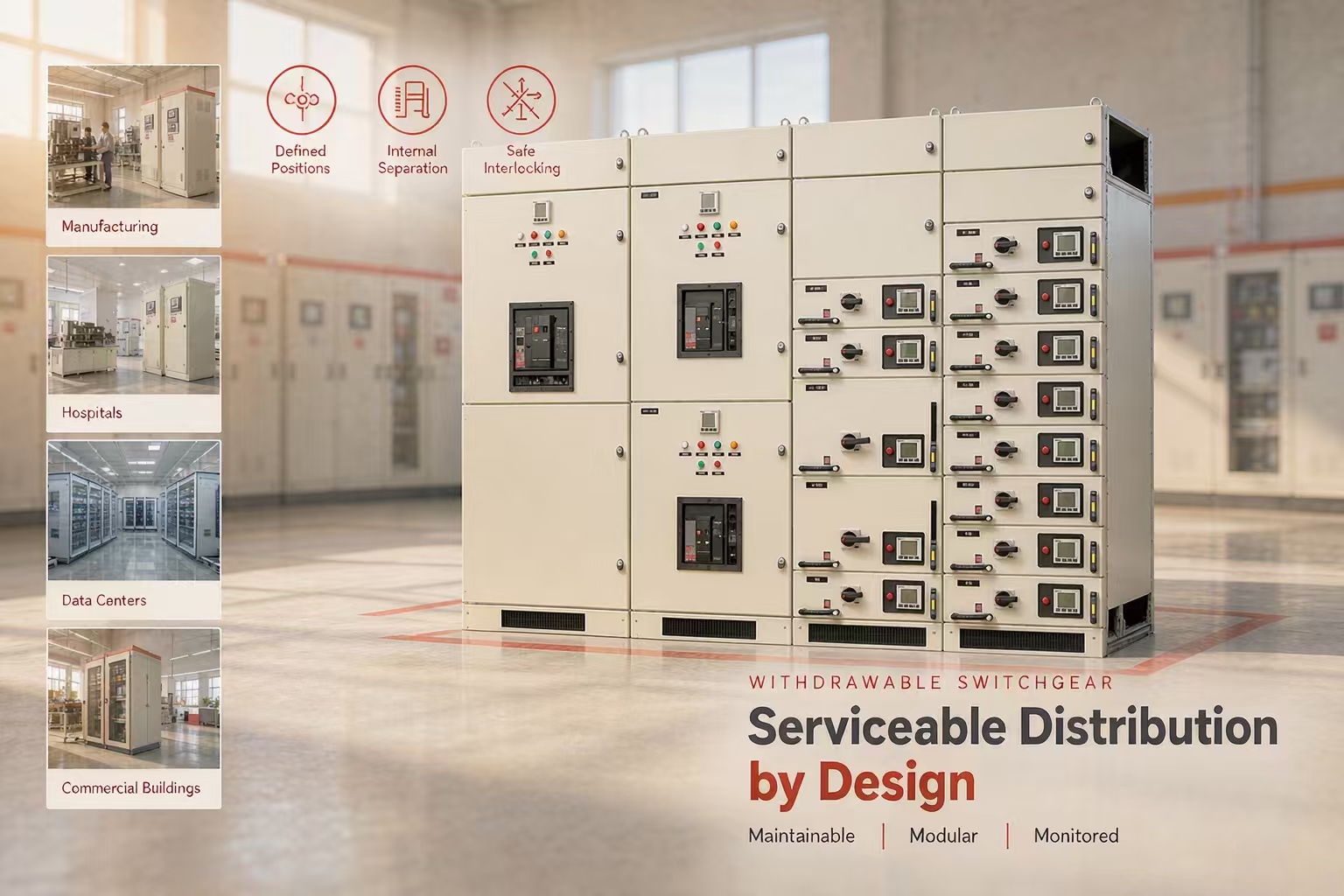
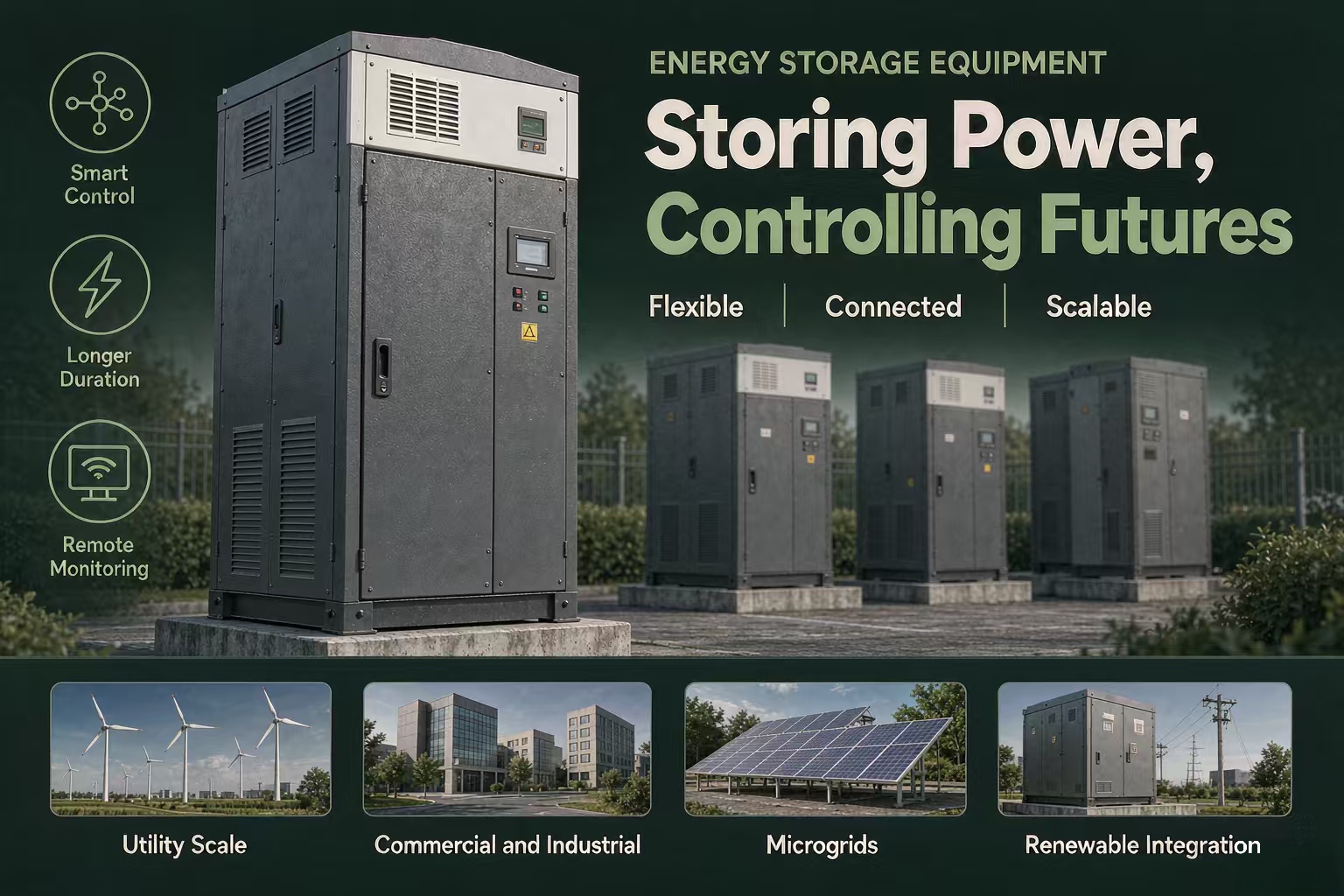
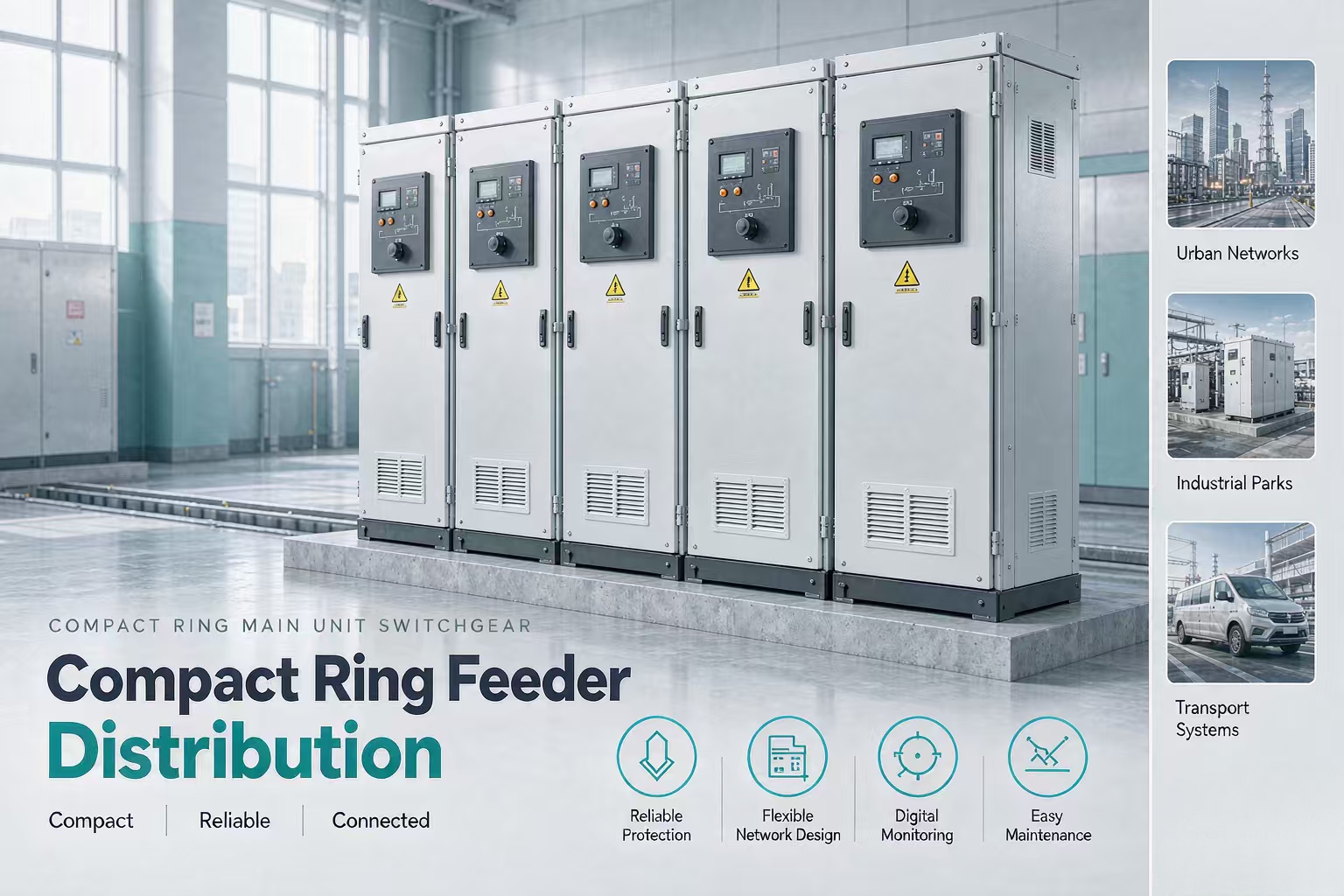
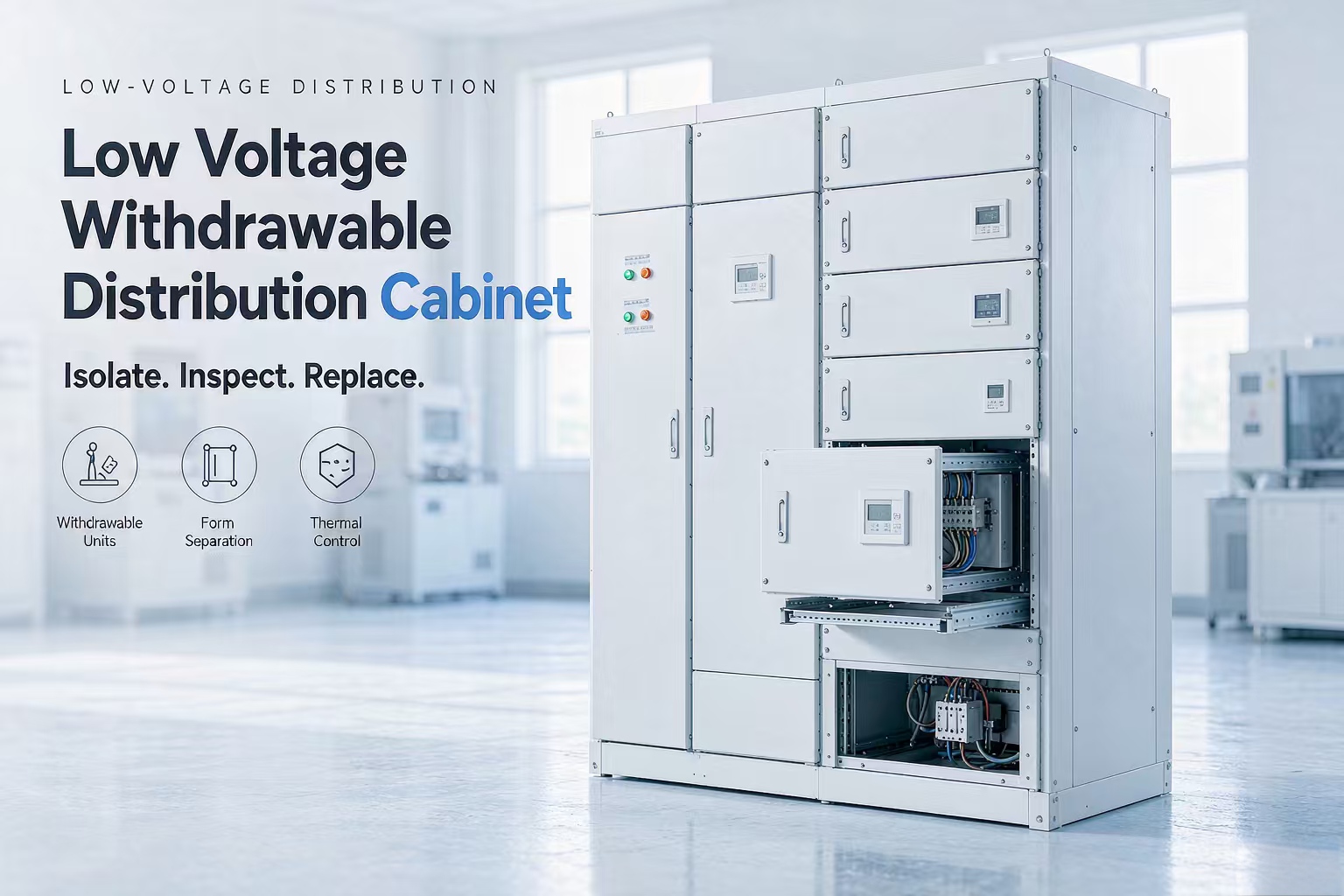
The development of a dedicated procurement framework is also bringing greater attention to technical requirements, connection conditions and equipment configuration. For utility-scale applications, energy storage equipment will need to work alongside protection, control and distribution systems. Depending on project design, low-voltage switchgear and other electrical equipment may form part of the balance-of-system infrastructure supporting battery installations.
Regional Opportunities Extend Beyond One Market
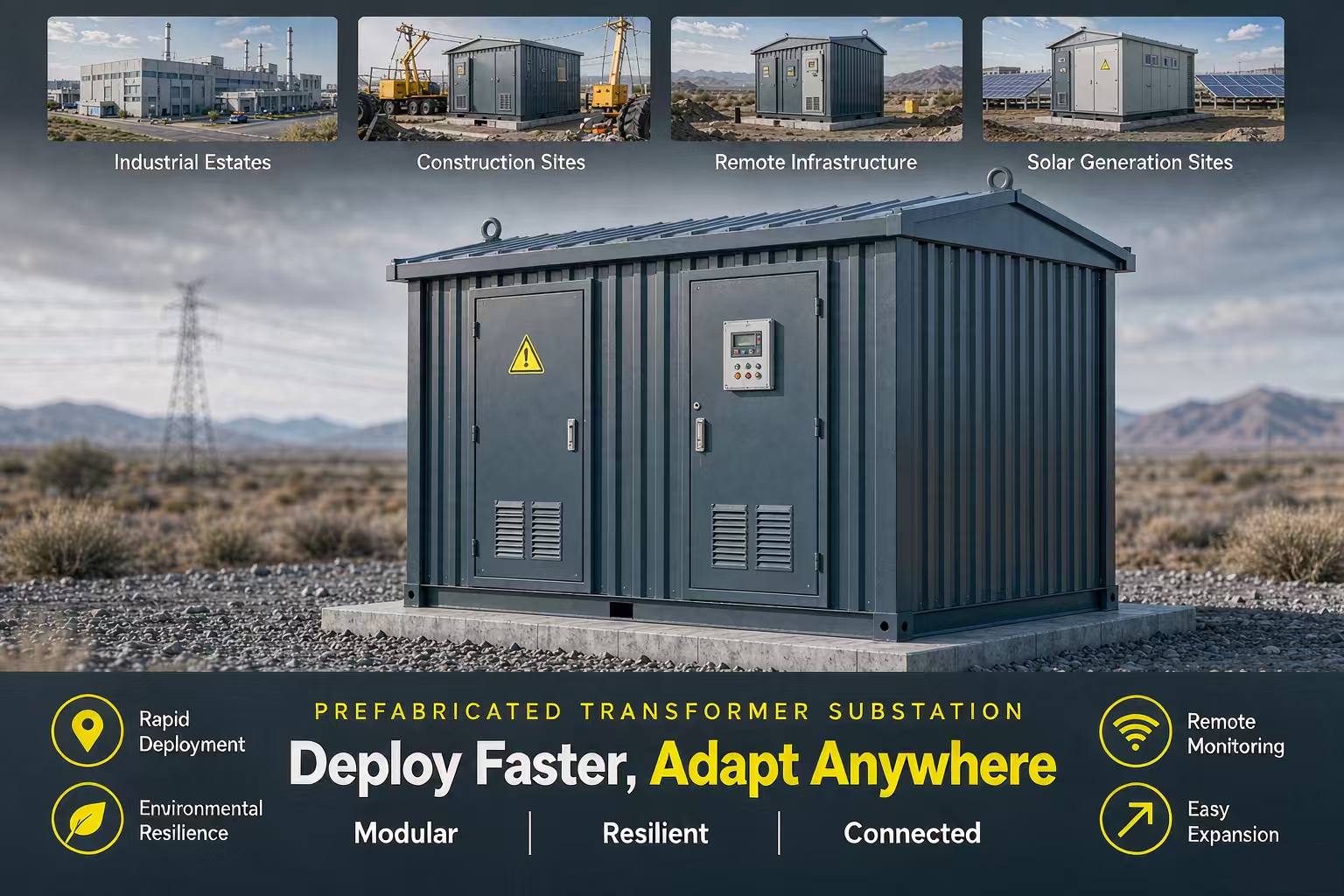
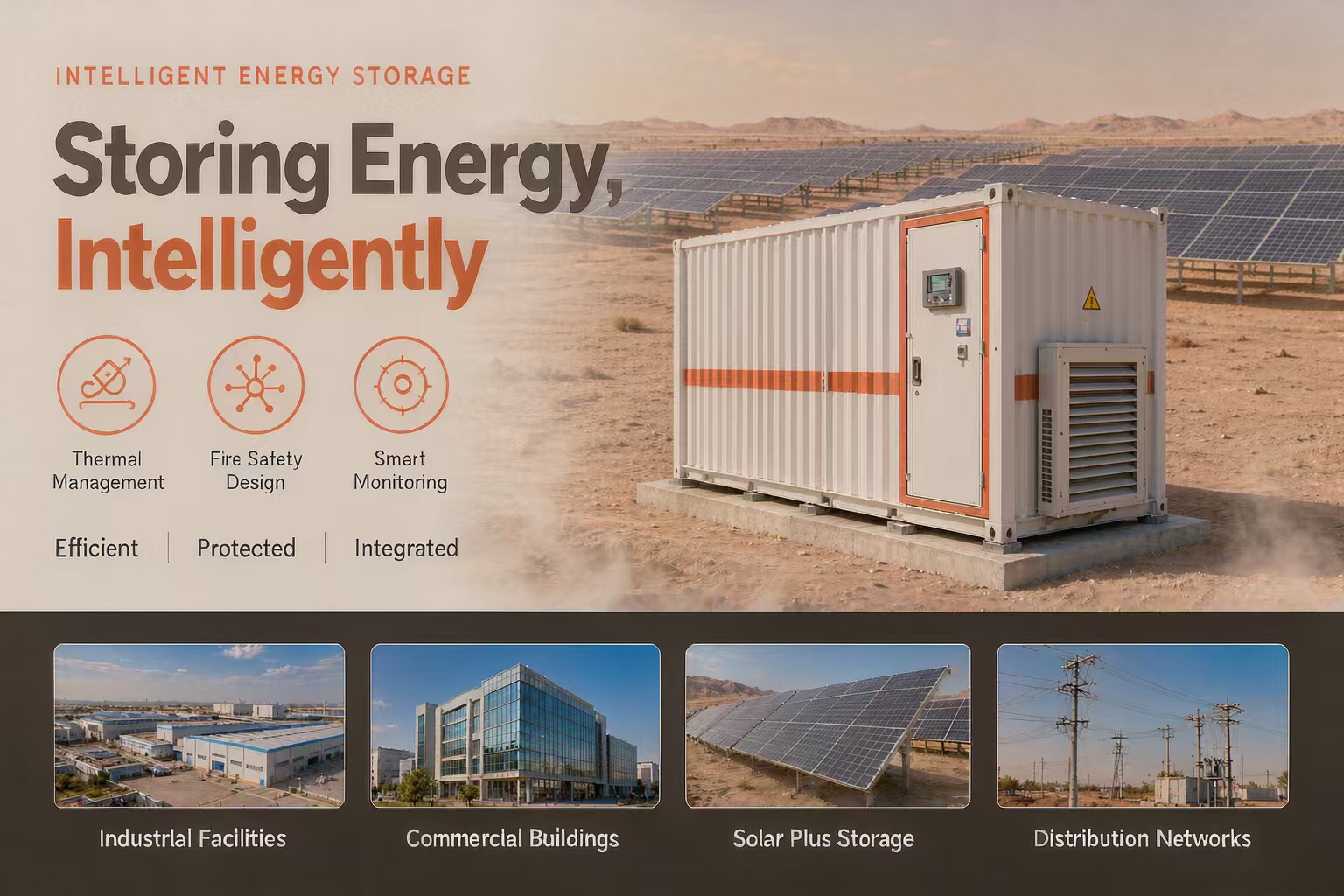
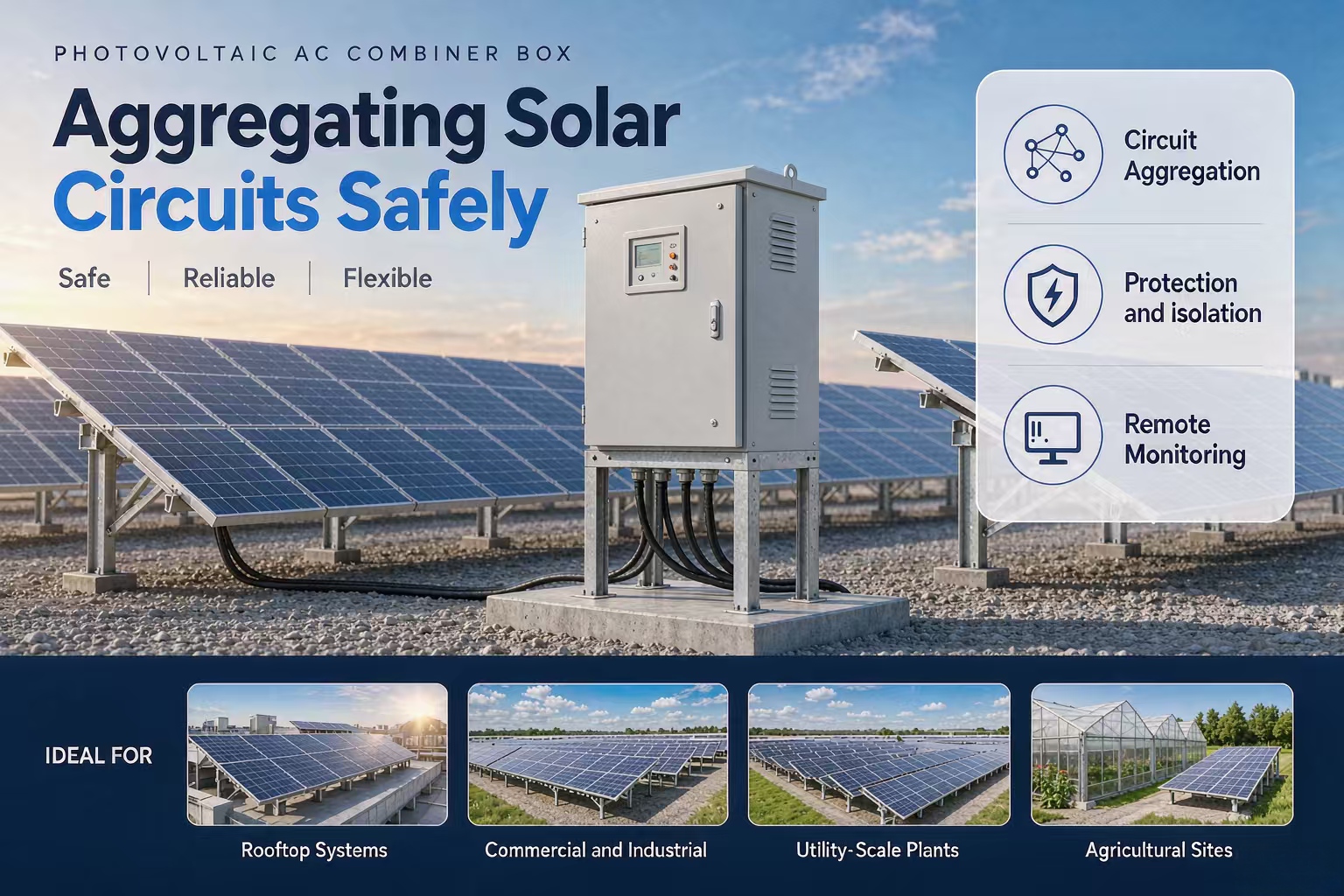
Although Brazil is currently providing one of the clearest regulatory signals, storage development across South America is also being influenced by the expansion of solar generation and the need to manage changing electricity supply patterns. Photovoltaic equipment paired with storage can help address periods of variable generation, while localized systems using a box substation can support selected distributed-power applications.
The region’s storage market remains at different stages of development from country to country. Nevertheless, the emergence of formal capacity procurement, clearer technical rules and growing project pipelines suggests that battery storage is gradually becoming an identifiable component of South America’s future power infrastructure.