



Why Kema and Asta Certifications Matter for Busway Systems
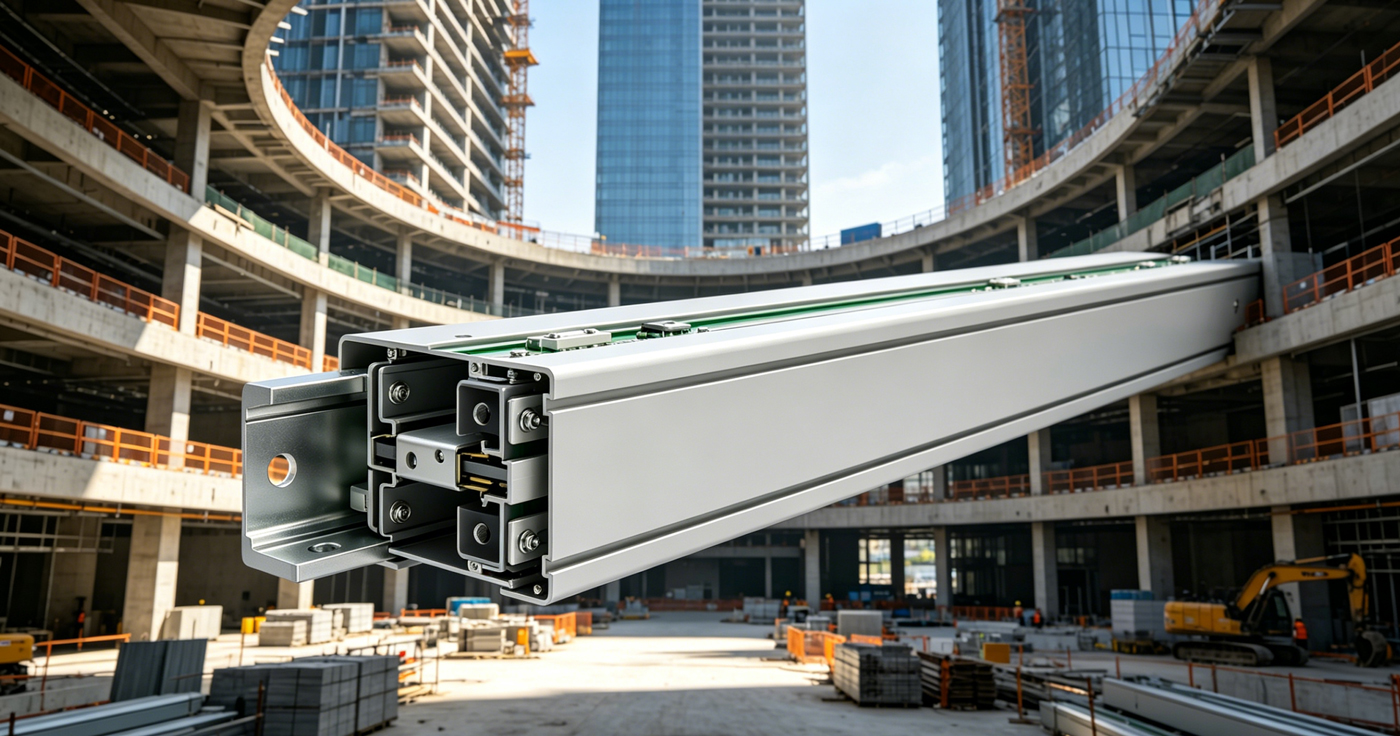
When constructing super high-rise buildings, massive commercial complexes, or heavy industrial plants, the power distribution network acts as the central nervous system of the entire structure. For the main power arteries—compact busway systems—safety, heat dissipation, and short-circuit withstand capabilities are non-negotiable.
To provide data-driven trust and guarantee compliance for cross-border engineering projects, procurement managers must look beyond basic specifications and demand world-renowned international certifications: ASTA and KEMA.
Recognized by UKAS (United Kingdom Accreditation Service), ASTA certification involves rigorous, independent testing of electrical equipment to ensure it fully complies with stringent IEC (International Electrotechnical Commission) standards.
Issued by the globally respected DEKRA certification body based in the Netherlands, the KEMA mark is recognized worldwide as the ultimate symbol of electrical safety and quality.
Achieving these certifications is not a simple paperwork exercise; it requires the busway system to pass destructive and extreme-condition laboratory testing:
In the event of a catastrophic grid fault, the busway must withstand immense mechanical and thermal stress without deforming, exploding, or causing a fire. Certified systems guarantee high-fault current endurance.
High-capacity power transmission generates heat. KEMA and ASTA tests verify that the "sandwich" structure and premium insulation (such as Class-B or higher) effectively dissipate heat, preventing insulation breakdown over decades of continuous use.
The certifications validate the structural integrity of the housing, ensuring the copper or aluminum conductors are protected against dust, moisture, and water ingress in harsh environments.