
Why the Low Voltage Metering Box Is So Important to the Entire Distribution System
Accurate Metering Forms the Basis of Distribution Management
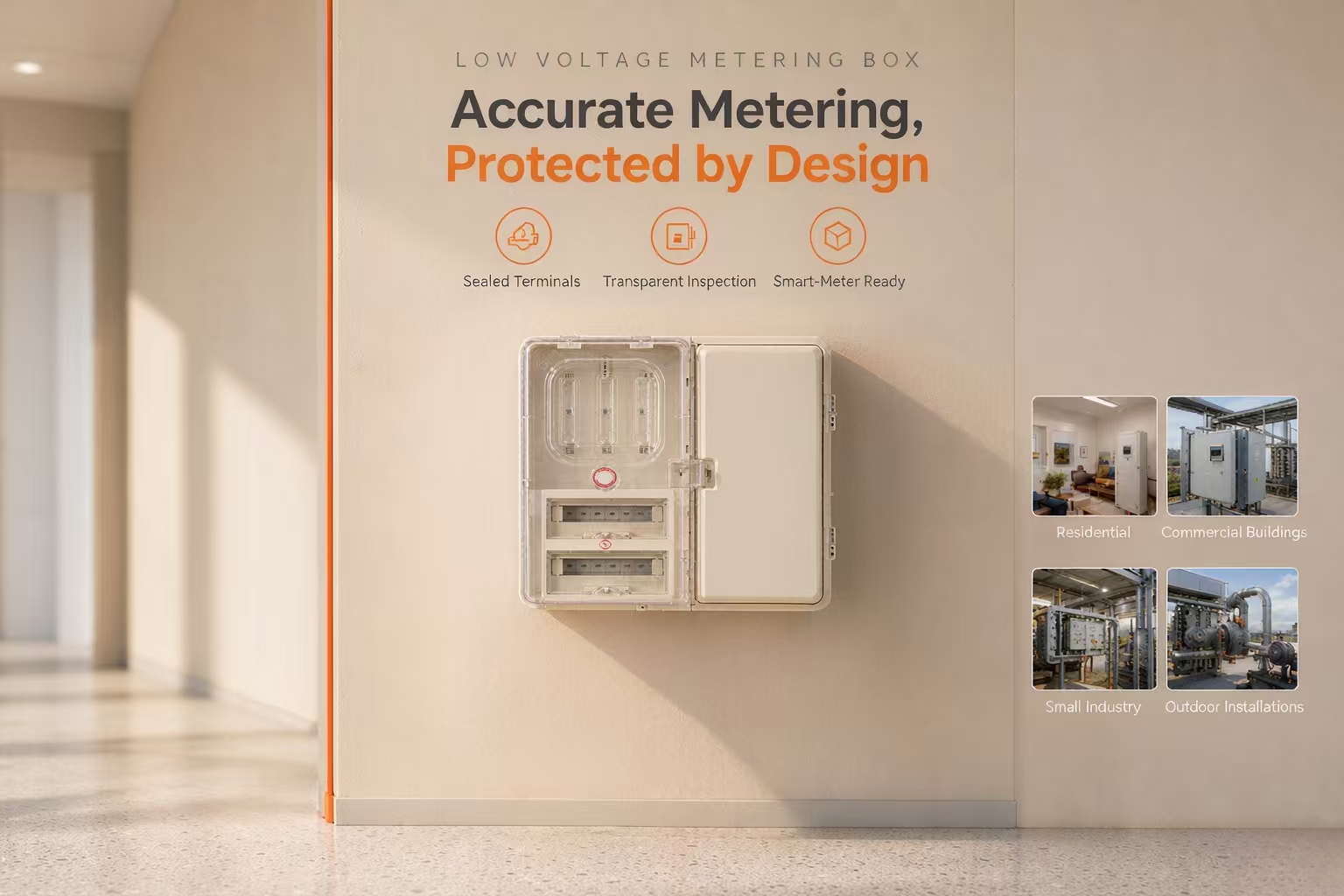
As electricity consumption becomes more diversified across residential buildings, commercial facilities and industrial premises, accurate measurement is increasingly important for managing distribution systems. A Low Voltage Metering Box provides an organized installation point for electricity meters, wiring terminals and associated protective components, helping maintain clear connections between the supply network and end users.
The expansion of digital metering illustrates this growing importance. According to the European Commission, approximately 60% of European households had electricity smart meters by the end of 2024, while 15 EU countries had achieved penetration rates exceeding 80%. This shift is increasing the need for metering installations that can accommodate digital communication and reliable data collection. (European Commission)
Technical Requirements Extend Beyond Measurement Accuracy
Reliable metering depends on more than the performance of the meter itself. Enclosure protection, insulation, terminal security, wiring quality and resistance to environmental influences all affect long-term operation. IEC 62052-11:2020 establishes general requirements and testing procedures for electricity meters, including functional, mechanical and electrical characteristics, as well as immunity to electromagnetic and climatic influences. Its scope covers networks up to 1,000 V AC or 1,500 V DC. (IEC 62052-11)
During equipment selection, engineers should evaluate operating temperature, moisture exposure, dust protection, available installation space and access for inspection. Sealing arrangements and secure terminal compartments are also important for preventing unauthorized interference and maintaining measurement integrity.
Applications Require Different Metering Configurations
Residential developments may require multiple meters arranged in shared service areas, whereas commercial buildings often need clearly separated metering for tenants and common facilities. Small industrial installations may place greater emphasis on current capacity, thermal performance and safe access during maintenance.
Outdoor installations introduce additional challenges, including sunlight, rain, humidity and temperature fluctuations. Consequently, enclosure materials, ingress protection and mounting arrangements should be selected according to actual site conditions and local utility requirements rather than a single standardized configuration.
Digital Compatibility Shapes Future Development
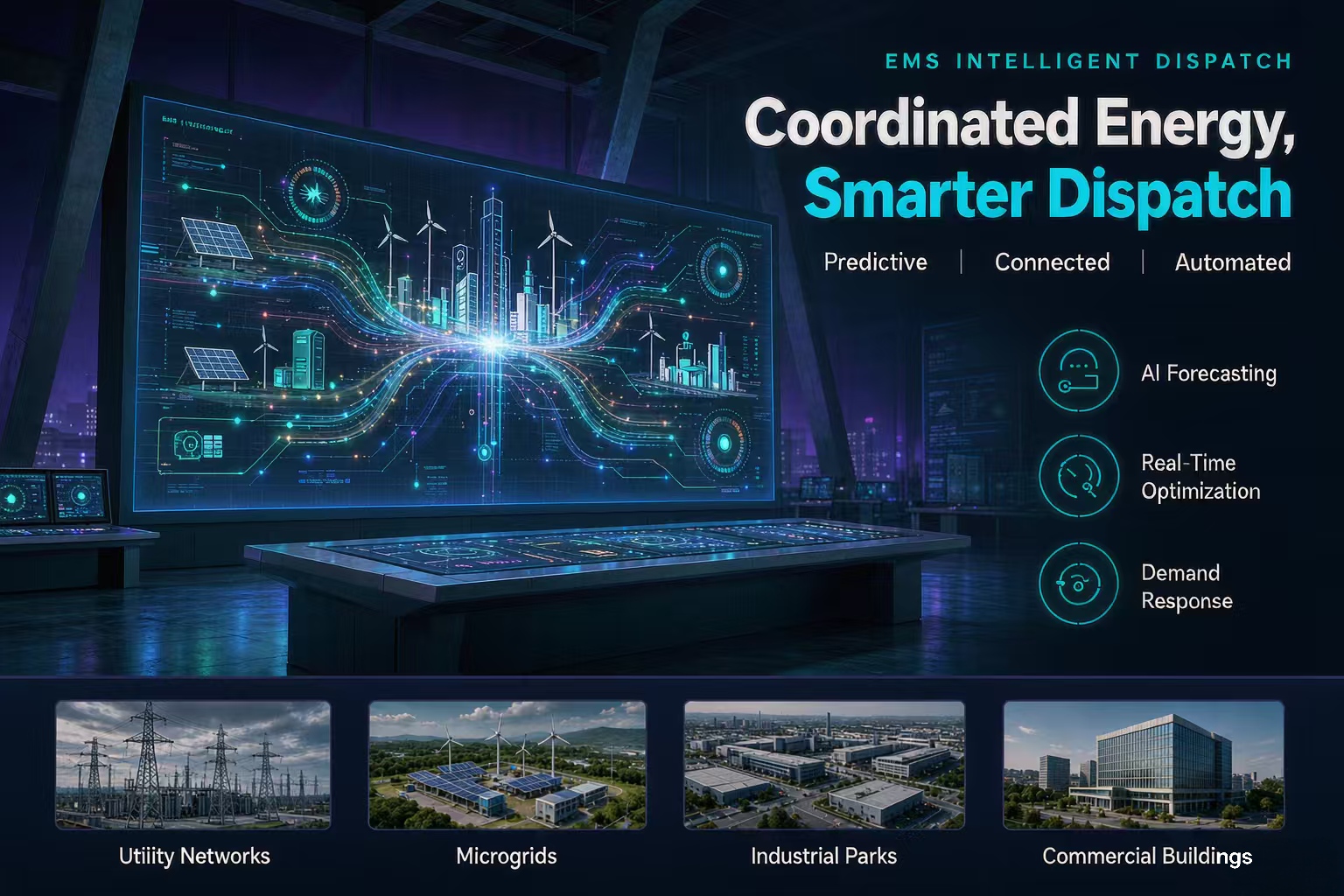
Modern metering installations increasingly need to support remote readings, consumption analysis and integration with energy-management platforms. A well-designed Low Voltage Metering Box can provide the physical organization and protection required for these functions while allowing future upgrades to compatible meters and communication modules.
As electricity systems become more data-driven, metering infrastructure is gaining importance beyond billing alone. Accurate measurements support load analysis, loss identification and better-informed distribution planning. The future development of metering enclosures will therefore depend on balancing electrical safety, measurement integrity, environmental protection, digital compatibility and ease of maintenance.