Why Withdrawable Low-Voltage Cabinets Are Gaining Attention in Modern Electrical Systems
Growing Load Complexity Changes Distribution Requirements
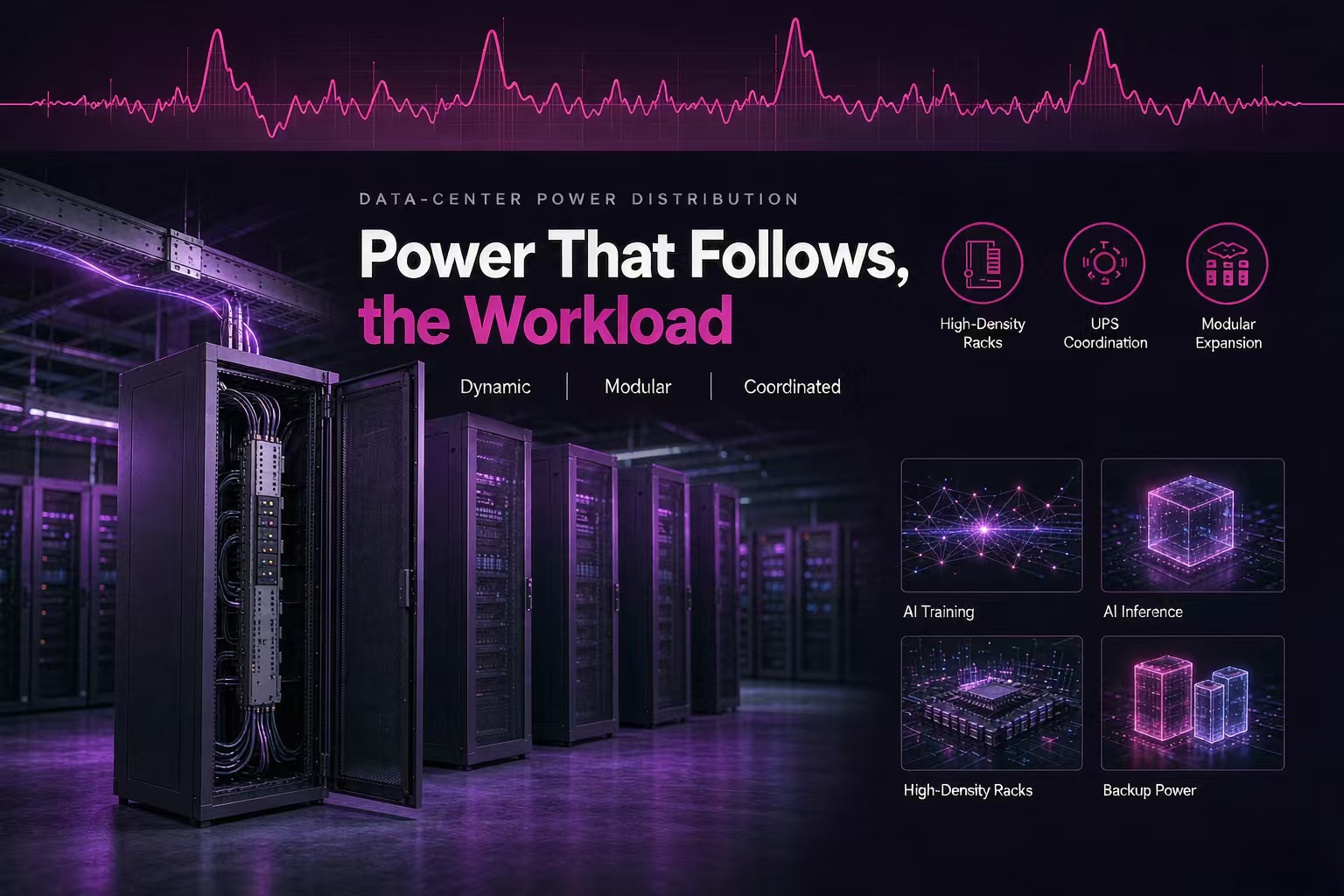
The rapid expansion of data centres, manufacturing facilities, healthcare buildings and transportation infrastructure is creating more demanding conditions for low-voltage power distribution. The International Energy Agency reports that data centres consumed approximately 415 TWh of electricity in 2024, representing about 1.5% of global electricity consumption, and this figure is projected to reach around 945 TWh by 2030. Such growth is increasing attention on distribution architectures that can support high availability, maintenance flexibility and phased capacity expansion.
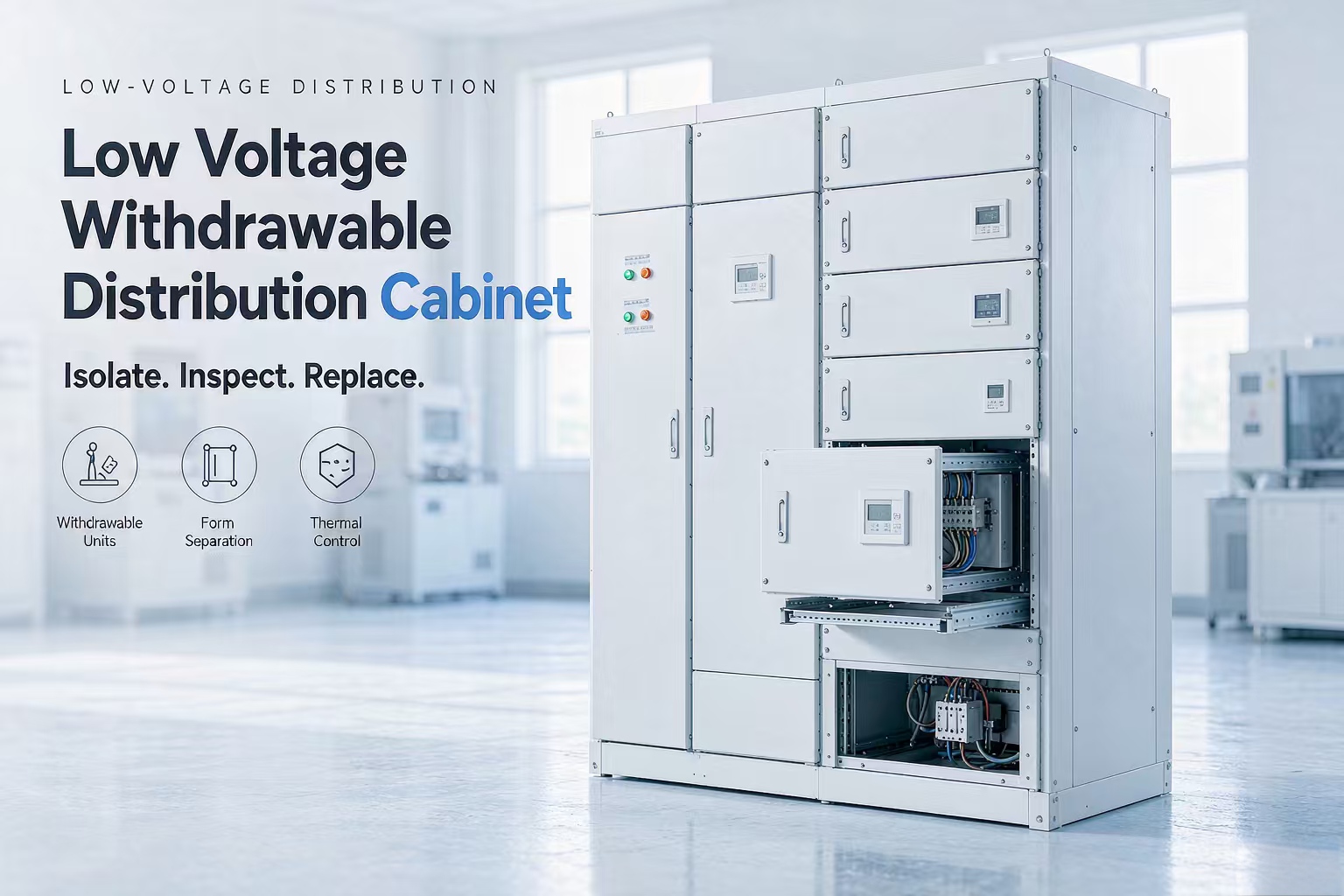
In this environment, the Low Voltage Withdrawable Distribution Cabinet is being considered for facilities where individual functional units may need to be isolated, inspected, replaced or reconfigured without affecting the entire distribution assembly.
Maintainability Becomes a Practical Selection Factor
Withdrawable construction can separate functional units from the main busbar system through defined operating positions, allowing maintenance teams to work with a more structured isolation procedure. This can be useful in hospitals, production lines, data centres and large commercial facilities where extended shutdowns may have operational consequences.
IEC 61439-2:2020 specifically addresses power switchgear and controlgear assemblies and includes clarified requirements for internal separation. For assemblies using a separation form higher than Form 1, live parts remaining energized when a functional unit is switched off must be protected to at least IPXXB. The standard also includes additional temperature-rise verification requirements for assemblies using natural or active cooling.
Short-Circuit and Thermal Performance Remain Critical
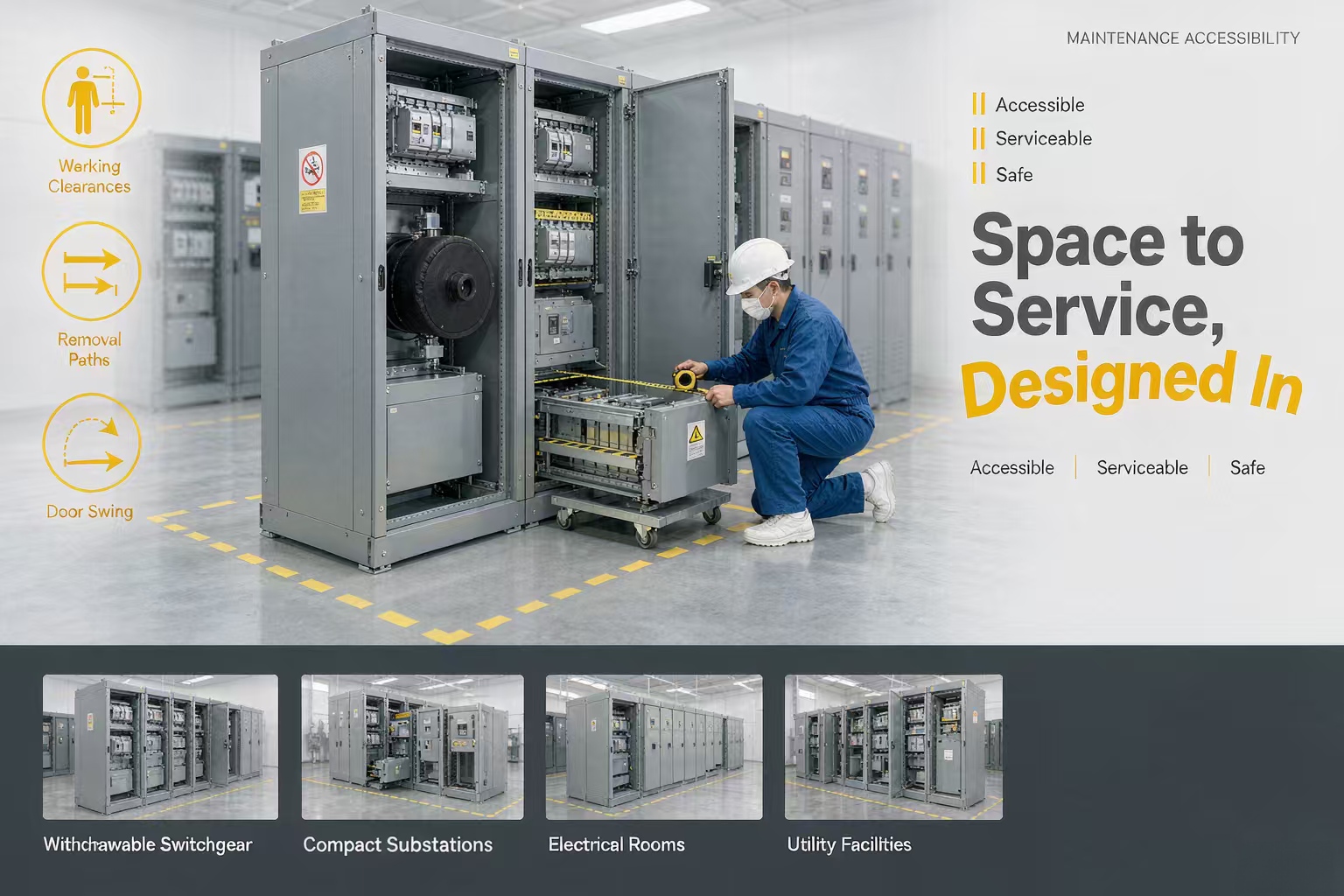
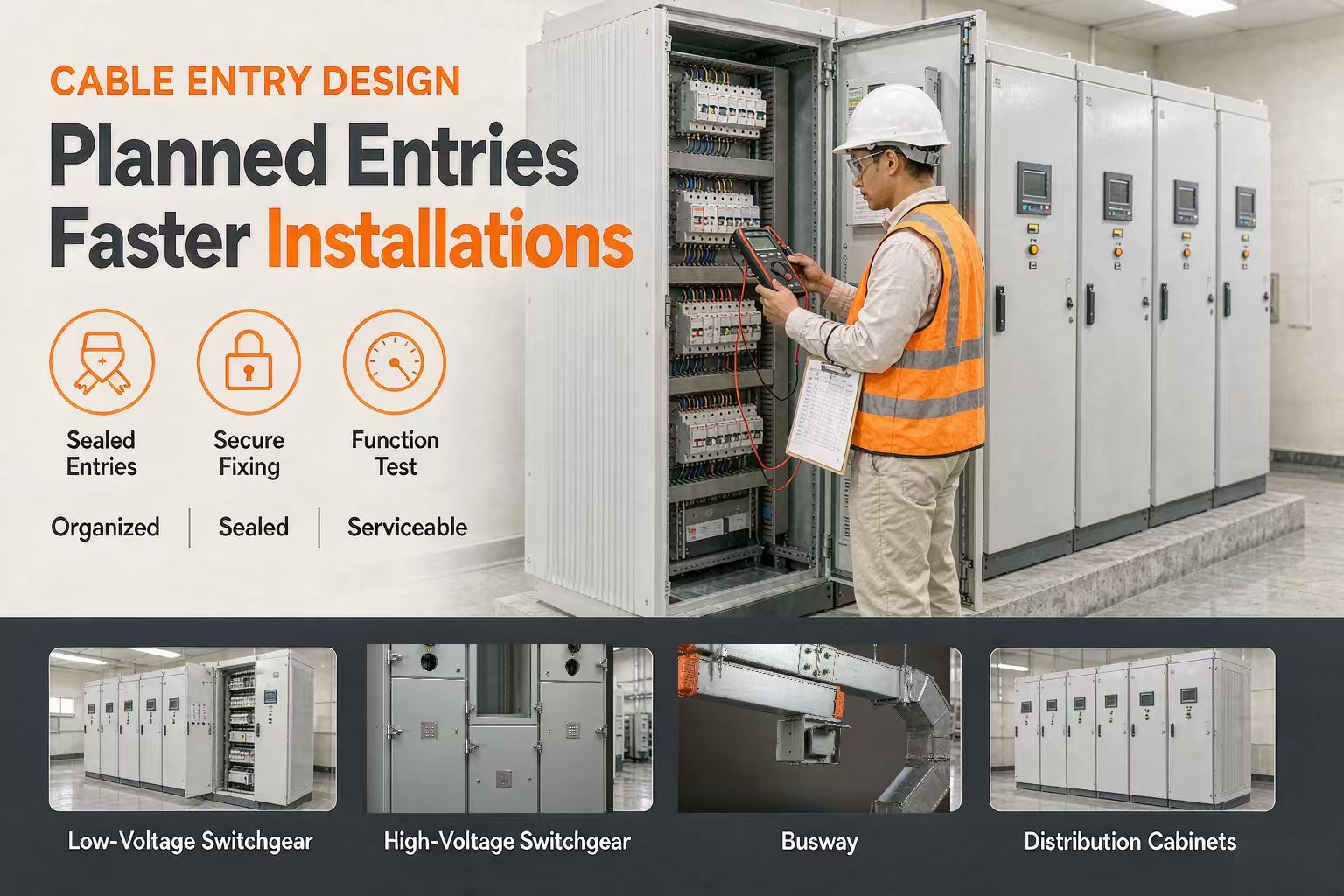
As connected loads increase, designers need to evaluate short-circuit withstand capability, temperature rise, protection coordination and mechanical endurance together. The cabinet arrangement should also allow sufficient space for cable connections, heat dissipation and safe servicing.
The latest certification activity reflects the continued emphasis on verification. In September 2026, the IEC published IECEE TRF 61439-2D:2026, a test-report form specifically applicable to IEC 61439-2:2020 power switchgear and controlgear assemblies.
Application Conditions Determine the Appropriate Configuration
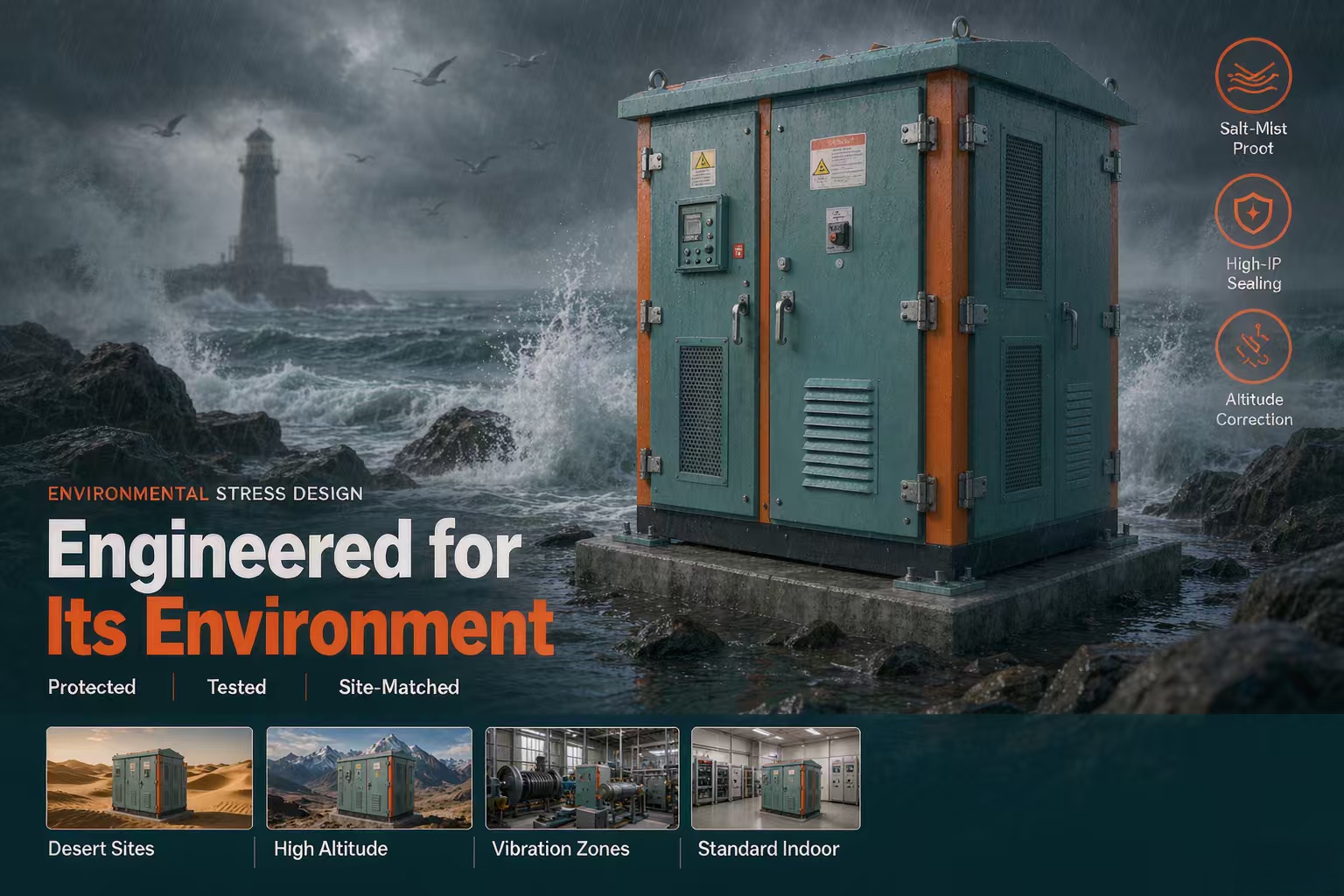
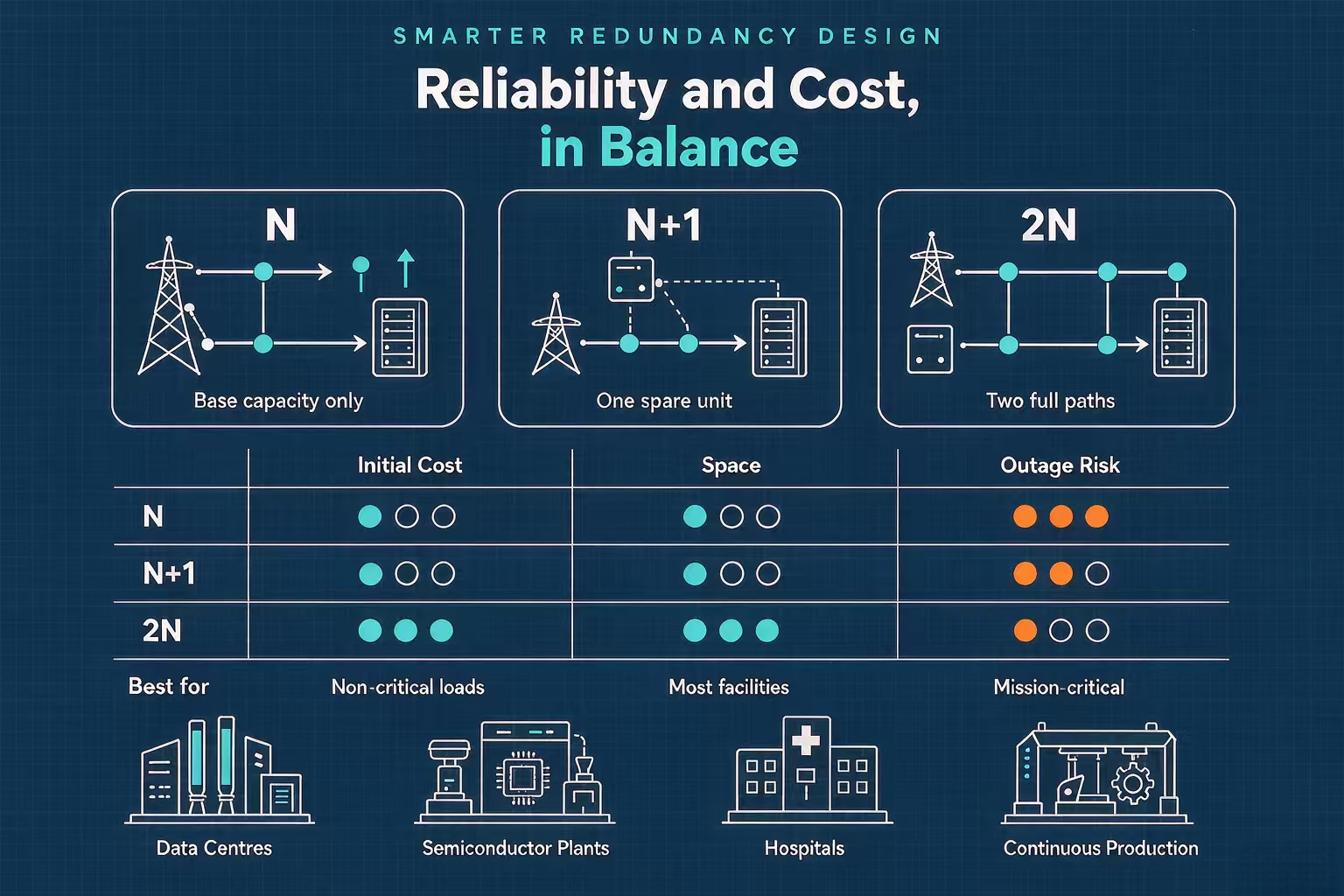
The technology is not limited to one sector. Industrial plants may prioritize rapid replacement of motor feeders and process loads, while data centres may emphasize availability and maintenance planning. Commercial and infrastructure facilities can place greater weight on compartmentalization, accessibility and future expansion.
The development of the Low Voltage Withdrawable Distribution Cabinet therefore reflects a broader shift toward serviceable and configurable electrical infrastructure. Selection increasingly needs to consider load characteristics, fault levels, environmental conditions, maintenance procedures and future capacity rather than cabinet size or rated current alone