Withdrawable Switchgear Cabinet Advances Modern Power Distribution Flexibility
Modern Facilities Demand More Adaptable Distribution Systems
Industrial automation, commercial infrastructure and critical facilities are placing greater demands on electrical distribution equipment. According to the International Energy Agency, global electricity demand increased by approximately 3% in 2025, exceeding the average annual growth rate of 2.8% recorded between 2014 and 2024. Buildings accounted for nearly 45% of the annual increase, reflecting changing consumption patterns and expanding electrical applications. These developments are encouraging facility operators to consider equipment that simplifies maintenance and adapts to evolving load requirements. (IEA, Global Energy Review 2026)
Withdrawable Design Simplifies Equipment Maintenance
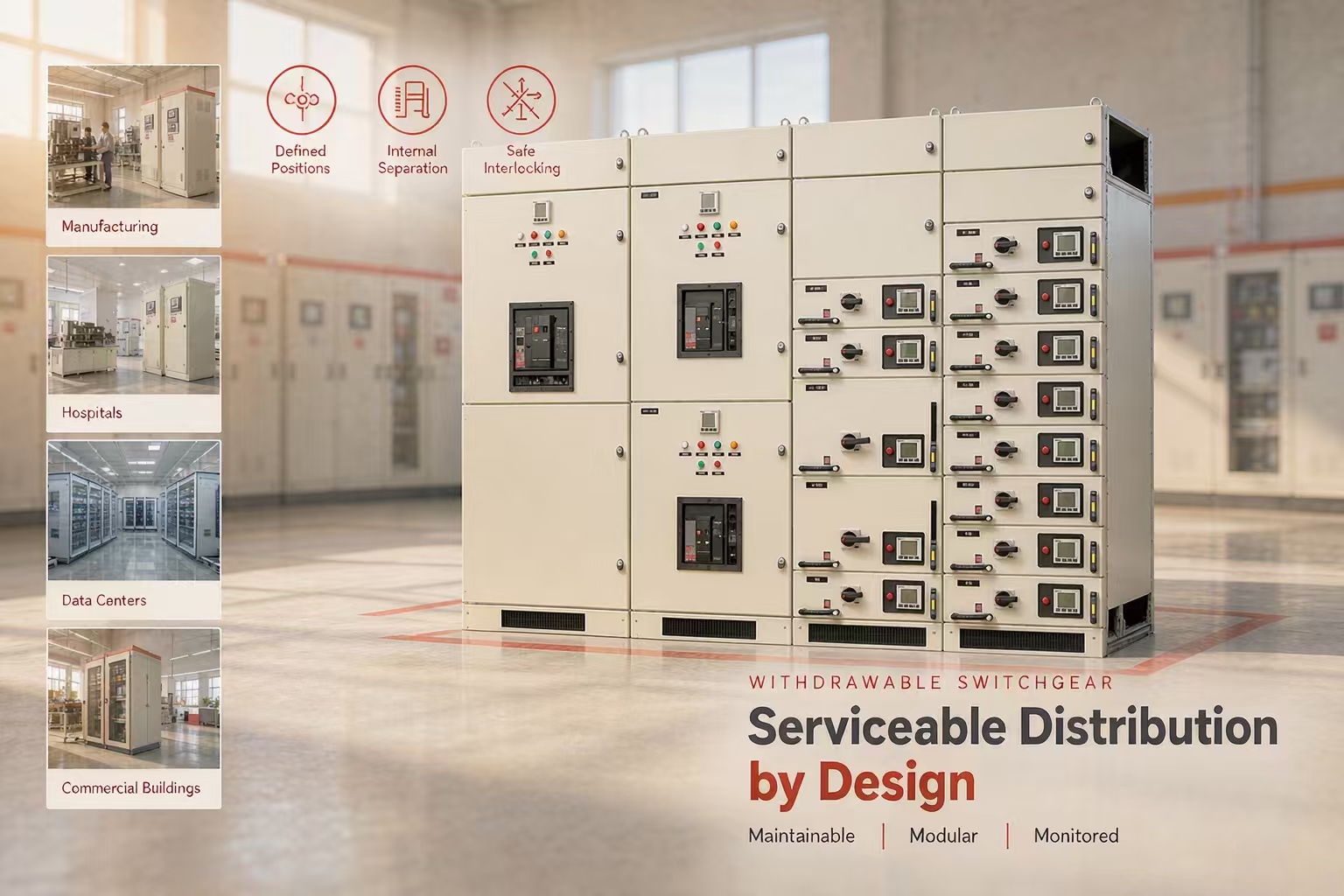
The Withdrawable Switchgear Cabinet is designed around functional units that can be moved between defined operating, test and disconnected positions, depending on the equipment configuration. This arrangement allows designated components to be inspected, tested or replaced through structured procedures, making it particularly relevant to manufacturing plants, transportation infrastructure, hospitals and large commercial facilities.
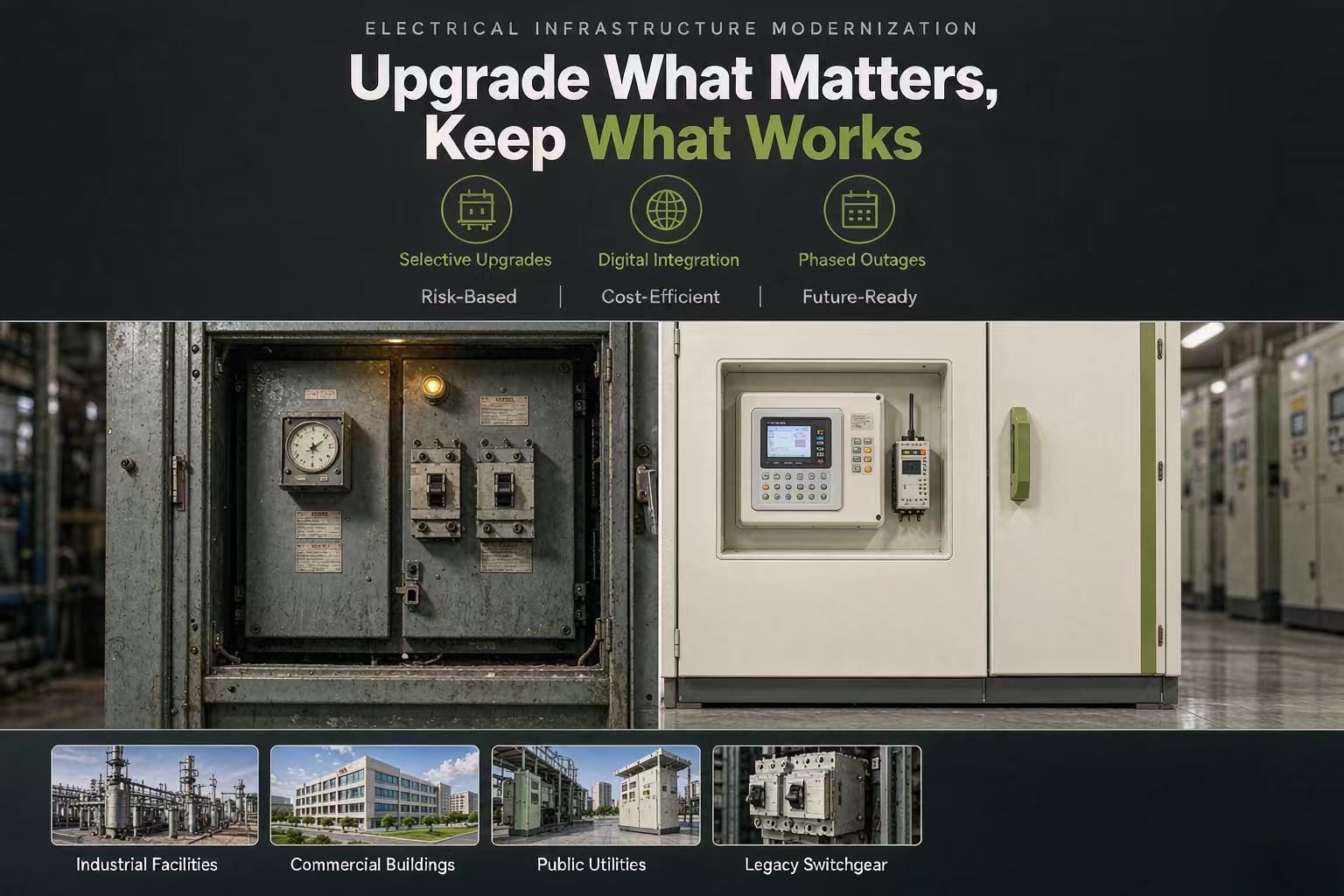
Compared with fixed arrangements, withdrawable designs can simplify certain maintenance tasks and support phased equipment replacement. However, their operational benefits depend on the overall system design, isolation procedures and whether maintenance activities require an upstream supply interruption.
Electrical Performance Remains a Critical Requirement
Practical selection involves more than choosing a withdrawable mechanism. Rated current, short-circuit withstand capability, temperature-rise performance, insulation coordination and mechanical endurance must be assessed together. IEC 61439-2:2020 specifies requirements for power switchgear and controlgear assemblies rated up to 1,000 V AC or 1,500 V DC, including verification of assembly performance under defined conditions. (IEC 61439-2)
Internal separation, protective barriers and mechanical interlocking are also important considerations. These features need to be assessed against the installation's operational risks, maintenance practices and electrical design requirements rather than assumed from the cabinet type alone.
Applications Drive Configuration and Space Planning
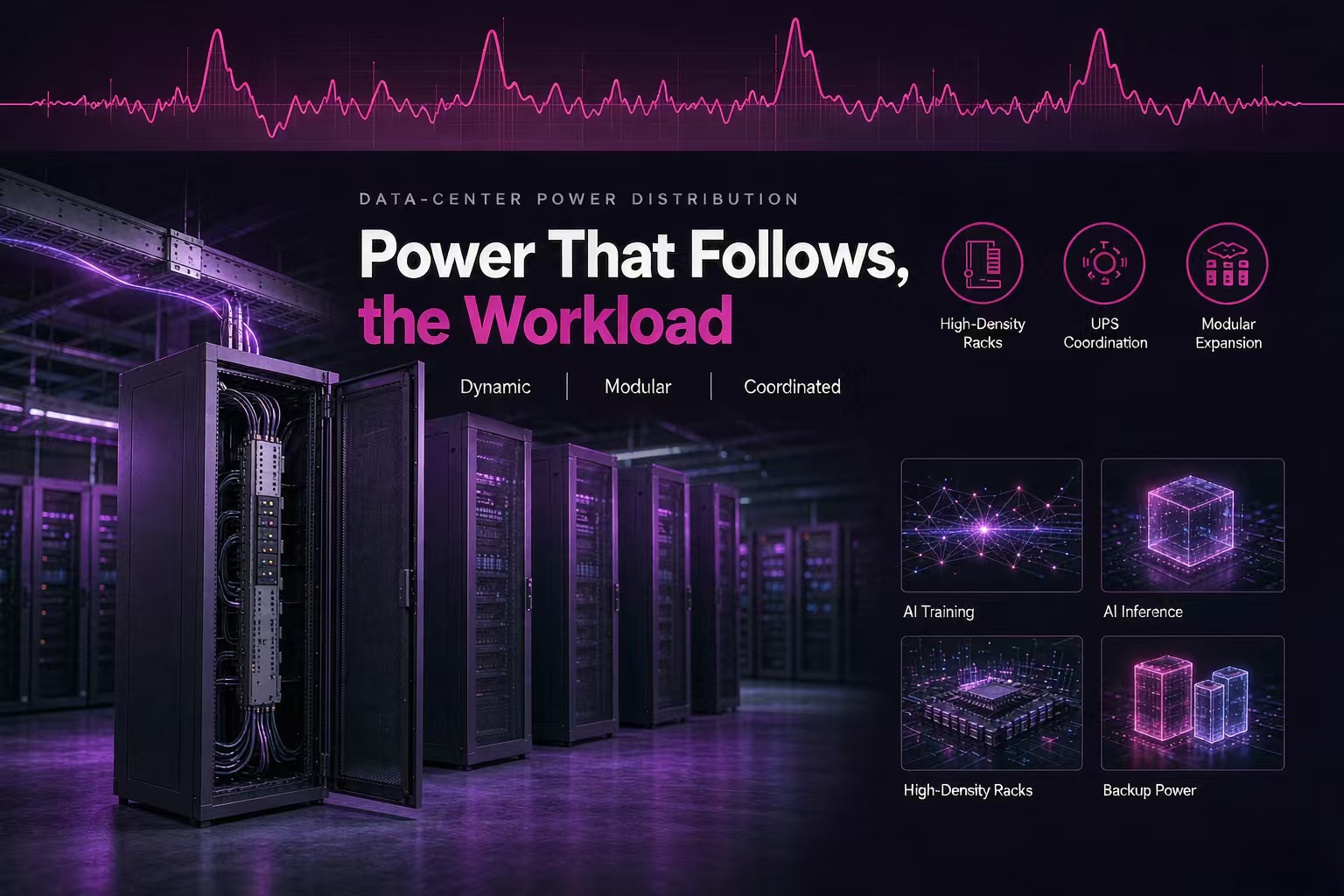
Manufacturing facilities may prioritize convenient access to motor-control and production-distribution circuits. Hospitals and data-processing facilities can place greater emphasis on maintenance planning and continuity of critical loads, while commercial buildings may require flexible circuit arrangements as tenants and electrical demand change.
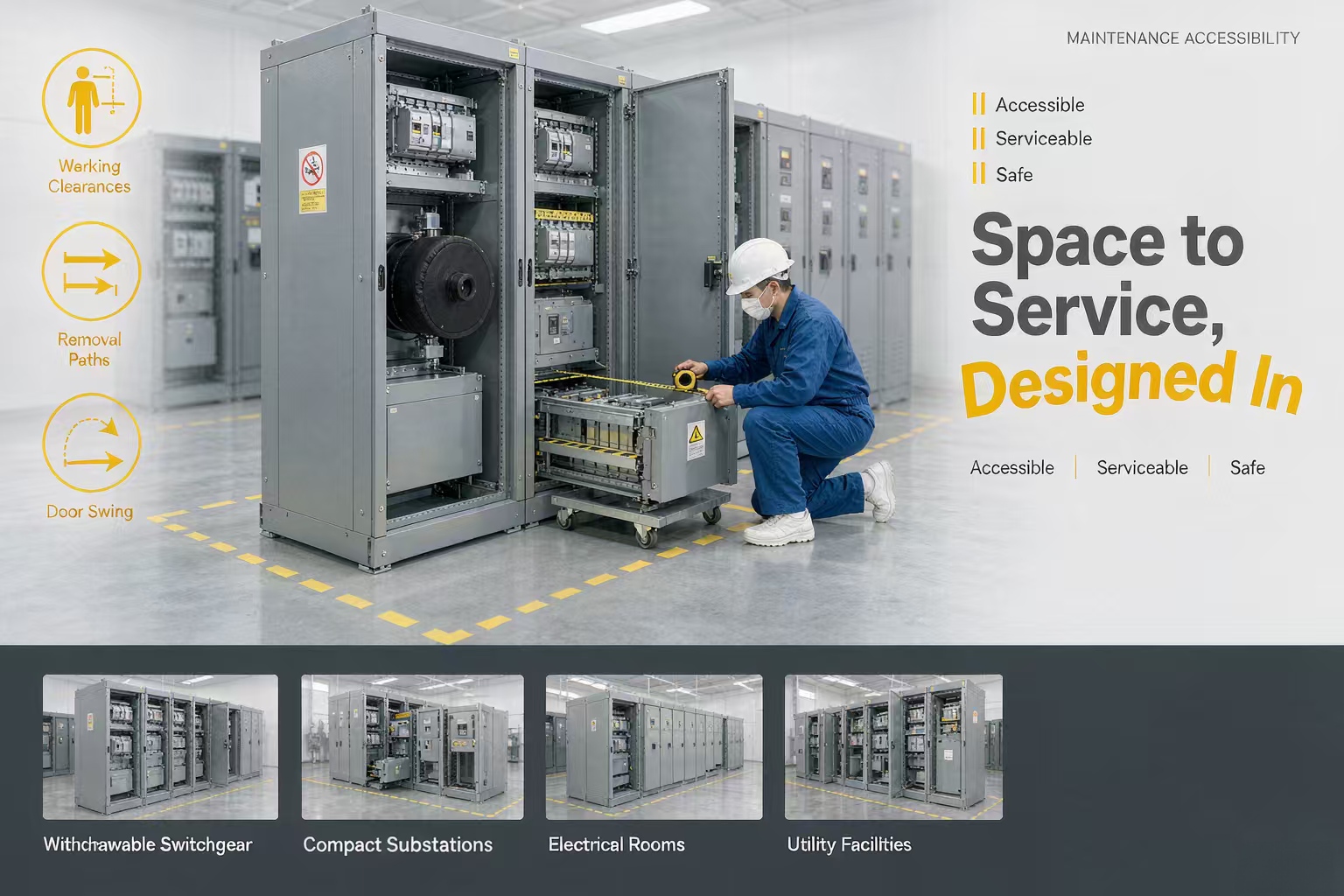
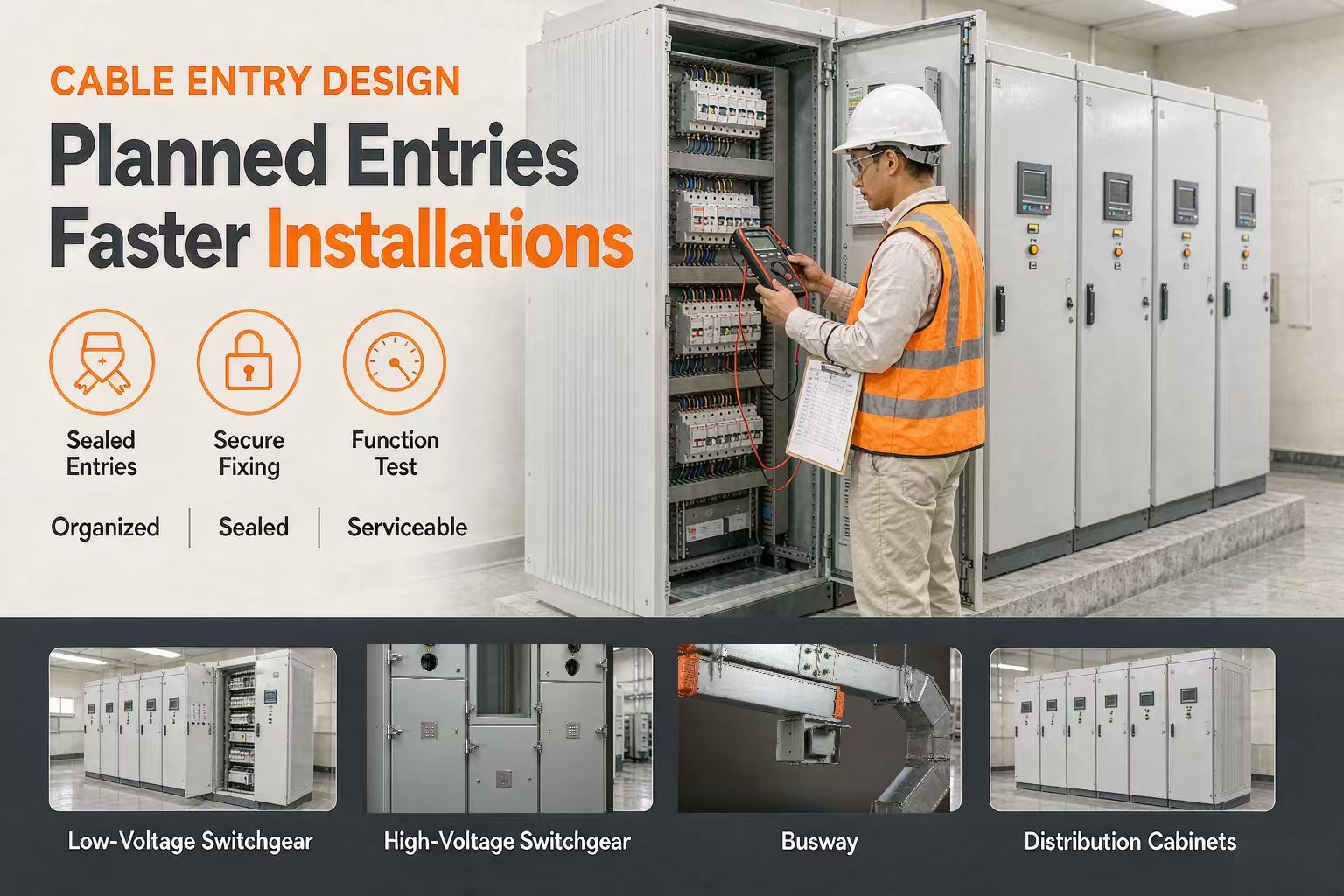
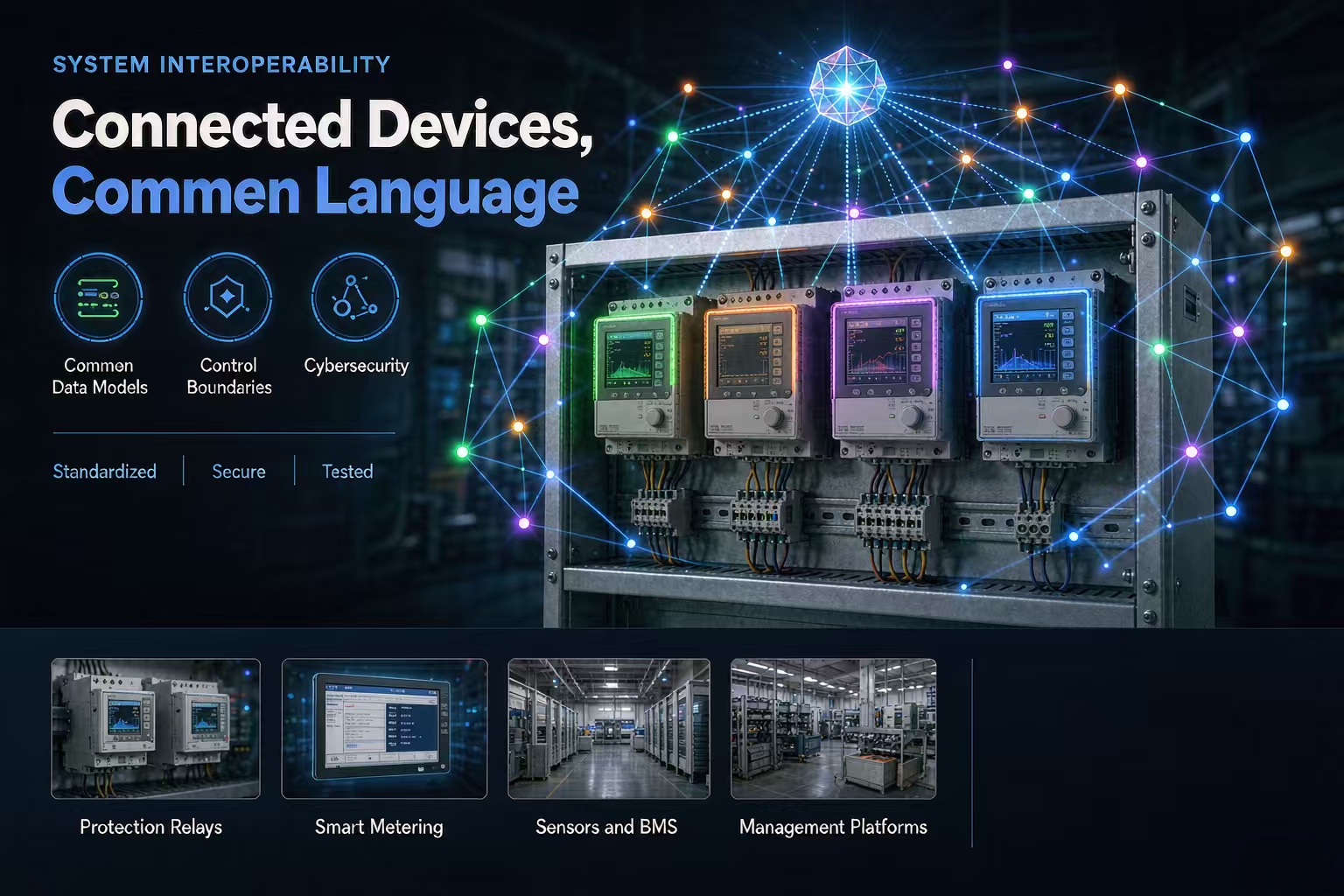
Cabinet dimensions, cable-entry locations, heat dissipation, operating clearances and future expansion capacity should therefore be evaluated during project planning. Digital monitoring can provide additional information on current, temperature and equipment status, helping maintenance teams identify abnormal conditions.
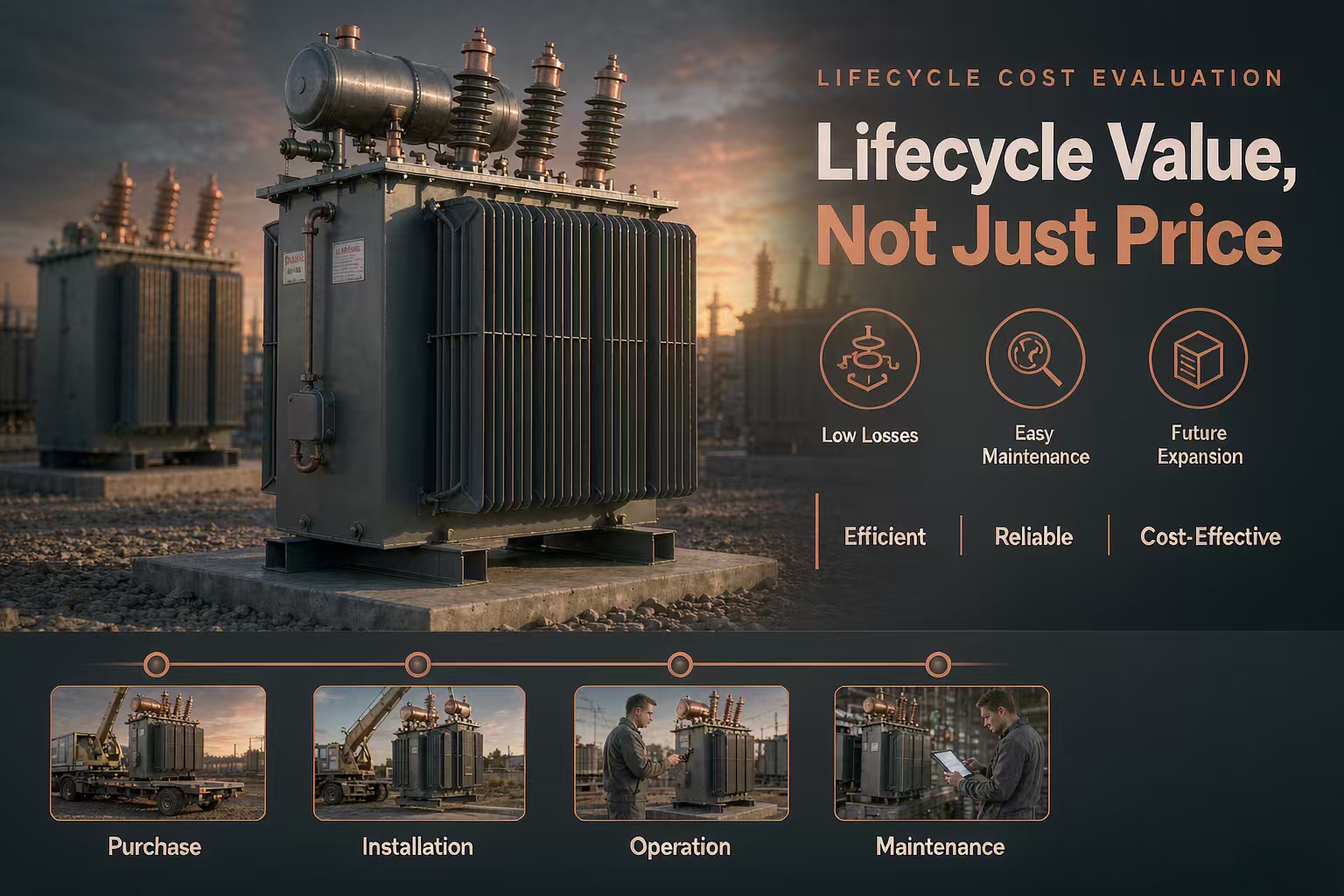
Development Moves Toward Lifecycle-Based Selection
The evolution of the Withdrawable Switchgear Cabinet reflects a broader shift toward distribution equipment that is easier to service, reconfigure and manage throughout its operating life. Future selection will increasingly combine electrical ratings with maintainability, monitoring functions, installation constraints and lifecycle cost. Matching the configuration to the actual facility remains essential to achieving safe, reliable and efficient distribution.